
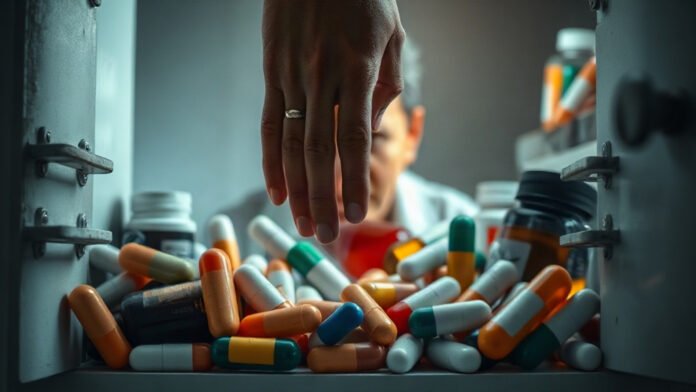
*What you need to know if you’re taking herbal supplements right now*
KEY STATISTICS
- The FDA recently identified 12 herbal supplements with serious safety concerns requiring immediate recall.
- Supplement contamination and mislabeling remain among the top reasons for FDA enforcement actions each year.
- Adults over 35 are the largest consumer demographic for herbal and dietary supplements in the United States.
You take your supplements thinking they’re helping you stay healthy—but what if one of them just got pulled from shelves? The FDA recently recalled 12 herbal supplements due to safety concerns, and if you’re in your late 30s or 40s, you’re likely in the prime age group using them. This isn’t about panic; it’s about knowing which bottles might be in your medicine cabinet right now and what to do about it.
How Supplement Safety Works
The FDA recalls supplements when they discover they contain undeclared ingredients, harmful contaminants, or make false health claims. Unlike prescription drugs, supplements don’t need pre-market FDA approval, which means contamination or mislabeling sometimes only surfaces after products hit store shelves and consumers report problems.
- Supplements are regulated as foods, not drugs—meaning manufacturers aren’t required to prove safety before selling them.
- Common recall reasons include hidden prescription ingredients, heavy metal contamination, or bacteria like E. coli.
- The FDA acts on recalls when serious health risks emerge or multiple adverse events are reported.
- Third-party testing helps, but the supplement industry is largely self-regulated.
Why Your Age Matters Most
People in their late 30s and 40s are often at peak herbal supplement use—managing stress, joint pain, sleep, or hormone concerns that become more common in this decade. This age group trusts supplements as a preventive measure, which means exposure to recalled products is higher than in younger demographics.
- Mid-life concerns like joint health, sleep quality, and stress drive higher supplement usage in this age group.
- Prescription interactions become more relevant in your 40s if you’re already taking blood pressure or cholesterol medications.
- This demographic is more likely to buy supplements without checking for recalls or verifying manufacturers.
- Multiple supplements taken together increase the risk of cumulative exposure to any single contaminated product.
Warning Signs to Watch For
- Unexpected nausea, dizziness, or headache within hours of taking a supplement you’ve used before.
- Unexplained rash or allergic reaction after starting a new bottle from a different batch or manufacturer.
- Heart palpitations or chest tightness—especially with supplements claiming energy or weight-loss benefits.
- Sudden changes in blood pressure or blood sugar readings if you’re monitoring them regularly.
- Severe digestive upset or constipation that doesn’t match your normal supplement routine.
- Any recall notice from the FDA or manufacturer of a product currently in your home.
How to Stay Safe Now
The safest approach to supplements isn’t avoiding them entirely—it’s being intentional about which ones you buy and from whom. Check your cabinet against current recalls, verify manufacturer credibility, and inform your doctor about everything you’re taking.
- Visit the FDA website weekly to check for new recalls on products you currently use.
- Buy supplements from established retailers with quality control standards, not just any online marketplace.
- Look for third-party certification (USP, NSF, or ConsumerLab) on labels—it signals independent verification.
- Keep a written list of every supplement you take and share it with your doctor at every visit.
Action Plan Checklist
- Go to fda.gov/consumers/recalls right now and cross-reference any supplements in your medicine cabinet.
- Take a photo of every supplement bottle label and email it to your primary care doctor for review.
- Check the manufacturer name and lot number on each bottle; cross-reference with FDA recalls by product name AND maker.
- If you find a recalled product, stop taking it immediately and check the recall notice for next steps (whether to discard or return).
- Set a phone reminder to check FDA recalls monthly—make it part of your routine health maintenance.
- If you experience any unusual symptoms after taking a supplement from this recall list, contact Poison Control (1-800-222-1222) or your doctor.
The Prescription Drug Interaction Risk
Many people in their 40s don’t realize that supplement ingredients can interact with prescription medications or medical conditions they’re already managing. A product that seemed harmless when you bought it might become risky if you’ve started blood pressure medication or have developed a condition since then.
- Herbal supplements can reduce the effectiveness of blood thinners, cholesterol drugs, or blood pressure medications.
- Some supplements amplify the effects of pain relievers or anti-anxiety medications, creating overdose risk.
- Hidden prescription-strength ingredients in recalled products pose the greatest danger to people already on medications.
- Your doctor may have advised against a supplement for you specifically—but only if you told them all you were taking.
Bottom Line
The 12 recalled herbal supplements serve as a reminder that taking supplements doesn’t mean you can skip quality checks. Your mid-40s are when supplement use peaks, but so does your medication load and underlying health complexity. Check the FDA recall list today, share your supplement list with your doctor, and commit to monthly verification.
You’re not being paranoid—you’re being proactive about the products you trust with your body.
HealthyInsight — always consult a qualified healthcare provider before making changes to your health routine.
Sources
- FDA Health Recall Updates — Google News — Health Recalls
- Dietary Supplements Overview — FDA
- Supplement Use and Safety in Adults — NIH

