
For many adults over 40, the concept of cholesterol often conjures worry and confusion. What was once a term reserved for medical offices has become a staple in casual conversations about health. But what does cholesterol truly mean for your well-being, and how can you manage it naturally? It’s a question worth exploring deeply, especially as research advances continue to shed light on nutrition and lifestyle impacts.
If you’ve recently found yourself concerned about cholesterol readings, you’re not alone. Discussions about “good” and “bad” cholesterol levels might seem overwhelming, yet grasping their importance could lead to empowering lifestyle choices. It’s not about labeling foods or habits as solely good or bad but rather contemplating the balance that contributes to overall health.
Let’s delve into the multifaceted approach to naturally managing cholesterol levels, touching on both the physiological and emotional aspects. This is about more than diet’it’s about living holistically and mindfully past the age of 40, where each choice can ripple into a cascade of benefits.
Understanding Cholesterol: Beyond the Basics
Before tackling strategies, it’s crucial to understand what cholesterol is. Cholesterol is a waxy substance vital for building cells and producing certain hormones. However, it’s when cholesterol levels become imbalanced that issues may arise. The body transports cholesterol through two types of lipoproteins: LDL (low-density lipoprotein) and HDL (high-density lipoprotein).
LDL Cholesterol: Often labeled as “bad” cholesterol, high levels are linked with plaque build-up in artery walls which may lead to cardiovascular concerns.
HDL Cholesterol: Known as “good” cholesterol, HDL helps transport LDL away from the arteries, back to the liver for processing and removal.
Balancing these types of cholesterol is essential for maintaining cardiovascular health, especially as the body’s metabolic processes naturally slow with age.
The Role of Diet: Nourishing Over Numbers
While certain foods have been linked to high cholesterol, research suggests that dietary patterns may play a more significant role than individual food choices. A diet aimed at balancing cholesterol naturally focuses on whole, unprocessed foods.
Fruits and Vegetables: High in fiber, which can help reduce LDL cholesterol levels.
Whole Grains: Brown rice and oats may support healthier levels by lowering LDL.
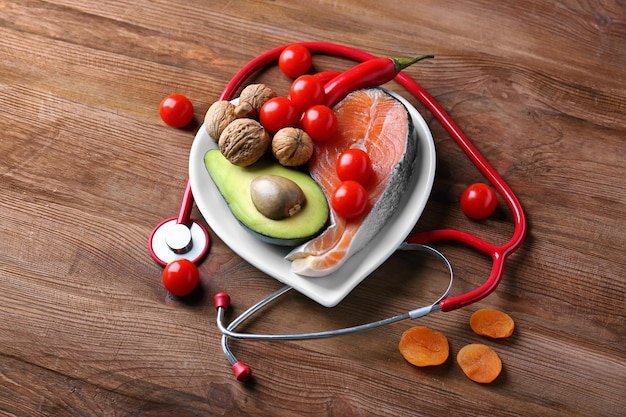
Healthy Fats: Incorporate sources like olive oil, nuts, and avocados which may boost HDL levels.
Lean Proteins: Include fish high in omega-3 fatty acids, such as salmon.
Remember, it’s not about adding or eliminating but rebalancing what you’re already consuming to align with these natural goals.
Increasing Physical Activity: More Than Just Movement
Exercise is a powerful tool in the natural management of cholesterol levels. It doesn’t require marathon running; even moderate, regular activities can make a significant impact.
Aerobic Exercise: Engaging in activities like walking, cycling, or swimming can help lower LDL and raise HDL cholesterol.
Strength Training: Building muscle through weight lifting or bodyweight exercises can also be beneficial.
Daily Consistency: Aim to be active most days of the week, as consistency often yields the best results.
Physical activity also contributes to weight management, which is associated with healthier cholesterol balance.
Emotional and Mental Health: The Heart-Brain Connection
It’s easy to overlook the link between mental well-being and physical health. Stress and emotional health can significantly influence cholesterol levels due to the body’s physiological response to stress, which can encourage unhealthy habits like poor diet choices or neglecting exercise.
Finding ways to manage stress positively is crucial:
Engage in mindfulness practices like meditation or yoga.
Create a supportive social network for emotional sharing.
Dedicate time to hobbies or activities that promote relaxation.
The incredible thing about managing stress is that it often enhances overall life quality, making this a rewarding component of natural cholesterol management.
Simple Daily Takeaways
Incorporate a variety of whole foods into your diet for balanced cholesterol.
Integrate physical activity into your daily routine in enjoyable forms.
Embrace stress management techniques for holistic health benefits.
Ultimately, managing cholesterol naturally intertwines dietary, physical, and emotional strategies into your daily life. With mindful attention, you can foster a balanced approach that benefits your heart and mind.