
Engaging Intro
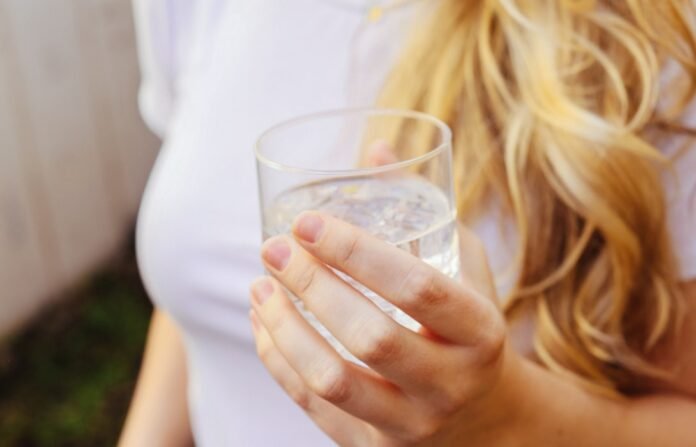
In our quest for eternal vitality, we often overlook an elemental companion that has been silently supporting us since time immemorial: water. While its role in quenching our thirst is universally acknowledged, the profound influence it has on aging gracefully remains a lesser-known secret. As we delve into the depths of how water underpins healthy aging, prepare to discover how a simple glass can be your fountain of youth.
Core Science/Mechanism
Water is the cornerstone of every biological process. It constitutes about 60% of our body weight and is crucial in maintaining cellular function, nutrient transport, and waste removal. As we age, our body’s ability to conserve water diminishes, and our sense of thirst becomes less acute, making adequate hydration an essential component of healthy aging.
At a cellular level, water acts as a lubricant and shock absorber, protecting joints and tissues. It also helps regulate body temperature and provides a medium for chemical reactions. Dehydration can lead to diminished cognitive function and increased susceptibility to chronic diseases. Thus, maintaining optimal hydration is pivotal in promoting longevity and preserving mental acuity.
Practical Steps
Incorporating sufficient hydration into your daily routine doesn’t have to be a chore. Here are some practical steps to ensure you’re getting enough water:
- Start Early: Begin your day with a glass of water to kickstart your metabolism.
- Set Reminders: Use apps or alarms to remind you to drink water at regular intervals.
- Flavor It Up: Add slices of lemon or cucumber to make your water more enticing and refreshing.
- Carry a Bottle: Keep a reusable water bottle with you to encourage sipping throughout the day.
- Monitor Intake: Aim for at least eight 8-ounce glasses a day, adjusting for activity level and climate.
Nutritional/Lifestyle Synergy
The benefits of hydration are amplified when combined with a balanced diet rich in water-dense foods such as fruits and vegetables. Foods like watermelon, cucumbers, and strawberries not only contribute to your fluid intake but also provide essential vitamins and antioxidants that combat oxidative stress.
Moreover, integrating physical activity into your lifestyle enhances the body’s utilization of water, promoting efficient nutrient absorption and waste elimination. Exercise increases perspiration, necessitating a higher intake of fluids to compensate for water loss and sustain peak physical performance.
Long-term Wellness Impact
Consistent hydration contributes significantly to long-term health outcomes. It aids in the prevention of kidney stones, urinary tract infections, and constipation. For the skin, adequate hydration helps maintain elasticity, reducing the appearance of fine lines and wrinkles, which are often the first visible signs of aging.
Moreover, staying hydrated supports cardiovascular health. Proper fluid balance helps maintain blood volume, ensuring efficient circulation and reducing the risk of heart disease. By safeguarding these vital functions, water plays a critical role in extending both the quality and longevity of life.
Summary/Conclusion
Water, in its deceptive simplicity, is a vital elixir for a long, healthy life. By understanding and harnessing its power, you can significantly influence how gracefully you age. From cellular protection to cognitive preservation, hydration is a non-negotiable pillar of wellness. As you sip from your next glass, remember, you’re not just quenching thirst; you’re nourishing every cell, every organ, and every aspect of your well-being.
Sources
Harvard Health – Importance of Hydration
National Library of Medicine – Water and Aging
Mayo Clinic – Water: How Much Should You Drink?
CDC – Water and Nutrition