
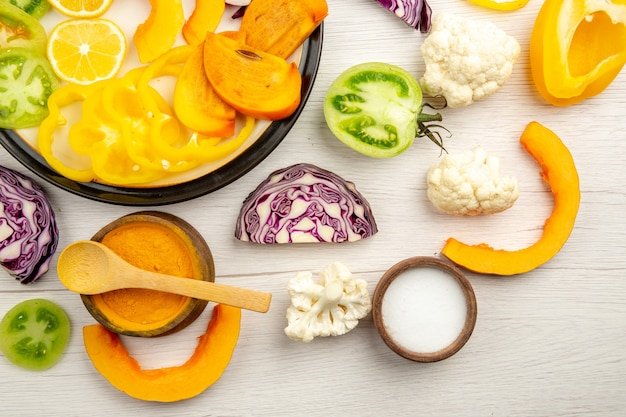
A Vibrant Start
Inflammation, while a natural response of the body to injury or infection, can become a silent saboteur when chronic. It has been linked to a host of maladies, from arthritis to heart disease, and even cancer. Yet, as we navigate the complexities of modern life, our dietary choices can be a powerful tool to tame this molecular firestorm. Dive into the world of anti-inflammatory foods, and discover how they can enhance your vitality and longevity.
The Science of Inflammation
At the heart of inflammation lies the immune system — a sophisticated network designed to protect us. Acute inflammation is the body’s rapid-fire response to injury or infection, marshalling white blood cells to the frontlines. However, chronic inflammation is insidious, often simmering beneath the surface, fueled by stress, poor diet, and environmental toxins. This persistent inflammation involves a complex interplay of cytokines, free radicals, and immune cells that, over time, can lead to tissue damage and disease.
Practical Dietary Steps
Incorporating anti-inflammatory foods into your diet can be both simple and delicious. Here’s how you can start reaping the benefits today:
- Fatty Fish: Rich in omega-3 fatty acids, salmon, mackerel, and sardines can help dampen inflammatory pathways.
- Fruits and Vegetables: Berries, leafy greens, and cruciferous vegetables are loaded with antioxidants and polyphenols.
- Nuts and Seeds: Almonds, walnuts, and flaxseeds are great sources of anti-inflammatory omega-3s.
- Whole Grains: Opt for quinoa, brown rice, and oats, which have been shown to lower inflammation markers.
- Herbs and Spices: Turmeric, ginger, and garlic pack a potent anti-inflammatory punch.
- Extra Virgin Olive Oil: A staple of the Mediterranean diet, it contains oleocanthal, a compound with effects similar to ibuprofen.
Creating Nutritional Harmony
While integrating anti-inflammatory foods is crucial, achieving nutritional synergy involves balancing your overall diet. Pairing these foods with a reduction of inflammatory triggers, such as processed sugars and trans fats, enhances their efficacy. Moreover, staying hydrated, getting adequate sleep, and managing stress are vital components in the orchestration of a lifestyle that keeps inflammation at bay.
Impact on Long-term Wellness
Regular consumption of anti-inflammatory foods is more than a dietary choice; it’s a strategic investment in your long-term wellness. By reducing inflammation, you can lower your risk of chronic diseases, enhance cognitive function, and even improve mood and mental clarity. As the inflammation subsides, the body can repair itself more effectively, leading to improved vitality and a vibrant life.
Conclusion
The journey to a vibrant life through anti-inflammatory foods is both a delectable and scientifically sound path. By understanding the mechanisms of inflammation and making informed dietary choices, you can harness the power of food as medicine. As you fill your plate with nature’s bounty, you’re not merely feeding your body; you’re nurturing a life of wellness and vigor.
Sources
Harvard Health – Foods That Fight Inflammation
NCBI – Anti-Inflammatory Diet: A Review
Medical News Today – The Anti-Inflammatory Diet
Mayo Clinic – Anti-Inflammatory Diet

