
Introduction
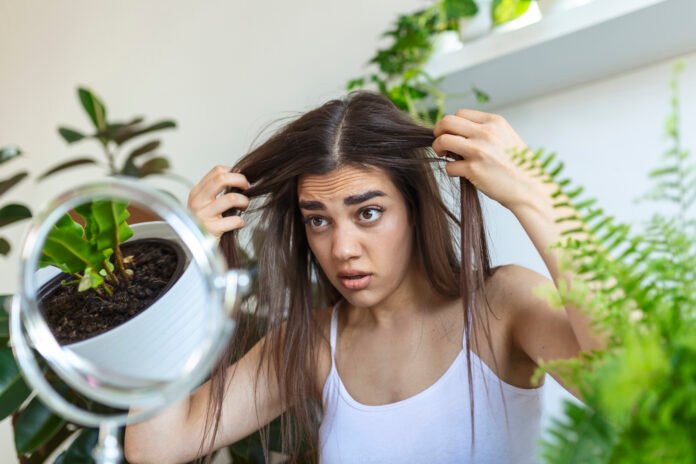
Many people notice that their hair fall increases during specific times of the year, even when their routine hasn’t changed. You may find more hair on your pillow, in the shower drain, or while brushing—especially during seasonal transitions. This can be alarming, but in most cases, it is a natural and temporary process rather than a sign of serious hair damage.
Seasonal hair fall is influenced by environmental changes, internal body cycles, and lifestyle habits. Just like the skin adapts to different weather conditions, hair also responds to shifts in temperature, humidity, and sunlight exposure. Understanding why this happens can help you manage hair fall effectively and maintain healthy, strong hair throughout the year.
Understanding the Topic
Hair growth occurs in cycles that include growth (anagen), transition (catagen), and shedding (telogen) phases. At any given time, a portion of your hair is naturally in the shedding phase.
During certain seasons, especially late summer and early autumn, more hair follicles may enter the shedding phase simultaneously. This results in noticeable hair fall, which can last for a few weeks before stabilizing again.
How the Body/System Works
Hair follicles are influenced by hormones, nutrition, and environmental factors. The scalp regulates hair growth by cycling follicles through different phases.
Changes in daylight exposure can affect hormone levels, particularly those related to growth and rest cycles. This can cause a temporary increase in hair shedding. Additionally, environmental stressors like heat, humidity, or dryness can weaken hair strands, making them more prone to breakage.
Main Causes / Factors
Seasonal Changes
Variations in temperature and humidity can affect scalp health and hair strength.
Sun Exposure
Prolonged exposure to sunlight can damage hair proteins and weaken strands.
Scalp Condition Changes
Weather shifts can lead to dryness or excess oil, both of which affect hair health.
Hormonal Fluctuations
Seasonal changes in hormones can influence hair growth cycles.
Nutritional Variations
Diet changes during different seasons can impact hair health.
Medical Conditions Linked
While seasonal hair fall is usually normal, excessive shedding may be linked to:
- Nutritional deficiencies
- Thyroid disorders
- Hormonal imbalances
- Scalp infections
- Chronic stress
If hair loss is severe or persistent, it should be evaluated.
Lifestyle and Behavioral Factors
Daily habits play a major role in hair health. Overwashing, using harsh hair products, or excessive heat styling can weaken hair.
Inconsistent hair care routines during seasonal changes can also contribute to increased shedding. Stress and poor sleep can further impact hair growth cycles.
Age or Risk Factors
Hair fall patterns can vary with age. Younger individuals may experience temporary seasonal shedding, while older adults may notice more pronounced thinning.
People with pre-existing hair or scalp conditions are more likely to experience noticeable seasonal hair fall.
Other Contributing Factors
Environmental pollution, water quality, and exposure to chemicals can also affect hair strength.
Changes in routine, such as traveling or shifting climates, may further influence hair shedding patterns.
Symptoms to Watch For
- Increased hair shedding during brushing or washing
- Thinning hair volume
- Dry or brittle hair texture
- Itchy or irritated scalp
- Hair breakage
These symptoms are usually temporary but should be monitored.
When to Seek Medical Help
Consult a professional if:
- Hair fall is excessive or prolonged
- There are visible bald patches
- Scalp irritation or infection is present
- Hair loss is accompanied by other health symptoms
Early evaluation can help identify underlying causes.
Prevention Tips
- Maintain a consistent hair care routine
- Protect hair from excessive sun exposure
- Use mild, nourishing hair products
- Stay hydrated and eat a balanced diet
- Avoid excessive heat styling
- Massage the scalp to improve circulation
Treatment Overview
Managing seasonal hair fall involves strengthening hair and maintaining scalp health. Using hydrating shampoos, conditioners, and natural oils can help reduce dryness and breakage.
A nutrient-rich diet that includes vitamins and minerals supports healthy hair growth. In some cases, supplements or treatments may be recommended by healthcare professionals.
Consistency and gentle care are key to minimizing seasonal hair fall.
Conclusion
Seasonal hair fall is a natural process that many people experience, and it is usually temporary. While it can be concerning, understanding the underlying causes can help you manage it effectively.
By maintaining a healthy routine, protecting your hair from environmental damage, and ensuring proper nutrition, you can reduce hair fall and promote stronger growth. Paying attention to your hair’s needs during seasonal changes is essential for maintaining its health and appearance.
With the right care and awareness, you can navigate seasonal hair changes confidently and keep your hair looking its best year-round.