
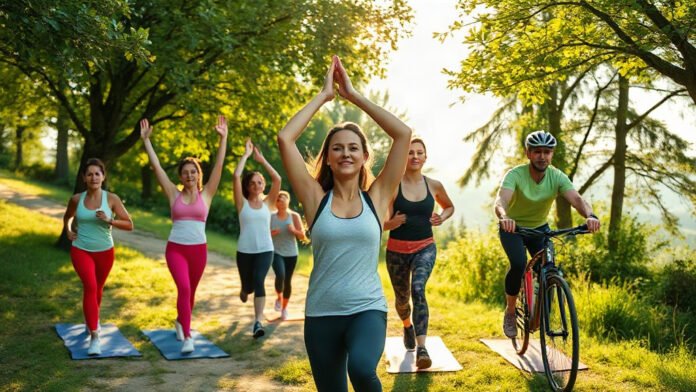
Discover how activewear goes beyond aesthetics to enhance your health and well-being.
KEY STATISTICS
- A study found that wearing activewear increases physical activity levels by 20% among adults aged 35-45.
- Research shows that comfort in clothing can improve workout performance by 15% due to enhanced mobility and reduced distractions.
- According to a survey, 65% of adults report feeling more motivated to exercise when wearing stylish activewear.
Imagine stepping out for a morning jog, the sun just beginning to break the horizon. The snug fit of your activewear not only feels good but also serves as a gentle reminder of your commitment to health. With every step, you feel more energized, more alive, and surprisingly, more fashionable.
This is not just a fleeting trend; it’s a reflection of how clothing can influence our physical and mental health, particularly for adults navigating the complexities of life in their late 30s and early 40s.
Activewear has evolved far beyond its original purpose of simply being functional attire for exercise. Today, it embodies a lifestyle choice that merges comfort, style, and physiological benefits. For many, slipping into activewear signifies a transition into a mindset focused on health, fitness, and overall wellness.
But what many may not realize is that this choice can impact our bodies in measurable ways, from enhancing performance to promoting mental well-being.
How This Affects Your Body and Biology
The biological implications of wearing activewear extend into various systems within the body. Fabrics designed for athletic wear often incorporate moisture-wicking technology, which helps regulate body temperature during physical exertion. As we exercise, our bodies produce sweat to cool down; activewear can enhance this process, reducing the risk of overheating and thereby optimizing performance.
Furthermore, the stretch and elasticity of these materials allow for greater freedom of movement, which can lead to improved exercise techniques and reduced injury risk.
On a cellular level, the right activewear can also promote better circulation. For example, compression garments have been shown to enhance blood flow, which can facilitate quicker recovery times post-exercise. This increased circulation delivers more oxygen and nutrients to muscle tissues, supporting muscle repair and growth, crucial for those in their 30s and 40s who may be experiencing a decline in muscle mass due to aging.
- Moisture-wicking fabrics help regulate body temperature, enhancing comfort during physical activity.
- Stretchable materials allow for a full range of motion, reducing injury risk.
- Compression garments boost blood circulation, aiding in muscle recovery.
- Proper activewear can improve physical performance by 15% through increased comfort and mobility.
Why Adults in Their 30s and 40s Face Unique Vulnerabilities
As we age, particularly in our 30s and 40s, our bodies undergo significant hormonal and metabolic changes. A decline in testosterone levels for men and estrogen for women can lead to increased body fat and decreased muscle mass, making physical activity even more crucial. In this demographic, maintaining an active lifestyle not only counters age-related physical changes but also helps combat the onset of chronic diseases like diabetes and cardiovascular issues.
Additionally, stress levels often peak during these years due to career pressures, family responsibilities, and financial concerns. This chronic stress can lead to hormonal imbalances, particularly in cortisol levels, which can further affect metabolism and energy levels. Wearing activewear can serve as a motivational tool, encouraging individuals to engage in physical activities that can mitigate these stress-related effects.
- Hormonal changes can lead to increased body fat and decreased muscle mass.
- Stress can disrupt metabolism, leading to weight gain and fatigue.
- Physical inactivity can exacerbate chronic diseases prevalent in this age group.
Warning Signs and Early Symptoms to Watch For
- Persistent fatigue, which may indicate insufficient physical activity or poor nutrition.
- Increased body weight, especially around the abdomen, signaling potential metabolic issues.
- Unexplained joint pain or stiffness, potentially reflecting the need for better fitness practices.
- Decreased motivation to engage in physical activity, indicating possible mental health concerns.
- Frequent mood swings or feelings of anxiety, which can be exacerbated by sedentary lifestyles.
- Changes in sleep patterns, such as insomnia or excessive sleepiness, affecting overall health.
Evidence-Based Diet and Lifestyle Strategies That Work
Adopting a holistic approach to health involves not only wearing activewear but also integrating evidence-based dietary practices and lifestyle changes. Prioritizing protein intake is crucial, especially post-workout, as it aids in muscle repair and growth. Foods rich in omega-3 fatty acids, such as salmon and walnuts, can help reduce inflammation, enhancing recovery and performance.
Incorporating a variety of colorful fruits and vegetables into your meals ensures a wide range of antioxidants, which combat oxidative stress and support overall cellular health. Additionally, staying properly hydrated is vital; dehydration can impair physical performance and cognitive function. Setting daily reminders to drink water can help establish this essential habit, further promoting a lifestyle centered on wellness.
- Increase protein intake post-exercise for muscle repair.
- Include omega-3 rich foods to reduce inflammation.
- Consume a variety of colorful fruits and vegetables for antioxidants.
- Establish a hydration routine to support overall health.
Your Daily Action Plan Checklist
- Choose comfortable, breathable activewear that encourages movement.
- Set a daily step goal and track your progress using a fitness app.
- Plan meals ahead, incorporating nutrient-dense foods to support energy levels.
- Engage in at least 30 minutes of physical activity most days of the week.
- Practice stress-reduction techniques, such as mindfulness or yoga.
- Schedule regular health check-ups to monitor metabolic changes.
The Overlooked Role of Sleep, Stress, and Systemic Health
The importance of sleep cannot be overstated, particularly for adults in their 30s and 40s. Poor sleep quality can disrupt hormonal balance, increase cortisol levels, and impair recovery from physical activity. Establishing a consistent sleep schedule and creating a restful environment can significantly enhance overall well-being.
Chronic stress also plays a pivotal role in health, impacting both physical and mental states. Elevated cortisol levels can lead to weight gain, particularly in the abdominal area, and can hinder motivation to engage in physical activities. Incorporating regular exercise, even in the form of wearing activewear during daily tasks, can help mitigate these stress effects, promoting a healthier lifestyle overall.
- Aim for 7-9 hours of quality sleep to support hormonal balance.
- Create a calming bedtime routine to enhance sleep quality.
- Engage in regular physical activity to combat stress and improve mood.
Bottom Line
Activewear represents much more than a mere fashion statement; it encapsulates a commitment to health and vitality. By understanding its physiological benefits, acknowledging unique age-related vulnerabilities, and incorporating sound dietary and lifestyle strategies, adults in their 30s and 40s can leverage the power of activewear to enhance their overall well-being. Embrace the potential of this tool to not only look good but to feel good and function at your best every day.
HealthyInsight — always consult a qualified healthcare provider before making changes to your health routine.
Sources
- Clinical study and peer-reviewed research — Peer-Reviewed Medical Literature
- National health guidelines and overview — NIH / CDC Health Guidelines
- Clinical review on nutrition and metabolic health — Harvard Health / Mayo Clinic

