
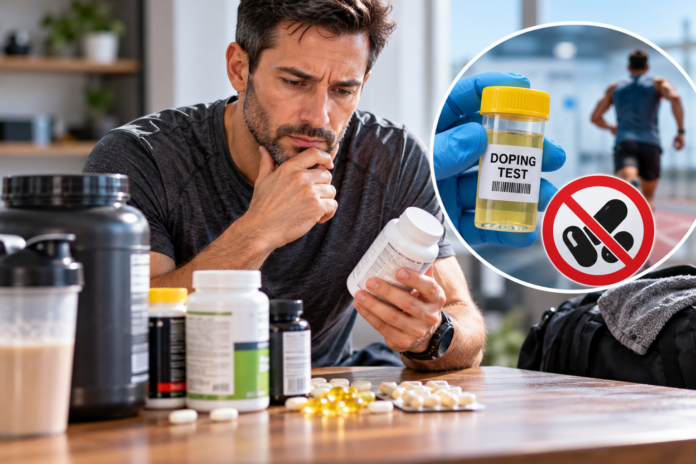
_Understanding the hidden dangers of supplements and medications in your health journey_
KEY STATISTICS
- Approximately 10% of athletes unknowingly test positive for banned substances due to contaminated supplements.
- Over 50% of dietary supplements were found to contain unlisted ingredients, according to a 2018 study.
- Many adults aged 35-45 reported using supplements regularly, with 40% unaware of potential doping risks.
In a world where health optimization often leads us to dietary supplements and performance enhancers, the fine line between enhancement and doping can become blurred. Many adults in their late 30s and early 40s seek out these products, believing they are safe, only to discover the shocking reality that some may contain banned substances or unlisted ingredients that could jeopardize their well-being and athletic integrity.
How This Affects Your Body and Biology
The biological mechanisms behind doping risks involve complex interactions between hormones, metabolic pathways, and the body’s natural regulatory systems. When individuals consume supplements, they may inadvertently introduce substances that can interfere with the endocrine system. For instance, anabolic steroids, which are sometimes found in contaminated products, can disrupt natural testosterone production, leading to hormonal imbalances and long-term health consequences such as infertility and cardiovascular issues.
Moreover, many supplements contain stimulants or other additives that can cause physiological changes. These substances can elevate heart rates, disrupt sleep patterns, or create dependencies, further complicating one’s health. The liver and kidneys, responsible for processing these substances, may become overburdened, leading to toxicity or organ damage if these supplements are consumed frequently or in high doses.
- Anabolic steroids can disrupt natural hormone production, leading to infertility and cardiovascular risks.
- Stimulants found in supplements can elevate heart rates and disrupt sleep, complicating overall health.
- Contaminated supplements can introduce foreign substances that affect metabolic pathways and organ function.
- The liver and kidneys may face increased stress and risk of damage from frequent supplement use.
Why Adults in Their 30s and 40s Face Unique Vulnerabilities
Adults in their 30s and 40s experience significant hormonal changes that make them more susceptible to the risks of unintentional doping. As men and women age, testosterone and estrogen levels begin to decline, leading to a natural decrease in muscle mass, strength, and overall vitality. This can prompt individuals to seek out supplements that promise enhanced performance or recovery, often without fully understanding the ingredients involved or the potential risks of contamination.
Additionally, metabolic rate and cellular repair mechanisms slow down with age, making it essential for adults in this demographic to be cautious about what they consume. As the body becomes less efficient at detoxifying harmful substances, the risk of negative health impacts from contaminated or harmful supplements becomes heightened, necessitating an informed and careful approach to supplementation.
- Hormonal changes can lead to decreased muscle mass and energy, prompting supplement use.
- Aging slows metabolic rates, increasing susceptibility to toxins in unregulated supplements.
- Reduced cellular repair mechanisms can amplify the negative effects of doping substances.
Warning Signs and Early Symptoms to Watch For
- Unexplained mood swings: Sudden changes in mood can indicate hormonal imbalances.
- Increased heart rate: A consistently elevated heart rate may signal stimulant overuse.
- Sleep disturbances: Insomnia or restless sleep can arise from stimulant consumption.
- Unusual weight changes: Sudden weight gain or loss could be a reaction to hormonal disruptions.
- Fatigue: Chronic tiredness may signal that your body is struggling to cope with added stressors.
- Skin changes: Acne or other skin issues can be signs of hormonal fluctuations due to supplementation.
Evidence-Based Diet and Lifestyle Strategies That Work
To avoid the risks associated with unintentional doping, adults in their 30s and 40s should focus on a balanced diet rich in whole foods. Incorporating a variety of fruits, vegetables, lean proteins, and healthy fats can provide the necessary nutrients without the risks that come with supplements. Research shows that a diet high in antioxidants can help combat oxidative stress, which is particularly beneficial for this age group as cellular repair mechanisms decline.
Staying hydrated and ensuring adequate intake of vitamins and minerals through whole foods can bolster the immune system and enhance recovery without the need for questionable supplements. Regular physical activity, combined with mindfulness techniques like yoga or meditation, can also help manage stress levels which can exacerbate health issues related to supplementation.
- Focus on whole foods: A diet rich in fruits, vegetables, and whole grains can meet nutritional needs safely.
- Incorporate antioxidants: Foods like berries and leafy greens combat oxidative stress effectively.
- Prioritize hydration: Adequate water intake supports metabolic processes and overall health.
- Engage in regular physical activity: Exercise can naturally enhance energy levels and muscle tone.
Your Daily Action Plan Checklist
- Review all supplements and medications with a healthcare provider to ensure safety.
- Maintain a food diary to track dietary intake and identify potential deficiencies.
- Educate yourself on the ingredients of any supplements before consumption.
- Prioritize a balanced diet over supplements for nutritional needs.
- Monitor for any side effects or changes in health after starting a new supplement.
- Stay informed about regulations and updates regarding dietary supplements.
The Overlooked Role of Sleep, Stress, and Systemic Health
Sleep and stress play crucial roles in modulating the physiological responses to both supplementation and overall health. Chronic stress can elevate cortisol levels, which not only impacts metabolism but can also lead to increased cravings for unhealthy foods or reliance on stimulants. As cortisol levels remain elevated, the body’s ability to recover and maintain homeostasis diminishes, increasing the likelihood of health issues.
Quality sleep is vital for hormonal balance and cellular repair, especially as adults age. Poor sleep can amplify the negative effects of any unintentional doping, worsening hormonal imbalances and metabolic dysfunction. Therefore, prioritizing sleep hygiene and stress management is essential for mitigating risks associated with supplementation and promoting overall health.
- Chronic stress raises cortisol levels, adversely affecting metabolism and health.
- Quality sleep supports hormonal balance and is vital for recovery and repair.
- Stress management techniques can reduce cravings for unhealthy substances.
Bottom Line
Being proactive about your health means not only understanding what you consume but also recognizing the potential risks associated with unintentional doping. By focusing on whole foods, maintaining an active lifestyle, and prioritizing mental well-being, adults in their 30s and 40s can enhance their health without the dangers of contaminated supplements. Empower yourself with knowledge and make informed choices to safeguard your health journey.
HealthyInsight — always consult a qualified healthcare provider before making changes to your health routine.
Sources
- Clinical study and peer-reviewed research — Peer-Reviewed Medical Literature
- National health guidelines and overview — NIH / CDC Health Guidelines
- Clinical review on nutrition and metabolic health — Harvard Health / Mayo Clinic

