
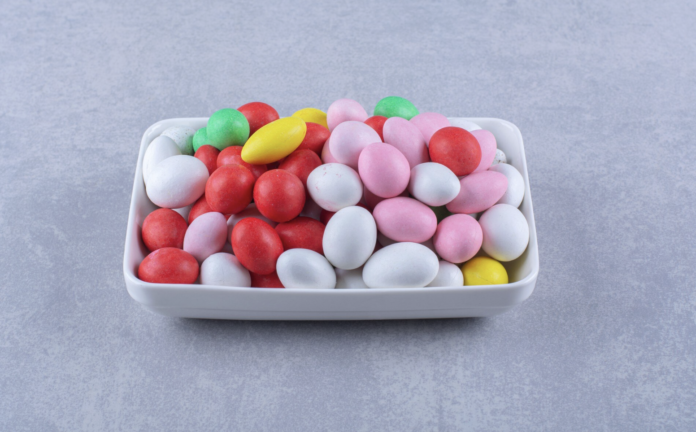
That stick of gum you chew daily may be releasing hundreds of microplastic particles straight into your body.
KEY STATISTICS
- A 2024 study found that a single piece of chewing gum can release up to 600 microplastic particles into saliva within the first eight minutes of chewing.
- Research published in Nature Food estimates that humans ingest between 74,000 and 121,000 microplastic particles per year through food, drink, and everyday products.
- Synthetic rubber-based gum bases — found in most commercial brands — are composed of polymers that are chemically related to plastics and do not fully break down in the body.
You probably grab a piece of gum without a second thought — after lunch, before a meeting, or just out of habit. But emerging research is raising a question worth pausing on: are you also chewing a slow drip of plastic particles straight into your digestive system? The science is early but credible, and for adults in their 30s and 40s, it is worth knowing what is actually inside that stick of gum.
What Gum Base Contains
Most commercial chewing gums contain a synthetic gum base made from polyvinyl acetate, polyethylene, or other polymer compounds. These are not natural materials — they are industrially manufactured plastics and rubbers designed to give gum its chewable texture.
When you chew, friction and saliva gradually break down the gum base into tiny particles. A 2024 study from the University of California, Los Angeles found that both synthetic and natural gum bases released microplastics into saliva, with the highest concentrations detected in the first few minutes of chewing.
Microplastics are defined as plastic particles smaller than five millimetres. Once swallowed, they can pass through the gut lining and have been detected in human blood, liver tissue, and even placental tissue in multiple peer-reviewed studies.
The long-term health implications of microplastic accumulation are still being studied. However, researchers have raised concerns about potential links to inflammation, hormonal disruption, and oxidative stress — all of which are already elevated concerns for adults in midlife.
Why Midlife Matters Here
Adults aged 35 to 45 are at a particularly relevant stage when it comes to cumulative exposures. The body’s detoxification and cellular repair systems begin to slow during this decade, making it harder to clear foreign particles efficiently.
Chronically elevated inflammation is already a growing concern in this age group, tied to conditions such as metabolic syndrome, cardiovascular risk, and hormonal shifts. Adding a daily source of microplastic ingestion — even a small one — may compound an already strained system.
This is also the decade when many people develop habitual gum-chewing behaviours, whether for appetite control, stress relief, or fresh breath. That regularity is exactly what makes the cumulative exposure worth addressing now rather than later.
Warning Signs To Watch
- You chew gum daily or multiple times per day and have never considered the ingredients in the gum base
- You use chewing gum as an appetite suppressant or stress management tool without a healthier alternative in place
- You notice persistent low-grade digestive discomfort, bloating, or gut sensitivity with no clear dietary cause
- You are already managing inflammation, hormone imbalance, or metabolic changes and have not reviewed all daily product exposures
- You give chewing gum regularly to children or teenagers in your household
What Actually Helps
The most direct step is to swap synthetic gum for a natural alternative. Brands made with chicle — a natural tree sap — or mastic gum, a resin from the Pistacia lentiscus tree, do not contain synthetic polymer bases. These options are increasingly available in health food stores and online.
Mastic gum in particular has some supporting research behind it. Studies have shown it may support digestive health and has mild antibacterial properties relevant to oral hygiene — the reasons most people chew gum in the first place.
If you chew gum for fresh breath, consider replacing the habit with peppermint tea, water with a slice of lemon, or a few fennel seeds after meals. These options have no microplastic exposure and carry their own digestive benefits.
For stress-related chewing, try substituting with a mindful breathing exercise or a short walk. The oral fixation habit can often be redirected with a small, consistent replacement behaviour.
Action Plan Checklist
- Check the ingredients list on your current gum brand and look for terms like polyvinyl acetate, gum base, or synthetic rubber — these are plastic-derived compounds
- Switch to a chicle-based or mastic gum brand as your first replacement step — read labels carefully as not all ‘natural’ gums are plastic-free
- Reduce chewing frequency to occasional rather than daily while you transition to better alternatives
- Replace the fresh breath habit with peppermint tea, fennel seeds, or a good water intake routine throughout the day
- Review other daily plastic exposures — plastic water bottles, heated food containers, and canned goods with plastic linings — to reduce your overall microplastic load
The Bigger Plastic Picture
The microplastic conversation does not begin and end with gum. Adults in their 40s who want to reduce their total exposure should think in terms of everyday habit stacking — small swaps across multiple product categories that add up to a meaningfully lower daily load.
Switching to a stainless steel or glass water bottle, avoiding heating food in plastic containers, and choosing fresh or frozen produce over heavily processed packaged food are all practical, low-cost moves that complement the gum swap.
The gut is particularly worth protecting during midlife. The intestinal lining becomes more permeable with age and chronic stress, meaning particles that might have been blocked earlier in life have a greater chance of crossing into the bloodstream. Prioritising gut-supportive foods — fermented foods, fibre-rich vegetables, and adequate hydration — gives your body better tools to handle unavoidable exposures.
Bottom Line
Chewing gum is one of those everyday habits that feels completely harmless — and for most of history, it largely was. But modern synthetic gum bases are plastic-derived materials, and the emerging science on microplastic ingestion is too consistent to ignore. A simple swap to a natural gum alternative or a fresh breath habit replacement is one of the lowest-effort, highest-awareness changes you can make this week.
Always consult a qualified healthcare provider before making changes to your health routine.
Sources
- Microplastics released from chewing gum into human saliva — Environmental Science and Technology Letters — American Chemical Society
- Dietary and inhalation exposure to nano and microplastics in humans — Nature Food
- Microplastics in human blood, liver, and placental tissue — National Library of Medicine — NIH
- Health effects of microplastic exposures: current evidence and future perspectives — The Lancet — Planetary Health
- Mastic gum and its biological properties for digestive health — Journal of Ethnopharmacology