
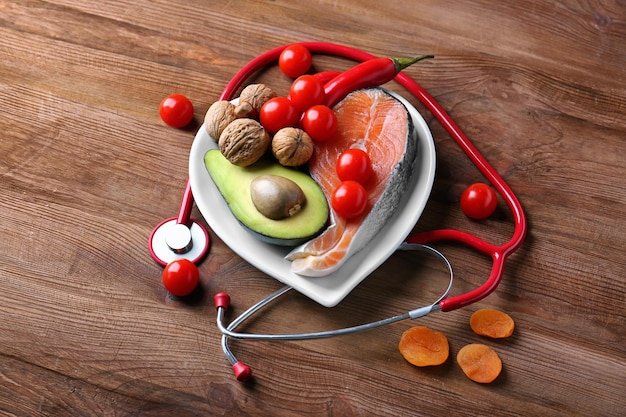
Understanding Cholesterol and Your Arteries
As we journey into and beyond our 40s, maintaining heart health becomes increasingly important. Cholesterol, a waxy substance found in your blood, plays a vital role in building healthy cells, but having high levels can increase the risk of heart disease. This balance can be tricky to maintain, yet diet is one of the most effective tools we have to manage cholesterol levels and support artery health.
While no food alone can “cleanse” the arteries, certain foods can support the body’s natural systems that keep your heart and blood vessels healthy. Understanding the types of cholesterol-low-density lipoprotein (LDL) and high-density lipoprotein (HDL)-is essential in making informed dietary choices.
The Role of Diet in Heart Health
Diet plays a critical role in managing cholesterol levels. Consuming a heart-healthy diet can improve your cholesterol and lessen the risk of heart disease. The focus should be on minimizing LDL, often referred to as “bad” cholesterol, while supporting HDL, the “good” cholesterol. This balance can help maintain cleaner arteries and better circulation.
Here are several foods known for their heart-supporting properties:
Oats and Whole Grains: Foods rich in soluble fiber, like oats, barley, and whole grains, can help reduce the absorption of cholesterol into your bloodstream.
Fatty Fish: High in omega-3 fatty acids, fish such as salmon, mackerel, and sardines can enhance heart health by boosting HDL levels and reducing inflammation.
Nuts: Almonds, walnuts, and other nuts offer healthy fats and fibers that may improve cholesterol levels.
Beneficial Fruits and Vegetables
Fruits and vegetables are powerful allies in maintaining heart health. Their rich nutrient profiles support overall wellbeing by delivering essential vitamins, minerals, and antioxidants. Some particularly supportive options include:
Leafy Greens: Vegetables like spinach, kale, and collard greens provide ample fiber and nutrients that help maintain good arterial function.
Berries: Blueberries, strawberries, and raspberries are high in antioxidants, supporting heart health and reducing inflammation.
Citrus Fruits: Oranges and grapefruits are packed with vitamin C and other compounds that can aid in cholesterol management.
Harnessing the Power of Legumes
Legumes, including beans, lentils, and peas, are nutritional powerhouses. They offer plant-based proteins and fibers, which can help manage cholesterol levels by improving heart health. Regularly incorporating legumes into meals can support a balanced diet and may contribute to lower LDL levels.
Consider adding these to your diet:
Beans: Kidney beans, black beans, and chickpeas are adaptable ingredients for salads, soups, and stews.
Lentils: These can be a flavorful addition to soups, dal, and casseroles, offering fiber that benefits heart health.
The Takeaway
Managing cholesterol through diet is a proactive step that can significantly enhance heart health as we age. While individual dietary needs vary, focusing on a balanced intake of nutrient-rich foods like whole grains, fatty fish, nuts, fruits, vegetables, and legumes can support healthy cholesterol levels and promote cleaner arteries.
Incorporating these foods into a balanced diet, along with regular physical activity and routine health check-ups, provides a well-rounded approach to maintaining heart health after 40.
Sources
While it’s crucial to rely on reputable sources for your dietary choices, consult with healthcare providers for personalized advice. Resources such as the American Heart Association and the National Institutes of Health offer guidelines and insights into heart-healthy eating practices.