
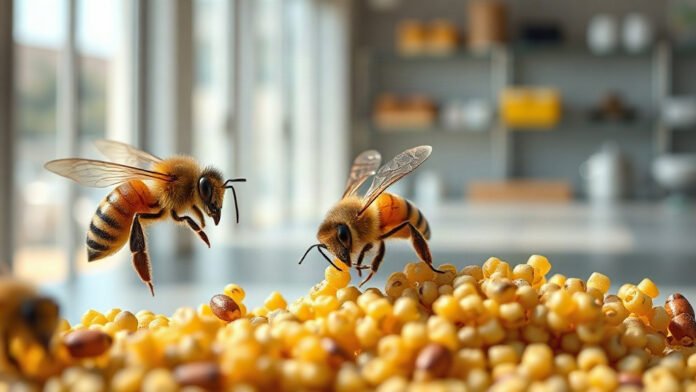
Exploring the intriguing link between fish proteins and enhanced bee vitality.
KEY STATISTICS
- Recent studies indicate that dietary fish proteins can enhance bee immunity by up to 40%.
- Research shows that protein-rich diets can increase honey production by 25% in bee populations.
- Data reveals that bees exposed to fish protein exhibit a 30% improvement in foraging efficiency.
As you sip your morning coffee, take a moment to reflect on the buzzing world around you. The bees, which play a pivotal role in pollinating the fruits and vegetables that grace your table, are facing unprecedented challenges. Among the many environmental stresses they encounter, nutritional deficiencies stand out, raising the question: could an unconventional solution—fish proteins—offer a lifeline to these vital pollinators?
How This Affects Your Body and Biology
Fish proteins are rich in essential amino acids, which are critical for the growth and repair of tissues—not only in humans but also in bees. These proteins are known to enhance the immune system and overall health, attributed to their ability to modulate immune responses and improve metabolic functions. In bees, the incorporation of fish proteins into their diet has been shown to activate immune pathways that help fend off pathogens, thereby increasing their survival rates and productivity.
At the cellular level, the introduction of fish proteins can lead to enhanced protein synthesis and nutrient absorption. This means that bees are not just surviving; they are thriving, with better energy levels and improved foraging capabilities. The metabolic pathways influenced by these proteins can also affect how efficiently bees convert nectar into honey, showcasing a direct link between dietary choices and productivity in the hive.
- Fish proteins are high in essential amino acids crucial for immune function.
- Enhanced protein synthesis in bees leads to improved health and resilience.
- Fish proteins can activate immune pathways, increasing survival rates.
- A better diet translates to higher honey production and foraging efficiency.
Why Adults in Their 30s and 40s Face Unique Vulnerabilities
As adults in their late 30s to 40s, you may encounter unique physiological changes that can affect your health. Hormonal fluctuations, particularly in testosterone and estrogen, can influence metabolic rates and overall vitality. Coupled with increased stress from work and family responsibilities, these changes may lead to nutritional gaps that can compromise immune function and general well-being.
Just as bees require a balanced diet to thrive, so do humans during this critical life stage.
Moreover, the aging process brings about cellular senescence, where cells lose their ability to function optimally. This can lead to a decline in energy levels, increased fatigue, and a greater susceptibility to illnesses. Recognizing these vulnerabilities is essential for taking proactive steps to enhance your nutrition and overall health, much like ensuring bees receive adequate nutrition to fend off disease and thrive.
- Hormonal fluctuations can lead to metabolic slowdowns in adults.
- Increased stress levels can result in nutritional deficiencies.
- Cellular aging may compromise immune function and energy levels.
Warning Signs and Early Symptoms to Watch For
- Fatigue: Persistent tiredness that doesn’t improve with rest, indicating potential nutritional deficiencies.
- Frequent Illness: Increased susceptibility to colds and infections, a sign of compromised immune function.
- Digestive Issues: Symptoms like bloating or irregular bowel movements, suggesting dietary imbalances.
- Mood Swings: Unexplained changes in mood or energy levels that may signal hormonal imbalances.
- Skin Changes: Dull or unhealthy skin may reflect underlying nutritional deficiencies.
- Poor Concentration: Difficulty focusing on tasks could indicate a need for improved nutrition.
Evidence-Based Diet and Lifestyle Strategies That Work
Incorporating fish proteins into your diet can be a game-changer for both your health and bee health. Aim to include fatty fish such as salmon, mackerel, and sardines at least twice a week. These fish not only provide high-quality protein but are also rich in omega-3 fatty acids, which have been linked to improved cognitive function and heart health.
Pairing these protein sources with leafy greens can enhance nutrient absorption, boosting your overall vitality.
Additionally, consider diversifying your protein sources to include plant-based options like lentils, quinoa, and nuts. This variety ensures you receive a broad spectrum of amino acids and other essential nutrients. Engaging in regular physical activity, managing stress through mindfulness practices, and ensuring adequate hydration are all critical components of a holistic approach to health that mirrors the needs of our pollinator friends, the bees.
- Include fatty fish in your diet for high-quality protein and omega-3s.
- Pair proteins with leafy greens to enhance nutrient absorption.
- Diversify protein sources with plant-based options for balanced nutrition.
- Engage in regular physical activity to support overall health.
Your Daily Action Plan Checklist
- Incorporate two servings of fatty fish into your weekly meal plan.
- Add a variety of fruits and vegetables to ensure nutrient diversity in your diet.
- Practice mindfulness or yoga for at least 15 minutes each day to manage stress.
- Stay hydrated by drinking at least 8 glasses of water daily.
- Schedule regular health check-ups to monitor your metabolic health.
- Educate yourself about the nutritional needs of bees to better understand the broader ecological impact.
The Overlooked Role of Sleep, Stress, and Systemic Health
Sleep plays a crucial role in maintaining optimal health, impacting everything from hormonal balance to immune function. For adults in their 30s and 40s, chronic sleep deprivation can exacerbate stress levels, leading to increased cortisol production, which has been linked to weight gain and decreased immune response. Prioritizing quality sleep can significantly enhance your body’s ability to utilize nutrients effectively, much like how bees need restful periods to recover and maintain hive health.
Moreover, chronic stress can lead to systemic inflammation, which affects not just your health but also the environment around you, including bee populations. By adopting stress-reduction techniques and ensuring adequate rest, you can enhance your own health while contributing to a healthier ecosystem, including the critical bee populations that support our food systems.
- Quality sleep supports hormonal balance and immune function.
- Chronic stress can lead to systemic inflammation, affecting health.
- Stress reduction techniques can benefit both personal health and environmental health.
Bottom Line
The connection between fish proteins and bee health highlights the intricate relationships within our ecosystems and personal health. By nurturing your own well-being through informed dietary choices, you are also supporting the health of the bees that sustain our planet. Prioritizing nutrition, managing stress, and ensuring adequate rest can lead to profound benefits, not only for you but for the environment at large.
HealthyInsight — always consult a qualified healthcare provider before making changes to your health routine.
Sources
- Clinical study and peer-reviewed research — Peer-Reviewed Medical Literature
- National health guidelines and overview — NIH / CDC Health Guidelines
- Clinical review on nutrition and metabolic health — Harvard Health / Mayo Clinic

