
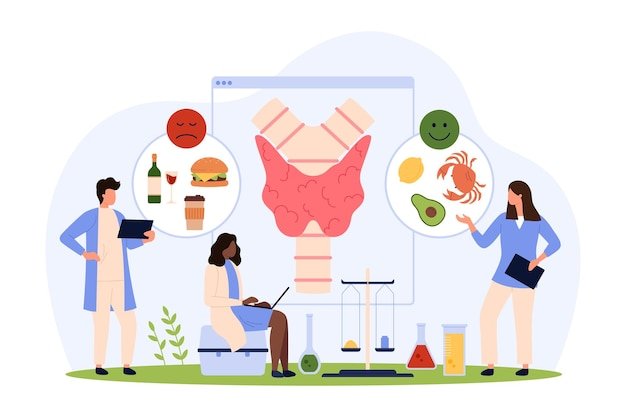
Endocrine System: Hormones at Play
Have you ever wondered why some days you feel like you can conquer the world, while on others you struggle to get out of bed? It࢒¬’¢s not just a coincidence; it may be your hormones working behind the scenes. For adults over 40, understanding how the endocrine system influences everyday life can provide insights into those unpredictable shifts in energy, mood, and even skin health.
Hormones are powerful chemical messengers produced by your endocrine glands. They travel through your bloodstream, impacting nearly every cell and system in your body. As we age, changes in these hormone levels can lead to noticeable differences in how we feel physically and emotionally. Let࢒¬’¢s delve into how these tiny chemical signals make a big difference in our daily lives.
Recognizing the role hormones play can be empowering. It allows you to take control of the factors that you can influence and understand those you can࢒¬’¢t. Finding harmony between these chemical processes and your lifestyle choices is key to maintaining vitality and well-being. Here࢒¬’¢s what you need to know about hormones and your day-to-day life after 40.
The Metabolism Connection
Feeling that your metabolism isn’t as fast as it used to be? You’re not alone. Hormones like thyroid hormones play a crucial role in regulating your metabolism. When their production changes, it can lead to a noticeable impact on your weight and energy levels. Experts note that as you age, the thyroid gland sometimes produces less of these hormones, which might slow down metabolism.
Furthermore, insulin, another hormone important in metabolism, becomes less effective at managing blood sugar levels over time. This decreased effectiveness can lead to energy fluctuations throughout the day.
Consider regular physical activity to help maintain a balanced metabolism.
Choose nutrient-dense foods that support metabolic health.
Sleep and Hormones
Have your sleep patterns changed recently? Hormones such as cortisol and melatonin play significant roles in regulating your sleep cycle. Research suggests that as you age, the natural production of melatonin, which regulates sleep-wake cycles, can decline, leading to sleep disturbances.
Stress-related increases in cortisol can further disrupt sleep, contributing to insomnia or tiredness even after a full night’s rest. Understanding these processes may help in adjusting to new sleep patterns.
Establish a consistent bedtime routine to aid hormonal balance.
Engage in relaxation practices such as meditation or gentle yoga before bed.
Hormones and Skin Health
As hormones fluctuate, so does skin health. You might notice changes such as thinning skin or decreased elasticity, often linked to reduced estrogen levels. Estrogen contributes to the production of collagen, which maintains skin’s thickness and strength.
Moreover, reduced hormone production can lead to drier skin, as oil glands decrease their activity. Understanding these changes can aid in choosing the right skincare routines and products.
Hydrate your skin regularly and use moisturizers designed for mature skin.
Protect your skin from sun damage with appropriate SPF usage.
Mental Clarity and Emotional Wellbeing
Fluctuations in hormones such as serotonin and dopamine can significantly affect mood and mental clarity. These hormones are intricately linked to mental health, and changes over time can contribute to feelings of anxiety or depression.
It࢒¬’¢s also common to experience shifts in memory or focus, which are sometimes associated with hormonal changes during midlife. While these shifts can be concerning, being proactive in mental health through lifestyle adjustments can be beneficial.
Engage in activities that promote mental agility, like puzzles or reading.
Consider therapy or counseling if emotional challenges persist.
Simple Daily Takeaways
Stay physically active to support a balanced metabolism.
Create a soothing bedtime routine to enhance sleep quality.
Nourish your skin and protect it with suitable products.
Embrace activities that boost mental sharpness and emotional well-being.