
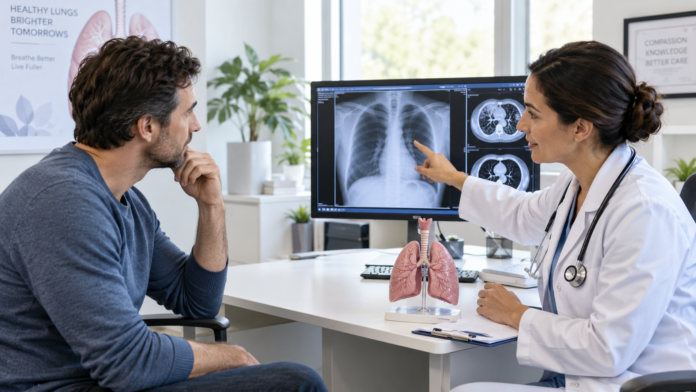
Understanding the complexities of lung cancer empowers proactive health choices.
KEY STATISTICS
- Lung cancer is the leading cause of cancer death, accounting for 25% of all cancer fatalities.
- Approximately 1 in 15 men and 1 in 17 women will be diagnosed with lung cancer in their lifetime.
- About 15% of lung cancer cases occur in non-smokers, highlighting the role of environmental factors.
Imagine waking up one day and feeling an unexplained heaviness in your chest, a nagging cough that lingers despite home remedies, or perhaps a sudden shortness of breath that disrupts your daily activities. For many adults in their late 30s and early 40s, these symptoms can often be dismissed as stress or fatigue, but they might signal something far more serious—lung cancer. As a leading cause of cancer-related deaths, understanding the nuances of this disease is crucial for early detection and effective intervention.
How This Affects Your Body and Biology
Lung cancer primarily arises from the abnormal growth of cells in the lungs, often triggered by genetic mutations caused by carcinogens such as tobacco smoke, radon, or asbestos. In the early stages, these mutations can lead to uncontrolled cell proliferation, which can form tumors. These tumors may be classified as either non-small cell lung cancer (NSCLC) or small cell lung cancer (SCLC), with NSCLC being the most prevalent form.
As the disease progresses, cancer cells can invade surrounding tissues, leading to further complications, including metastasis, where cancer spreads to other organs such as the brain or bones.
- Lung cancer originates from genetic mutations leading to uncontrolled cell growth.
- Non-small cell lung cancer (NSCLC) constitutes about 85% of cases, while small cell lung cancer (SCLC) accounts for 15%.
- Environmental factors, such as air pollution and occupational hazards, can exacerbate lung cancer risk.
- Early-stage lung cancer may not present symptoms, making regular screenings vital for at-risk populations.
Why Adults in Their 30s and 40s Face Unique Vulnerabilities
Adults in their late 30s and 40s may face unique vulnerabilities related to lung cancer due to several physiological and lifestyle factors. Hormonal changes during this life stage can impact metabolic health, which may influence the body’s ability to repair damaged DNA. Additionally, exposure to environmental toxins—whether from work, home, or lifestyle choices—can accumulate over time, increasing the risk of mutations that lead to cancer.
Moreover, the stressors of balancing career and family often lead to neglect of health screenings, which can delay the diagnosis of conditions like lung cancer.
- Increased hormonal shifts can affect cellular repair mechanisms, raising cancer susceptibility.
- Cumulative exposure to environmental toxins is more prominent as adults age.
- Work-related exposures and lifestyle habits in this demographic can further elevate risk.
Warning Signs and Early Symptoms to Watch For
- Persistent cough: A cough that does not go away or worsens over time, which could indicate irritation or tumor presence in the lungs.
- Chest pain: Unexplained chest pain that may be persistent or worsen with deep breaths, indicating possible respiratory distress.
- Shortness of breath: Difficulty breathing or wheezing that occurs even during normal activities, signaling potential airway obstruction.
- Unexplained weight loss: Sudden weight loss without changes in diet or exercise habits can be a sign of underlying disease.
- Chronic fatigue: Overwhelming tiredness that doesn’t improve with rest and could be associated with systemic illness.
- Coughing up blood: Hemoptysis, or coughing up blood, is a serious symptom that requires immediate medical attention.
Evidence-Based Diet and Lifestyle Strategies That Work
Adopting a proactive lifestyle can significantly reduce your risk of lung cancer. Diet plays a crucial role; a diet rich in fruits and vegetables provides antioxidants and anti-inflammatory compounds that may protect against cell damage. Cruciferous vegetables, such as broccoli and kale, contain compounds that support detoxification pathways in the liver, potentially reducing carcinogenic effects.
Regular physical activity improves lung function, enhances immune response, and helps maintain a healthy weight, all of which are protective factors against cancer. Moreover, avoiding tobacco and minimizing exposure to secondhand smoke are imperative steps in lung cancer prevention. It’s also beneficial to limit processed foods and red meat, which have been linked to higher cancer risks.
- Incorporate a variety of colorful fruits and vegetables into daily meals for essential nutrients.
- Include cruciferous vegetables like broccoli, which contain cancer-fighting compounds.
- Engage in at least 150 minutes of moderate exercise weekly to boost lung health.
- Avoid tobacco in all forms and minimize exposure to secondhand smoke.
Your Daily Action Plan Checklist
- Schedule regular health screenings, especially if you have risk factors.
- Incorporate at least five servings of fruits and vegetables into your daily diet.
- Commit to a physical activity routine that includes both aerobic and strength training.
- Limit red meat and processed foods; opt for whole grains and lean proteins instead.
- Practice stress management techniques such as yoga or meditation to support overall health.
- Stay informed about lung health by reading credible health resources and guidelines.
The Overlooked Role of Sleep, Stress, and Systemic Health
The importance of sleep and stress management cannot be overstated when it comes to lung health. Chronic stress can lead to elevated cortisol levels, which may suppress immune function and promote inflammation, potentially allowing cancer cells to thrive. Furthermore, inadequate sleep disrupts circadian rhythms and hormonal regulation, which may impair the body’s ability to repair cellular damage.
Prioritizing restorative sleep and managing stress through mindfulness practices can enhance overall health and resilience, making the body less susceptible to diseases, including lung cancer.
- Chronic stress can elevate cortisol levels, negatively impacting immune health.
- Poor sleep can impair the body’s natural repair mechanisms, increasing disease susceptibility.
- Mindfulness and relaxation techniques can reduce stress and enhance overall well-being.
Bottom Line
Understanding lung cancer is crucial for adults in their late 30s and 40s as they navigate a complex interplay of risk factors and lifestyle choices. By being proactive—monitoring symptoms, adopting a healthy diet, maintaining an active lifestyle, and managing stress—individuals can significantly influence their lung health. Empower yourself with knowledge and take actionable steps to safeguard your health, ensuring a brighter, healthier future.
HealthyInsight — always consult a qualified healthcare provider before making changes to your health routine.
Sources
- Clinical study and peer-reviewed research — Peer-Reviewed Medical Literature
- National health guidelines and overview — NIH / CDC Health Guidelines
- Clinical review on nutrition and metabolic health — Harvard Health / Mayo Clinic