
Exploring Antioxidants: Beyond Free Radical Theory
Antioxidants have long been touted as the body࢒¬’¢s defenders against the havoc caused by free radicals. As adults over 40, we’ve likely heard countless times about their crucial role in protecting our cells from damage. This classical theory has shaped how we view nutrition and health. However, new perspectives and research are unveiling a more complex picture’one that might change how we think about antioxidants in our daily lives.
For those navigating midlife complexities, the goal may simply be to maintain energy, clarity, and vitality. But how exactly do antioxidants factor in? Recent findings suggest they play roles far beyond our past understanding. It’s time to explore these nuances to make well-informed choices.
While antioxidants are certainly warriors against oxidative stress, what if their benefits extend deeper into our bodily functions? The potential seems promising, and understanding these effects can empower us to cultivate a healthier lifestyle as we age.
Unpacking the Science of Antioxidants
The term “antioxidant” refers to substances that can prevent or slow damage to cells caused by free radicals’unstable molecules the body produces as a reaction to environmental pressures. Traditionally, antioxidants were solely seen as the balancing force to neutralize these free radicals. However, they also appear to play an active role in communication between cells.
Research suggests that antioxidants participate in signaling pathways that influence gene expression and modulate cellular repair mechanisms. By affecting such pathways, antioxidants may support the body’s natural healing processes, highlighting their importance beyond mere “free radical fighters.”
The Broader Impact on Metabolism
Aging often comes with noticeable changes in metabolism, and incorporating antioxidants into your diet might support metabolic health in ways previously underestimated. Experts note that antioxidants may help in optimizing the body’s metabolic efficiency, assisting in everything from energy production to glucose metabolism.
Studies indicate that certain antioxidants have the potential to:
Enhance mitochondrial function, the energy factories of our cells.
Improve insulin sensitivity, which can be crucial in maintaining balanced blood sugar levels.
These metabolic supports might prove crucial as the natural aging processes tend to slow down these vital functions.
Facilitating Improved Mental Clarity
As we age, mental clarity and cognitive function become pivotal areas of concern. Antioxidants may contribute to maintaining mental sharpness by reducing oxidative stress on the brain. Beyond that, it’s proposed that they foster an environment that supports neural growth and connectivity.
The consumption of antioxidants such as flavonoids and carotenoids’commonly found in colorful fruits and vegetables’is associated with better cognitive health. A diet rich in these nutrients may support sustained attention and sharp memory during the aging process.
The Skin Connection
Let࢒¬’¢s not forget one of the most visible aspects of aging: our skin. Antioxidants are heralded for their protective effects against skin aging, and rightly so. By countering oxidative stress and reducing inflammation, antioxidants may play a critical role in maintaining skin health and vitality.
When applied topically or consumed through diet, antioxidants like vitamin C, vitamin E, and selenium may support collagen production and soothe inflammation. Incorporating a variety of antioxidant sources can be beneficial in keeping your skin looking youthful and radiant.
Simple Daily Takeaways
Embrace a colorful diet with fruits and vegetables to increase your antioxidant intake naturally.
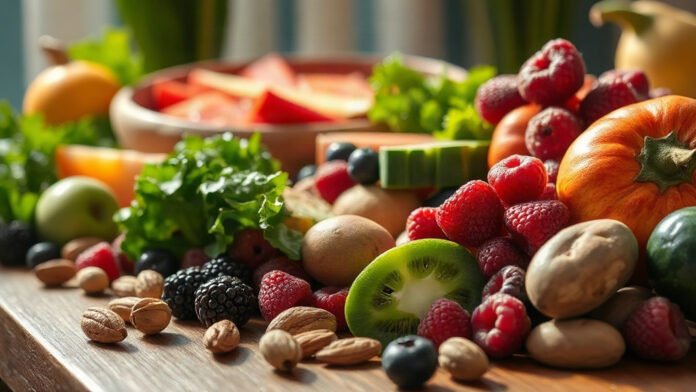
Consider including foods high in specific antioxidants, such as berries, nuts, and leafy greens, for cognitive and metabolic support.
Explore topical products rich in antioxidants, which can contribute to healthier skin.
Stay informed on emerging research to understand the evolving benefits of antioxidants.