
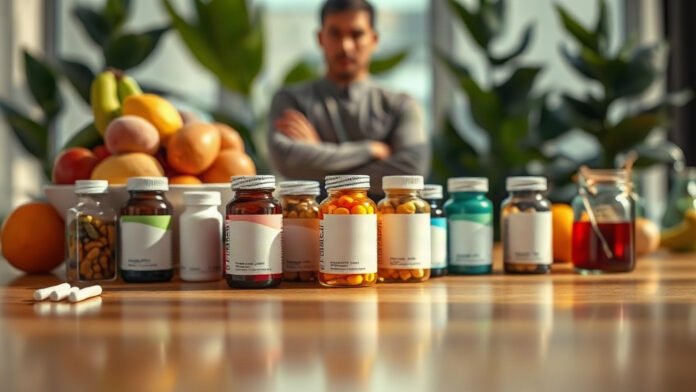
Copycat supplements are flooding the market — and the risks are far greater than the labels admit.
KEY STATISTICS
- The global weight-loss supplement market is projected to exceed $33 billion by 2027, according to market research published by Grand View Research.
- The FDA issued over 50 warning letters to companies selling unapproved weight-loss products containing undisclosed or dangerous ingredients in a single recent year.
- A 2023 analysis in JAMA Internal Medicine found that most weight-loss supplements studied contained little to no evidence supporting their advertised claims.
GLP-1 drugs like semaglutide have become some of the most talked-about medications in modern medicine — and where there is demand, unregulated supplements follow fast. Dozens of products now claim to activate your GLP-1 pathways, suppress appetite, and trigger weight loss without a prescription. The problem is that most of these claims are not just overstated — they may be actively misleading you.
How GLP-1 Actually Works
GLP-1 stands for glucagon-like peptide-1, a hormone your gut naturally releases after eating. It signals your brain to reduce hunger, slows the movement of food through your stomach, and helps regulate blood sugar — which is why GLP-1 receptor agonist drugs have shown genuine, measurable results in clinical settings.
Prescription GLP-1 medications like semaglutide and tirzepatide work by binding directly to GLP-1 receptors in the body. These drugs are rigorously tested, require a physician’s oversight, and carry detailed safety profiles. The biological pathway they target is real and well-documented.
The supplements claiming to do the same thing work through an entirely different mechanism — if they work at all. Ingredients like berberine, bitter melon extract, or certain fiber blends may support blood sugar modestly in some studies. None of them replicate what a prescription GLP-1 drug does at the receptor level.
Why This Age Is Targeted
Adults in their late 30s and early 40s are particularly vulnerable to supplement marketing that promises metabolic support. This is the decade when metabolism genuinely begins to slow, appetite regulation can become less efficient, and weight management grows more frustrating — making aggressive marketing land harder.
Prescription GLP-1 medications are only available through a licensed provider and are not appropriate for everyone. That gap between access and desire creates the exact opening that supplement companies exploit.
If you are in this age group and struggling with weight, energy, or blood sugar, that frustration is completely valid. But reaching for an unregulated product that makes pharmaceutical-level promises is unlikely to help — and may introduce real risks.
Warning Signs To Watch For
- The product label uses terms like ‘GLP-1 activator,’ ‘semaglutide alternative,’ or ‘GLP-1 support’ without referencing any clinical trials on its actual formula
- The supplement contains a long list of exotic-sounding plant extracts with no clear dosage transparency or explanation of how each ingredient was studied
- You experience unexpected side effects such as nausea, rapid heart rate, digestive disruption, or dizziness after starting a new weight-loss supplement
- The product is sold primarily through social media ads, influencer posts, or websites that do not list a physical address or medical advisory board
- The packaging makes weight-loss promises using phrases like ‘clinically proven’ without referencing a specific published peer-reviewed study on their exact product
What Actually Helps Instead
The most honest thing that can be said about GLP-1 supplements is this: some of their ingredients have real but modest effects on blood sugar and appetite, and they are not the same as activating GLP-1 receptors the way prescription drugs do. Berberine, for example, has shown promise in small studies for blood sugar regulation — but its effects are mild, inconsistent across individuals, and far from equivalent to pharmaceutical intervention.
Fiber-rich foods genuinely stimulate natural GLP-1 release after meals. Foods like oats, legumes, vegetables, and whole grains slow digestion, improve satiety, and support the gut hormones your body already produces — without any supplement label required.
Regular physical activity, particularly resistance training and brisk walking after meals, also supports natural GLP-1 secretion. These are not glamorous answers, but they are grounded in evidence and they carry no risk of hidden ingredients or misleading dosages.
If you are genuinely struggling with weight, appetite regulation, or blood sugar, the most useful step is a conversation with your doctor or a registered dietitian. Prescription GLP-1 therapy may or may not be appropriate for your situation — but that decision should be made with a professional, not a supplement ad.
Action Plan Checklist
- Search the FDA’s Dietary Supplement Ingredient Advisory List before purchasing any weight-loss product claiming hormonal or metabolic effects
- Look up the specific study behind any ‘clinically proven’ claim — confirm the study was done on the actual product formula, not just a single ingredient in isolation
- Add one fiber-rich food to each meal this week to support your body’s own natural GLP-1 production through real, evidence-backed nutrition
- Book an appointment with your GP or endocrinologist if you are experiencing genuine difficulty managing appetite, blood sugar, or unexplained weight gain
- Use the National Institutes of Health Office of Dietary Supplements website to verify what the evidence actually says before spending money on any new supplement
The Sleep Factor Nobody Mentions
One overlooked factor in the GLP-1 supplement conversation is how significantly sleep affects the hormones that regulate hunger. Poor or disrupted sleep — which is extremely common in the 35–45 age group — raises ghrelin (the hunger hormone) and reduces leptin (the satiety hormone), creating a biological drive to eat more.
No supplement can compensate for chronically disrupted sleep patterns. If you are waking tired, relying on caffeine by mid-morning, and noticing increased cravings for high-calorie foods, your sleep quality deserves attention before any product on a pharmacy shelf does.
Address your sleep environment, limit screen exposure after 9pm, and speak to your doctor if you suspect sleep apnea or another underlying condition. Improving sleep quality may do more for your appetite and metabolic function than any supplement currently being marketed as a GLP-1 alternative.
Bottom Line
GLP-1 drugs represent a genuine breakthrough in metabolic medicine — but that does not mean unregulated supplements claiming similar effects are safe, effective, or worth your money. Your body already has the tools to support healthy appetite regulation through food, movement, and sleep. Use them first, and speak to a healthcare provider before any supplement claiming pharmaceutical-level results.
Always consult a qualified healthcare provider before making changes to your health routine.
Sources
- Dietary Supplements for Weight Loss: Fact Sheet for Health Professionals — NIH Office of Dietary Supplements
- Weight-Loss Supplements: What the Science Says — JAMA Internal Medicine
- GLP-1 Receptor Agonists: Mechanisms and Clinical Applications — New England Journal of Medicine
- FDA Warning Letters on Unapproved Weight-Loss Products — U.S. Food and Drug Administration
- Berberine and Blood Glucose Control: A Systematic Review — Mayo Clinic Proceedings