
Is Ashwagandha the Stress Buster?
In today’s fast-paced world, stress has become an unwelcome companion for many adults over 40. As responsibilities grow ࢒¬’ whether it’s career demands, family obligations, or health concerns ࢒¬’ managing stress effectively becomes crucial. Amidst the search for relief, one herb often mentioned in conversations is ashwagandha. Known for its roots in traditional Ayurvedic medicine, could this ancient herb be the ally in stress management you’ve been seeking?
Imagine waking up refreshed, with energy levels that last throughout the day, and the ability to handle life’s curveballs with poise. Stress can take a toll not just on mental well-being but also on physical health, leading to a ripple effect of challenges such as fatigue and decreased focus. Amidst a variety of self-care options, the name ashwagandha often surfaces as a potential stress buster.
But what is ashwagandha, and how can it play a role in stress management? Research is ongoing, but its association with stress reduction warrants a closer look.
What Is Ashwagandha?
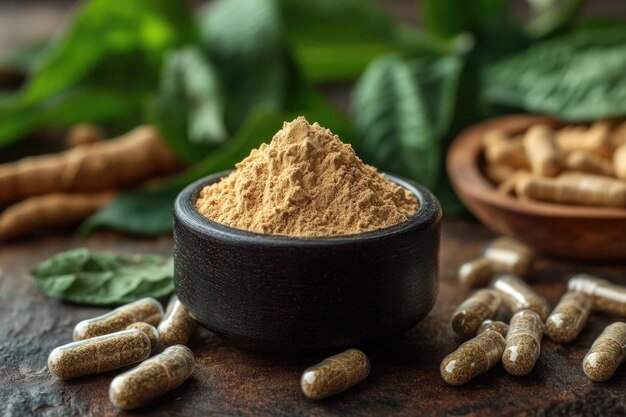
Ashwagandha, also known as Withania somnifera, is a small shrub with yellow flowers common in India and parts of Africa. It has been utilized in traditional medicine for centuries, revered for its perceived ability to enhance vitality and overall well-being. The root and berry of the plant are primarily used in herbal remedies, and it is commonly found in powder and capsule form in the modern wellness market.
Its appeal largely stems from its classification as an adaptogen ࢒¬’ substances believed to help the body adapt to stress. But how does it work, and more importantly, is there scientific backing to these claims?
Research and Stress Reduction
Research suggests that ashwagandha may support stress reduction. A study published by the National Institutes of Health explored its impact on stress, validating that ashwagandha might help reduce cortisol levels, the hormone often associated with stress responses. Participants in the study who received ashwagandha reported reduced stress levels, affirming its traditional use.
While this is promising, it’s important to note that this doesn’t mean ashwagandha will work the same for everyone. Responses can vary significantly based on individual health factors and personal conditions.
Benefits Beyond Stress
Apart from stress relief, ashwagandha is associated with several other potential benefits that may resonate with adults over 40:
Energy Boost: Many users report experiencing an increase in energy, potentially aiding those struggling with mid-day energy slumps.
Support for Mental Clarity: There is some evidence that ashwagandha could contribute to improved memory and cognitive function.
Sleep Quality: Given its adaptogenic properties, it may also support better sleep by promoting a sense of calm.
These potential benefits can complement overall well-being, making it an attractive option in a wellness regimen.
Considerations Before Use
Before integrating ashwagandha into your routine, there are important considerations to keep in mind. Experts note that as with any supplement, it is crucial to consult with a healthcare provider to assess its suitability for your individual health profile. This is especially pertinent for those with medical conditions or those taking other medications.
Furthermore, sourcing matters; opting for high-quality, reputable brands ensures purity and effectiveness. The landscape of supplements can vary widely, and informed choices are paramount in harnessing their full potential.
Simple Daily Takeaways
Explore the traditional benefits of ashwagandha for potential stress management.
Consult healthcare professionals before starting any new supplement regimen.
Consider additional benefits such as energy boosting and mental clarity supporting.
Choose high-quality products from reputable sources to ensure safety and efficacy.