
Is Red Yeast Rice Heart-Healthy?
As the years add to the wisdom in your heart, they may bring with them shifts in your cardiovascular health. For many adults over 40, maintaining a heart-healthy lifestyle is pivotal, leading some to explore natural supplements like red yeast rice. This ancient ingredient, rooted deeply in traditional Chinese medicine, has piqued interest in modern times for its potential heart benefits. But can it truly make a difference for your heart health?
Aging gracefully means navigating through changes in energy levels, metabolism, and even the heart’s rhythm. It’s no wonder you might seek natural allies in this phase of life. Red yeast rice seems to whisper promises of cardiovascular support, but is it just wishful thinking, or does it really have something substantial to offer?
Research suggests that components in red yeast rice may support cardiovascular health. Yet, understanding its benefits’and limitations’requires a nuanced look into its history, science, and practical incorporation into a balanced health regimen.
Understanding Red Yeast Rice
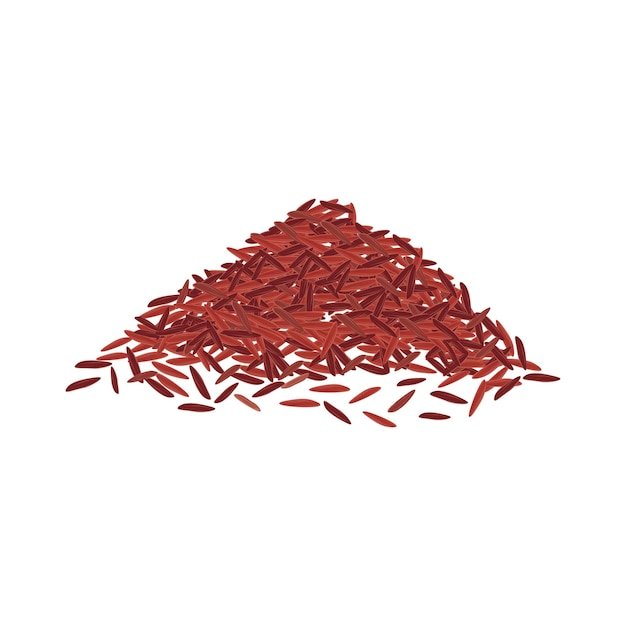
Red yeast rice is made by fermenting rice with a specific strain of yeast called Monascus purpureus. The result is a reddish-purple product used in China for centuries, not only as a food coloring agent but also as a medicinal element. Modern analysis reveals that the potent compounds within it, particularly monacolin K, are akin to those used in certain cholesterol-lowering medications, such as lovastatin.
However, the concentration of these beneficial compounds can vary significantly among different red yeast rice products. This variability means that while one supplement might offer noteworthy levels of these compounds, another might not have enough to make a discernible difference.
Potential Heart Benefits
Research has associated red yeast rice with positive effects on cholesterol levels. The monacolin K it contains may function similarly to statins, potentially lowering LDL cholesterol and thus contributing to heart health. This attribute makes it an attractive option for those unable to tolerate prescription statins due to side effects.
Studies generally indicate:
Potential reduction in LDL cholesterol.
Improved heart health markers.
Natural alternative to conventional medications.
But, it’s essential to approach red yeast rice as part of a broader lifestyle modification strategy, which includes heart-healthy diets, physical activity, and routine medical consultations.
Safety Considerations
While exploring red yeast rice, it’s crucial to consider safety. Since it functions similarly to statins, the risks may overlap. Experts note potential side effects such as muscle pain and digestive issues. Furthermore, quality control can be challenging; not all products meet safety standards due to varying levels of active compounds.
A critical step is consulting healthcare providers, particularly if you’re already on cholesterol-lowering medications, ensuring no harmful interactions occur. Pregnant or breastfeeding women should generally avoid these supplements as a precaution.
Choosing Quality Supplements
In choosing red yeast rice supplements, opt for products from reputable brands that offer transparency about their content. Reading labels for standardized levels of monacolins and purchasing from credible sources can help ensure both the effectiveness and safety of the supplement.
Avoid products that list undefined ‘proprietary blends’ without specifying the amount of active ingredients. Trustworthy certifications and third-party testing can also be invaluable guides.
Integrating with Lifestyle
Incorporating red yeast rice can be part of a holistic approach to heart health, where diet plays a central role. Complement it with a diet rich in fruits, vegetables, whole grains, and lean proteins. This comprehensive dietary approach encourages not only heart health but overall well-being.
Complement with:
Regular physical activity.
Routine health check-ups.
Mindful stress management practices.
Remember, no supplement can substitute for healthy lifestyle changes or professional medical advice.
Simple Daily Takeaways
Red yeast rice has potential heart health benefits due to compounds like monacolin K.
Consult healthcare professionals before starting, especially if taking other medications.
Choose high-quality supplements from reputable brands.
Incorporate as part of a balanced diet and lifestyle, not as a standalone solution.
Sources
Is Red Yeast Rice Effective for Heart Health? – National Institutes of Health