
Magnesium: Mineral Essence for Relaxation
As the years accumulate, our bodies become well-versed in life’s complexities, yet they also start sending us subtle signals. A feeling of restlessness, sporadic energy slumps, or unexpected muscle tension might ring a bell. These aren’t just passing quirails’they could be whispers from your body asserting the need for something fundamental yet often overlooked: magnesium.
Think of magnesium as an unsonged hero of wellness. This humble mineral is a crucial player in over 300 biochemical reactions within your body. From maintaining nerve function to regulating muscle tension and supporting immune health, magnesium’s roles are significant. But perhaps its most enticing attribute is its natural capacity to contribute to relaxation and calm’a benefit that becomes increasingly appealing as we age.
In the quest for tranquility amidst a bustling world, magnesium emerges not as a miraculous cure but as a trusted ally. Let’s delve into how this mighty mineral can facilitate relaxation and enhance your well-being.
Understanding the Relaxation Connection
To truly appreciate magnesium’s role in relaxation, consider its impact on the nervous system. Research suggests that magnesium helps to regulate neurotransmitters, which are chemicals that transmit messages between nerve cells. Specifically, it supports gamma-aminobutyric acid (GABA), an inhibitory neurotransmitter widely recognized for its calming effects on the brain.
Moreover, magnesium plays a critical role in muscle function through its interaction with calcium. While calcium stimulates muscle fibers to contract, magnesium aids in their relaxation. As a result, sufficient magnesium intake can help to reduce muscle tension and promote a sensation of tranquility, making it a potential asset for those enduring chronic stress or muscle discomfort.
Aging and Nutritional Needs
With age, our nutritional dynamics shift. Several factors, including decreased digestive efficiency or medication use, can influence how our bodies process and absorb nutrients. Consequently, it is not uncommon for older adults to exhibit magnesium inadequacy, which can manifest as fatigue, muscle cramps, or sleep disturbances.
Aging kidneys may excrete more magnesium.
Diets lower in fruits and vegetables can limit magnesium intake.
Increased reliance on processed foods typically reduces mineral consumption.
Addressing these dietary gaps proactively, whether through whole foods or advised supplementation, might make a remarkable difference in your overall sense of well-being.
Embracing Magnesium-Rich Foods
Enhancing your magnesium intake doesn’t require a complete dietary overhaul. Incorporating certain nutrient-dense foods can be both delightful and effective. Leafy greens such as spinach and kale, nuts and seeds like almonds and pumpkin seeds, and even dark chocolate are all excellent sources. Other options include avocados, bananas, and fatty fish like mackerel and salmon.
Include magnesium-rich beans, lentils, and whole grains in meals.
Snack on magnesium-loaded nuts and seeds between meals.
Opt for omega-rich fish a couple of times per week.
These choices not only boost magnesium levels but also support broader nutritional health.
Natural Relaxation Practices
Incorporating magnesium is just one aspect of fostering relaxation. Complementary practices can further enrich your quest for calm. Gentle exercise, such as yoga or tai chi, encourages muscle relaxation and mental clarity. Meditation and deep-breathing exercises can also align well with magnesium’s calming effects on the nervous system, enhancing relaxation.
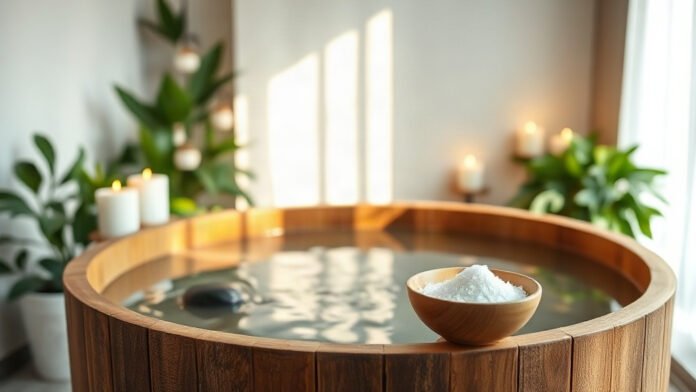
A warm bath with Epsom salts, which contain magnesium sulfate, provides dual benefits’soothing tired muscles and allowing for mineral absorption through the skin. Coupling these practices with a dietary focus on magnesium may support a holistic path to relaxation.
Simple Daily Takeaways
Recognize the signs that your body may benefit from additional magnesium.
Incorporate magnesium-rich foods into your diet to enhance relaxation.
Consider complementary relaxation methods such as yoga and meditation.
Opt for Epsom salt baths to enjoy magnesium’s soothing properties.
Consult with a healthcare provider to discuss personalized magnesium needs.

