
Micronutrients: Small Doses, Big Health Impacts
At some point after 40, you might notice subtle, yet significant, changes in your body. Perhaps your skin doesn’t have the same glow, or your energy levels are not what they used to be. You might be wondering if these changes are just part of aging. While aging is natural, the role of micronutrients in supporting a vibrant and energetic life cannot be understated.
Micronutrients, although required in trace amounts, play a critical role in your overall health. These important nutrients, including vitamins and minerals, are associated with the maintenance of high energy levels, strong immune systems, and mental clarity. But how can such small doses have such impactful benefits?
Understanding how micronutrients perform their magic in your body can be empowering. By exploring how they work and where to find them, you can make informed choices that support well-being as you gracefully age.
What Are Micronutrients?
Micronutrients are essential compounds needed in small quantities for proper body functioning. Unlike macronutrients, which include proteins, fats, and carbohydrates, micronutrients do not provide calories. However, they support critical roles in metabolic pathways and physiological functions.
They encompass vitamins, like Vitamin C and D, and minerals such as zinc and iron. Each micronutrient has unique responsibilities. For example, research suggests that Vitamin D is crucial for bone health, while B vitamins are key players in maintaining energy metabolism.
Recognizing When You Might Need More
As we age, the body’s ability to absorb certain nutrients declines. This natural part of aging can lead to deficiencies, even with a balanced diet. Signs of deficiency might include:
Increased fatigue or slower recovery times.
Changes in skin texture or slower wound healing.
Difficulty concentrating or frequent memory lapses.
Consulting a healthcare professional to determine nutrient levels can be an effective step in addressing these potential deficiencies.
Sources of Micronutrients
Incorporating a variety of foods into your diet can help ensure you obtain an array of micronutrients:
Citrus fruits and leafy greens for Vitamin C.
Dairy and fortified cereals for calcium and Vitamin D.
Whole grains and nuts for magnesium and zinc.
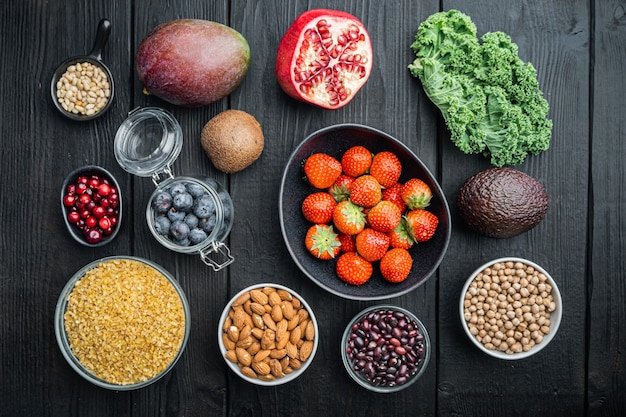
Eating a rainbow of foods ensures you cover all bases, which is often more effective than simply relying on supplements. Plus, whole foods offer additional benefits such as fiber and antioxidants.
The Leadership Role of Micronutrients in Cellular Health
Consider micronutrients like the unsung heroes in your bodily processes. Experts note they serve as cofactors for enzymes, meaning they help catalyze biochemical reactions essential for health. This role is invaluable, particularly in areas such as immune function where zinc may support the production of white blood cells and in brain health where omega-3 fatty acids are beneficial for cognitive maintenance.
Furthermore, these tiny nutrients aid in maintaining healthy skin and eyes, protecting your body from oxidative stress, and supporting heart health.
Incorporating Micronutrients into Your Lifestyle
Optimizing your diet to include a diversity of nutrient-rich foods is a practical approach to ensuring you receive adequate micronutrients.
Cultivate a balanced plate with a mix of protein, vegetables, and whole grains.
Plan meals that include at least 3࢒¬’5 servings of vegetables and fruits daily.
Stay hydrated to help your body absorb and use these nutrients effectively.
Regularly engaging with these habits can have a lasting impact on your health and vitality, regardless of age.
Simple Daily Takeaways
Micronutrients may be small in size, but their role in maintaining health, especially as you age, is immense.
Understand the need for micronutrients and recognize signs of potential deficiencies.
Focus on a colorful, varied diet for comprehensive nutrient intake.
Consider consulting a healthcare provider for personalized advice.
These strategies can make all the difference in how you feel and function every day, offering you the vitality to enjoy life fully.