
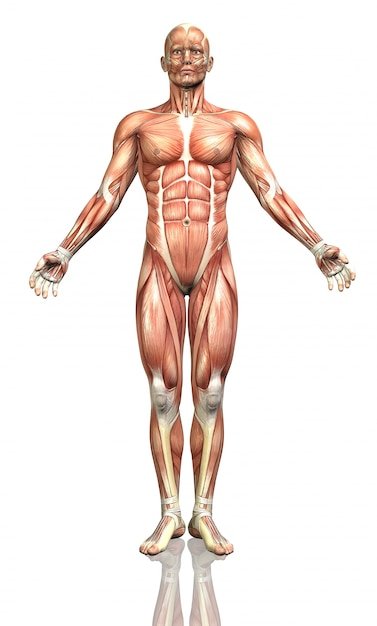
Muscular System: Power Behind Every Move
As we journey through our forties and beyond, the rhythmic cadence of life often outpaces the resilience of our bodies. We find ourselves confronting the lingering shadow of fatigue, the echo of a creaky joint, or a sudden, inexplicable stall in our once reliable metabolism. These subtle hints are not merely whispers of time passing, but rather reminders of the muscular system࢒¬’¢s pivotal yet underappreciated role in our lives.
Picture a day where every step feels light, every stretch effortless, and every moment of exertion results in a gratifying sense of strength. It’s not a fantastical vision but a tangible possibility when we harness the enduring power of our muscles. Understanding and nurturing our muscular system can transform our everyday movements and elevate the quality of our lives.
This article ventures into the core of what propels us forward࢒¬’the muscular system. We࢒¬’¢ll explore its wonders, reveal its secrets, and offer insights into keeping this powerhouse at its robust best. Join us on a journey that promises not just knowledge but practical wisdom for embracing strength in the years ahead.
The Silent Architect: Understanding Muscle Composition
The human body houses more than 600 muscles, each integral to maintaining posture, enabling movement, and even facilitating vital bodily functions like circulation and digestion. These muscles comprise three distinct types: skeletal, cardiac, and smooth. While cardiac muscles are dedicated to keeping our heart beating, and smooth muscles manage internal processes like digestion, it’s the skeletal muscles that partner with our bones to turn intention into action.
Skeletal muscles, the dynamic workhorses of our bodies, attach to bones via tendons. They function on a simple principle: contraction and relaxation, driven by the orchestration of the nervous system. This complex interplay allows us to wave a hand, step forward, or catch a breath.
Skeletal Muscles: Key players in voluntary movement.
Cardiac Muscles: Exclusive to the heart’s functioning.
Smooth Muscles: Involved in automatic functions within our internal organs.
Age Gracefully: Muscle Mass and Strength
As we advance in years, our muscle mass naturally diminishes, a phenomenon known as sarcopenia. Experts note that this reduction can begin as early as the thirties, with notable impacts becoming apparent in subsequent decades. However, it’s not a dire inevitability, but rather a call to action.
Research suggests that regular resistance training and strength exercises can mitigate muscle loss and even promote muscle growth at any age. Incorporating activities like weightlifting, yoga, or pilates not only preserves muscle mass but also enhances balance, coordination, and overall energy levels࢒¬’buffers against the natural decline.
Nourish to Flourish: Nutrition’s Role
Nurturing the muscular system is not merely an external endeavor but an internal one as well. Nutrition plays a crucial role in muscle maintenance and growth. A protein-rich diet is especially beneficial, as protein supplies the amino acids necessary for muscle repair and regeneration.
Moreover, experts note the value of maintaining adequate levels of vitamin D and calcium for bone health, which supports muscular function. Incorporating a variety of colored vegetables, healthy fats, and whole grains can foster a balanced diet that supports your muscles and enhances their function.
Protein Sources: Lean meats, fish, beans, and nuts.
Important Vitamins: Vitamin D, calcium, and magnesium.
Balanced Diet: Includes a variety of nutrients for overall health.
Mental Connection: Mind and Muscle
The link between our psychological well-being and muscle function is profound and deeply intertwined. Stress, anxiety, and fatigue can significantly weaken muscular performance and recovery. Conversely, positive mental states can enhance our ability to perform physical tasks and support muscle health.
Practices such as meditation, mindfulness, and deep-breathing exercises may support overall muscle health by reducing mental stress and promoting relaxation. A well-rested mind is well-positioned to command a resilient body.
Simple Daily Takeaways
Engage in regular strength training to counteract age-related muscle loss.
Adopt a balanced diet rich in protein, vitamins, and minerals to support muscle health.
Incorporate mindfulness and relaxation techniques to promote overall well-being and muscle function.
Stay informed and proactive about nutritional needs to nurture both muscle and bone health.
Recognize the integral relationship between mental health and muscular strength.