
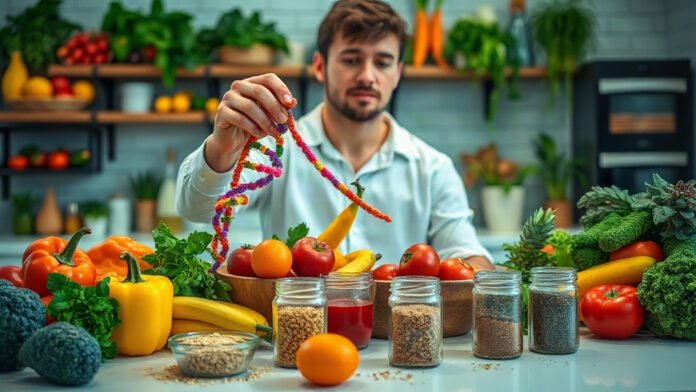
Nutritional Genomics: Personalized Diet Revolution
Imagine starting your day with a breakfast that does more than satisfy hunger; it speaks to your very DNA. For adults over 40, navigating the often murky waters of nutritional advice can feel overwhelming. Nutritional genomics, a burgeoning field, offers a beacon of hope by merging the science of nutrition with genetic insights, potentially guiding us to food choices that resonate with our unique biological makeup.
Even as this concept gains traction, the idea of a diet designed just for you is both exciting and daunting. The promise of tailoring nutrition based on genetic understanding suggests a future where food not only fuels but optimizes health. For many, this could alleviate the frustration of diets that fail to yield results, offering a more personalized roadmap to wellness.
But how does this revolutionary approach work? What implications does it hold for those of us in our mid-life journey? Let࢒¬’¢s delve into the essence of nutritional genomics and uncover its potential to transform our health.
Understanding Nutritional Genomics
As the name suggests, nutritional genomics is where nutrition and genetics converge. This science holds that our genetic makeup influences how we process nutrients, and conversely, how our diet impacts gene expression. It’s not just what we eat, but how our bodies respond, dictated by our genes.
Genetic variations can affect our susceptibility to vitamin deficiencies or how efficiently we metabolize different food components. For example, research suggests that certain genetic markers may predispose individuals to better absorb iron or metabolize caffeine, shaping unique dietary needs.
Why It Matters for Adults Over 40
Aging brings about a host of physiological changes ࢒¬’ metabolism slows, muscle mass can decrease, and energy levels may shift. Additionally, the prevalence of diet-related conditions, such as type 2 diabetes and cardiovascular diseases, often increases with age.
Here࢒¬’¢s where nutritional genomics becomes particularly relevant. By identifying genetic predispositions, a personalized dietary plan can help mitigate these age-related challenges, potentially enhancing healthspan and quality of life.
Identifying lactose intolerance and adjusting dairy intake accordingly.
Recognizing a predisposition to high cholesterol and managing it through refined dietary choices.
Tailoring antioxidant intake based on genetic needs to support skin health.
The Practical Steps to Personalization
While the science is still evolving, practical applications are emerging. Genetic testing companies now offer kits that analyze DNA from a simple cheek swab, generating reports with personalized dietary advice. However, experts note that these recommendations should be seen as a complement to, not a replacement for, professional guidance from dietitians or healthcare providers.
For many, these insights can be the missing puzzle piece, guiding choices about macronutrient ratios or micronutrient supplementation. Still, it࢒¬’¢s essential to approach this information critically, considering it as part of a holistic approach to wellness.
Potential and Limitations
While nutritional genomics holds promise, it࢒¬’¢s crucial to balance optimism with skepticism. The science, while rapidly advancing, is in its nascent stages and offers more insights into disposition than definitive action plans.
Results can be varied; not all genetic influences on health and diet are fully understood.
Environmental factors, lifestyle choices, and overall diet play significant roles that genetics alone cannot dictate.
Genomic insights should be integrated with current health conditions and lifestyle factors by professionals.
Simple Daily Takeaways
Consider consulting with a healthcare provider before embarking on genetic testing for nutritional insights.
Integrate test results with broader wellness strategies ࢒¬’ don’t isolate them.
Focus on balanced, wholesome foods while considering genetic guidance.
Stay informed about advancements in nutritional genomics as the field grows.