
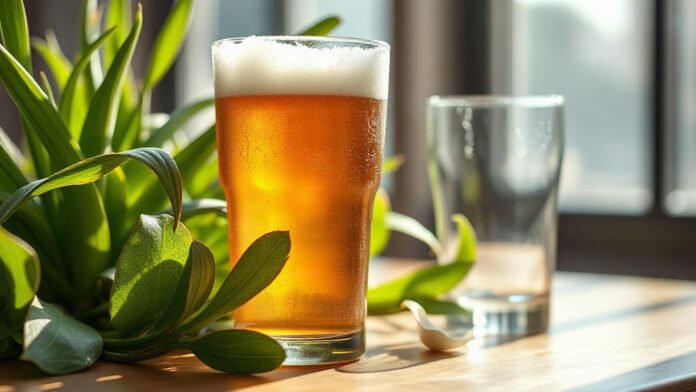
Even moderate alcohol consumption dramatically increases cancer rates after 35.
KEY STATISTICS
- Adults who drink one alcoholic beverage daily have a 13% higher cancer risk than non-drinkers
- Women consuming just half a drink per day show 9% increased breast cancer rates
- Each additional daily drink raises liver cancer risk by 22% in adults over 35
You finish dinner with a glass of wine, thinking it’s heart-healthy and helps you unwind. Recent research reveals that even this modest daily habit significantly increases your cancer risk. For adults over 35, the stakes are higher than ever.
How Alcohol Damages Cells
Alcohol breaks down into acetaldehyde, a toxic compound that damages DNA and proteins in your cells. This cellular damage accumulates over time, particularly affecting breast tissue, liver cells, and the digestive tract.
Your body’s ability to process and repair this damage naturally declines with age. The enzymes responsible for breaking down alcohol become less efficient after 35, allowing harmful compounds to linger longer in your system.
Cancer cells thrive in environments with chronic inflammation and oxidative stress. Regular alcohol consumption creates exactly these conditions, even at moderate levels that were once considered safe.
Why Age Thirty-Five Matters
Adults in their late thirties experience significant changes in metabolism and cellular repair mechanisms. Your liver’s detoxification capacity decreases by approximately 1% each year after age 35.
Hormonal shifts during this decade make tissues more vulnerable to carcinogens. Women entering perimenopause face elevated estrogen fluctuations that alcohol can worsen, directly feeding hormone-sensitive cancers.
The cumulative effect of years of moderate drinking becomes apparent during this age range. What seemed harmless in your twenties now carries serious long-term consequences for cellular health.
Warning Signs to Monitor
- Persistent fatigue that worsens with alcohol consumption
- Unexplained digestive issues or bloating after drinking
- Sleep disruption even from small amounts of alcohol
- Skin changes including redness or premature aging
- Increased frequency of minor illnesses or slower recovery
Safer Drinking Strategies
Complete abstinence offers the greatest cancer protection, but even reducing consumption provides measurable benefits. Cutting your intake in half can reduce cancer risk by up to 7%.
Choose alcohol-free alternatives during weeknight dinners and save drinking for special occasions. Mocktails, sparkling water with fruit, or herbal teas can satisfy the ritual without the risk.
When you do drink, pair alcohol with substantial meals rich in antioxidants. Foods high in vitamin C and E can help neutralize some of the oxidative damage from alcohol metabolism.
Your Reduction Action Plan
- Track your current alcohol consumption for one week
- Replace weeknight drinks with herbal teas or sparkling water
- Limit alcohol to no more than 3-4 occasions per week
- Choose red wine over spirits when drinking (higher antioxidants)
- Take a 30-day alcohol break every quarter to reset tolerance
The Sleep Connection
Sleep quality dramatically improves when you reduce alcohol intake, even from moderate levels. Alcohol disrupts REM sleep cycles and prevents deep restorative sleep that’s crucial for DNA repair.
Many adults over 35 unknowingly use alcohol to manage stress and anxiety. Developing alternative stress management techniques like meditation, exercise, or breathing exercises becomes essential for long-term health.
Hydration status affects how efficiently your body processes alcohol. Chronic mild dehydration, common in busy adults, makes alcohol’s toxic effects more pronounced and longer-lasting.
Bottom Line
The evidence is clear: there is no completely safe level of alcohol consumption when it comes to cancer risk. For adults over 35, even moderate drinking significantly increases the likelihood of developing breast, liver, and colorectal cancers. The best protection is reducing or eliminating alcohol while focusing on proven cancer-fighting lifestyle habits.
Always consult a qualified healthcare provider before making changes to your health routine.
Sources
- Alcohol consumption and cancer risk — JAMA Oncology
- Light alcohol drinking and cancer — BMJ
- Alcohol metabolism and aging — Harvard Health Publishing

