
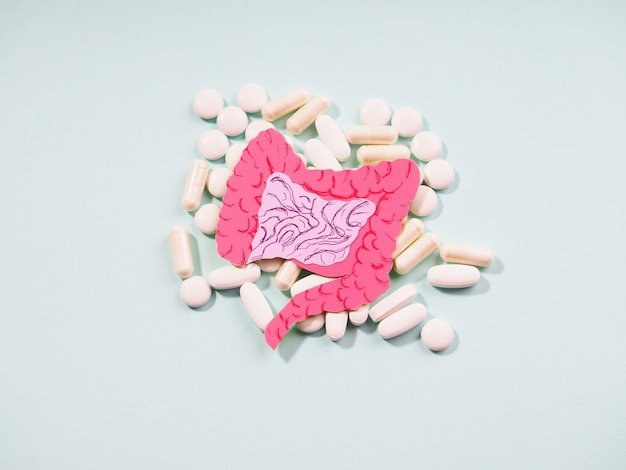
Probiotics: Gut Health Game Changers
As we gracefully navigate our 40s and beyond, maintaining our health becomes centered more on harmony than hustle. Many adults start to notice subtle shifts ࢒¬’ a sluggish afternoon slump, digestive upsets, or even subtle changes in our skin. The secret to managing these changes might just lie in the tiny, living organisms that call our digestive systems home: probiotics.
You࢒¬’¢ve likely heard about how these beneficial bacteria can aid digestion and boost the immune system. But what makes them a potential game-changer specifically for those of us over 40? It turns out that research suggests probiotics can serve as a vital component in balancing age-related fluctuations and promoting overall wellbeing.
In this article, we࢒¬’¢ll explore how probiotics affect different aspects of health, particularly as we age. We࢒¬’¢ll delve into their roles in our digestive ecosystem, their surprising impact on mental clarity, and even how they might support glowing skin. Imagine transforming your daily routine with these living allies, and exploring a path to feeling more vibrant each day.
Understanding Probiotics and the Gut Ecosystem
Probiotics are live microorganisms that, when consumed in adequate amounts, confer health benefits to the host. They reside mainly in our gut, where they form a symbiotic relationship with our bodies, aiding in digestion, nutrient absorption, and even playing a role in immune function. Over time, the balance of these bacteria can be disrupted by age, diet, stress, and medication.
After 40, the natural diversity of our gut microbiota tends to decline, which can be associated with digestive discomfort, slower metabolism, and even increased susceptibility to infections. By replenishing beneficial bacteria through dietary sources or supplements, you can help maintain this delicate balance. Experts note that this can support regular digestion and potentially moderate age-related metabolic changes.
Boosting Energy and Mental Clarity
Cognitive sharpness and energy levels are often top concerns for adults over 40. Interestingly, the connection between gut health and brain function is an area of growing scientific interest. The gut-brain axis is a complex network involving direct and indirect pathways that link emotional and cognitive centers of the brain with peripheral intestinal functions.
Research suggests that certain strains of probiotics may influence the production of neurotransmitters such as serotonin, which can impact mood and cognition. While results are still emerging, supporting gut health with probiotics might offer a supplementary strategy for maintaining mental clarity and emotional balance as we age.
Supporting Skin Health from the Inside Out
The skin is often a reflection of internal health, and changes in gut microbiota can be associated with various skin conditions. Probiotics may support skin health by influencing systemic inflammation and promoting a balanced immune function.
Strengthening the skin barrier function to retain moisture and protect against irritants.
Potentially reducing the severity of acne and rosacea by modulating inflammatory pathways.
Enhancing the skin࢒¬’¢s natural glow by improving overall metabolic health.
For adults over 40, embracing probiotics may help counteract some of the visible signs of aging, offering a more vibrant complexion.
Choosing the Right Probiotics
With numerous probiotic strains available, selecting the right one can be overwhelming. It’s important to choose products backed by research rather than marketing hype. Pay attention to:
Strain-specificity: Different strains offer different benefits. For example, Lactobacillus and Bifidobacterium species are widely researched.
Colony-forming units (CFUs): Higher CFUs don࢒¬’¢t always mean better. The adequate dose depends on the specific strain and its intended use.
Third-party testing: Ensure quality and potency through independent verification.
Consult with a healthcare provider to tailor probiotic choices to your unique health profile.
Simple Daily Takeaways
Incorporate probiotics through fermented foods like yogurt, kefir, and sauerkraut or through quality supplements.
Balance your diet with prebiotic-rich foods like garlic, onions, and bananas to support probiotic growth.
Listen to your body ࢒¬’ keep track of how incorporating probiotics affects your energy, mood, and digestion over time.