
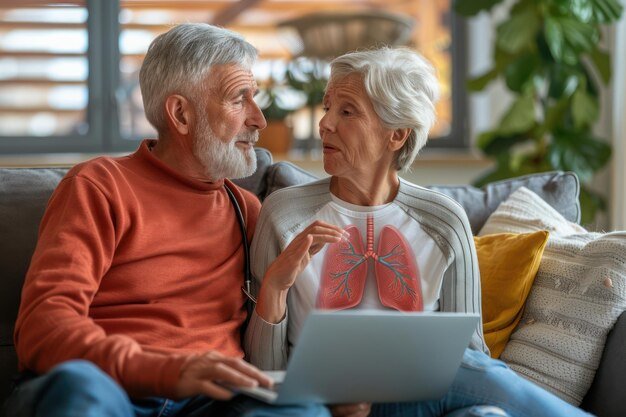
Has the simple act of breathing recently caught your attention? If so, you are not alone. Many adults over 40 are becoming more aware of their respiratory health as subtle changes creep up over the years. This curiosity is a natural counterpart to the realities of aging. Our lungs, dependable as they are, undergo changes akin to many other parts of our bodies. But these changes are not something to fear࢒¬’they are simply a new facet of our dynamic health journey.
Breathing, a fundamental yet often overlooked process, can become a conscious focal point as the years roll by. This everyday activity, once automatic, may start demanding more of our awareness. Feelings of breathlessness during activities that previously posed no challenge may arise, pushing us to reconsider our routine and health practices.
Understanding the nuances of lung health after 40 can empower us to make informed decisions, encouraging a partnership with our respiratory system rather than a struggle. By exploring the shifts that naturally accompany aging, along with strategies to support respiratory vitality, we can embrace these changes with grace and confidence.
Understanding Age-Related Lung Changes
Research suggests that, like all parts of our anatomy, the respiratory system undergoes several transformations over time. The elasticity of lung tissues diminishes, reducing the respiratory capacity that was once readily abundant. Additionally, the diaphragm, a crucial muscle for breathing, can weaken, leading to less efficient inhalation and exhalation.
These changes mean lungs might not fill or empty as fully, impacting overall oxygen intake. For individuals over 40, this can translate into reduced stamina or more frequent shortness of breath during physical activities. Recognizing these signs as part of a natural aging process can alleviate undue concerns and foster proactive health management strategies.
Everyday Scenarios Affecting Breathing
Everyday life involves multiple scenarios where respiratory strength is paramount. Climbing stairs, carrying groceries, or even engaging in conversation can become unexpectedly taxing. Such instances aren࢒¬’¢t just reminders of age, but opportunities to reassess current lifestyle practices.
Physical exertion, like exercise or house chores, may cause increased shortness of breath.
Exposure to respiratory irritants such as dust or smoke may become more noticeable.
Air quality, indoors and outdoors, can significantly influence breathing comfort and efficiency.
Paying attention to these factors allows us to adjust accordingly࢒¬’whether that means modifying physical tasks, optimizing home air quality, or advocating for cleaner community air policies.
Strategies for Respiratory Support
While aging is inevitable, several daily practices can help maintain and even enhance lung function. Experts note that conscious breathing exercises, for instance, can be beneficial. These exercises foster lung capacity and efficiency by promoting deep breathing and prolonged exhalation.
Regular physical activity also plays a pivotal role. Cardiovascular exercises, such as walking, swimming, or cycling, help maintain optimal lung health. Moreover, managing weight can ease the workload on lungs, while hydration ensures mucus remains thin and airways clear.
Incorporate daily breathing exercises, such as diaphragmatic or pursed-lip breathing.
Engage in regular aerobic exercise to boost cardiovascular and respiratory resilience.
Prioritize a diet rich in antioxidants to support lung tissue health and overall vitality.
Listening to Your Breath
As with any health-related changes, it is crucial to remain attuned to what your body communicates. Shifts in respiratory patterns, such as chronic shortness of breath, wheezing, or persistent coughing, warrant professional evaluation. These signs might suggest the need for medical advice beyond lifestyle adjustments.
Regular check-ups with healthcare providers can ensure issues are addressed early, particularly if there is a history of respiratory concerns or chronic conditions. Such proactive measures aid in navigating this natural stage of life with an informed, calm approach.
Simple Daily Takeaways
Lung changes occur naturally with age; recognize and adapt to these shifts.
Incorporate breathing exercises and cardiovascular activities into your routine.
Monitor air quality and mitigate exposure to respiratory irritants.
Keep open communication with healthcare professionals about respiratory health.