
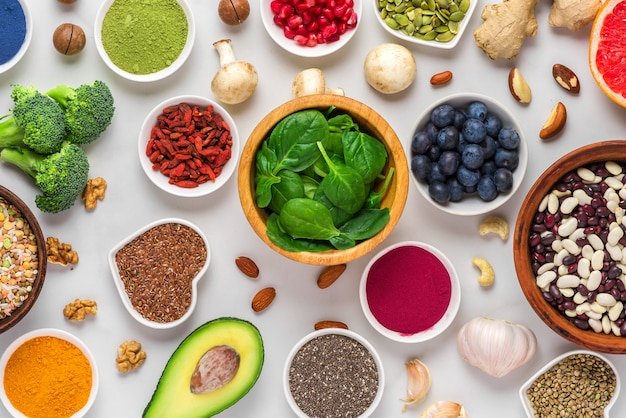
Superfoods: Myth, Marketing, or Miracle?
Imagine walking down the grocery aisle, your eyes skimming over packages emblazoned with vibrant labels and charismatic claims: “Boosts vitality!” “Rich in antioxidants!” “Supports heart health!” Such is the allure of superfoods ࢒¬’ those ostensibly miraculous ingredients promising a bounty of health benefits. Yet, behind the marketing dazzle, many adults over 40 pause and wonder: are superfoods the secret to well-being, or simply a myth enhanced by savvy marketing?
At this pivotal stage of life, when energy ebbs and health priorities shift, the quest for vitality feels ever more pressing. Superfoods, with their promise of nutritional abundance, become a tempting solution. However, with an overwhelming chorus of both enthusiastic endorsements and skeptical rebuttals, how does one discern the practical truths hidden among the claims?
To arrive at a more grounded understanding, let’s delve into the concept of superfoods, scrutinize their potential benefits, and address the swirling ambiguities ࢒¬’ providing you with a balanced perspective.
Understanding the Essence of Superfoods
What exactly are superfoods? The term finds its roots less in scientific legitimacy and more in marketing linguistics. The notion is centuries-old, yet the dazzling variety available now constitutes a vast array of plant-based foods believed to be nutritionally dense. Think kale, quinoa, chia seeds, and acai berries: each hailed for an alleged superlative nutrient profile.
Nutrition experts often note that while consuming such foods can contribute advantages to diet diversity, the ‘super’ status can sometimes overshadow the simplicity of maintaining a balanced diet. There’s no substitute for whole, unprocessed varieties of fruits and vegetables, whether or not they’re crowned as superfoods.
Potential Benefits: Fact vs. Fiction
The potential benefits of superfoods often span both undisputed truths and ambitious promises. Research suggests that foods like blueberries are rich in antioxidants, substances that may support mechanisms for neutralizing harmful free radicals in your body. Similarly, fatty fish such as salmon are associated with numerous heart health benefits due to their omega-3 content.
However, it’s essential to contextualize these advantages within the broader scope of dietary habits. Integrating superfoods as part of a diet rich in variety can enhance nutritional intake but relying solely on them without considering overall dietary patterns may not yield the miraculous results some might expect.
The Marketing Hype and Consumer Savvy
The marketing of superfoods often outpaces the scientific evidence supporting their benefits. Many adults over 40 find themselves navigating a minefield of advertised claims, unsure which to trust. Experts note that while superfoods can be beneficial, it’s critical to approach them with a discerning eye and question the reality beyond the label ࢒¬’ especially when studies on the most celebrated superfoods, like acai berries or spirulina, often remain limited or conflicting.
To make informed choices, look for peer-reviewed studies supporting any health claims and consider consulting with a registered dietitian who can provide personalized advice free from marketing spin.
Integrating Superfoods into Your Lifestyle
If you choose to incorporate superfoods into your routine, approach it as part of a comprehensive dietary lifestyle rather than a quick fix. Here are several practical ways:
Add Variety: Use superfoods to add color and texture to meals. Sprinkle chia seeds over yogurt, blend kale into smoothies, or simply enjoy a handful of nuts as a nutrient-dense snack.
Consider Local Options: Foods like sweet potatoes or apples, often overlooked for their exotic counterparts, are locally available and provide impressive nutritional benefits.
Stay Balanced: Ensure that your diet consists of a wide variety of fruits, vegetables, lean proteins, and whole grains. Superfoods are beneficial, but they are not the full story.
Simple Daily Takeaways
Focus on a diverse and balanced diet for optimal health benefits.
Be open to integrating superfoods, but from a place of knowledge and moderation.
Maintain a healthy skepticism toward exaggerated health claims and instead seek verified sources.