
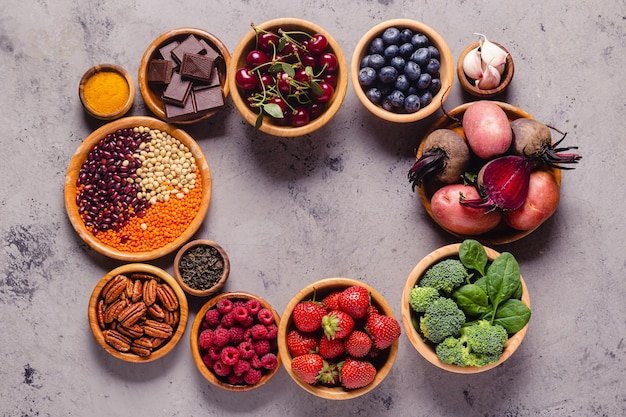
As we move beyond the age of 40, many of us begin to notice subtle changes in our bodies. These shifts can manifest in various ways, from slightly less radiant skin to a dip in energy levels. Fortunately, nature offers a powerful ally to support our journey through these changes: antioxidants. These precious compounds, abundant in whole foods, can be a key part of maintaining vitality and wellness.
The allure of antioxidants often comes with a promise of rejuvenation and defense against the march of time. But what exactly are these compounds, and how can they benefit us as we age? By exploring the breadth of antioxidant-rich whole foods, we can uncover simple, actionable steps to enhance our well-being.
In the following sections, we’ll demystify antioxidants, highlight their sources, and discuss their potential benefits, particularly for those navigating the transformative years beyond 40. Through this, you’ll find practical guidance on integrating these nutritional powerhouses into your daily life.
The Dynamic Role of Antioxidants in Health
At the core of antioxidant function is their ability to neutralize free radicals ࢒¬’ unstable molecules that can damage cells. This damage is associated with aging and various chronic conditions.
Research suggests that antioxidants can contribute to a defense system within our bodies, potentially reducing oxidative stress. Such stress, if unchecked, may accelerate cellular wear, highlighting the value of regularly consuming antioxidant-rich foods.
For adults over 40, incorporating antioxidants from whole foods is not just about disease prevention. It’s about maintaining a quality of life that enables you to continue doing the activities you love with vigor and enthusiasm.
Identifying the Best Antioxidant-Rich Whole Foods
A variety of fruits, vegetables, nuts, and even beverages stand out as excellent sources of antioxidants. Here are some foods to consider integrating into your diet:
Berries: Blueberries, strawberries, and raspberries boast high levels of flavonoids, compounds known for their antioxidant properties.
Dark Leafy Greens: Spinach and kale are rich in vitamins A and C, both critical in combating oxidative stress.
Nuts and Seeds: Walnuts and flaxseeds contain vitamin E, an antioxidant that may support skin health.
Tea and Coffee: Surprisingly, these popular beverages are packed with polyphenols, another class of antioxidants.
Colorful Vegetables: Foods like carrots and sweet potatoes are rich in beta-carotene, a potent antioxidant.
By diversifying your diet with these foods, you not only embrace the potential benefits of antioxidants but also enjoy a spectrum of tastes and colors that can make each meal a delight.
How Antioxidants May Support Skin and Energy Levels
The visible effects of aging often first appear on the skin. Antioxidants are associated with promoting a more youthful appearance by supporting the skin’s structure and resilience.
Furthermore, some studies hint at a relationship between antioxidants and improved energy levels. By reducing oxidative stress, there’s a potential for these compounds to support more efficient cellular energy production ࢒¬’ a welcome benefit for those looking to counteract mid-day slumps.
Integrating Whole Foods into Daily Routines
The path to a diet rich in antioxidants doesn’t have to be complex. Small changes can lead to a substantial impact on your antioxidant intake:
Start your day with a mixed berry smoothie for a refreshing antioxidant boost.
Include a side of leafy greens in your lunch or dinner.
Swap snacks with antioxidant-packed nuts and seeds.
Enjoy a cup of green tea in the afternoon, embracing both its soothing effect and antioxidant potential.
Add variety to meals by trying new fruits and vegetables each week.
These adjustments not only increase your antioxidant intake but also bring a fresh and exciting variety to your diet.
Simple Daily Takeaways
Diversify your diet with antioxidant-rich whole foods like berries, green leafy vegetables, nuts, and seeds.
Incorporate at least one antioxidant-rich food item into each meal.
Opt for beverages like tea and coffee that also offer antioxidant benefits.
Focus on natural food sources rather than supplements for antioxidant benefits.