
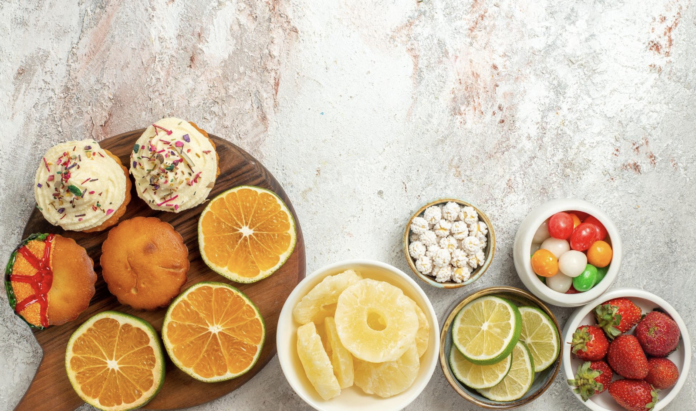
Your daily vitamin C tablet may be doing far less than the food on your plate.
KEY STATISTICS
- Research published in the American Journal of Clinical Nutrition found that vitamin C from whole foods is absorbed up to 35% more efficiently than isolated ascorbic acid supplements.
- Adults over 35 have measurably higher oxidative stress levels than younger adults, increasing their daily vitamin C requirement significantly.
- The NIH reports that nearly 46% of American adults do not meet their recommended daily vitamin C intake through diet alone.
You take your vitamin C tablet every morning and assume you are covered. But emerging nutrition science suggests that the vitamin C locked inside real food delivers a meaningfully different result inside your body than the isolated compound sitting in a capsule. Understanding why could change how you build your plate every single day.
Why Food Wins Biologically
Vitamin C — scientifically known as ascorbic acid — is a water-soluble antioxidant essential for collagen synthesis, immune function, and iron absorption. When you consume it in supplement form, you are getting a single isolated compound stripped of its surrounding biological context.
Whole foods containing vitamin C also deliver flavonoids, polyphenols, and phytochemicals that work alongside ascorbic acid to enhance absorption and extend its activity in the body. This synergy is called the food matrix effect, and it does not exist in a standard supplement tablet.
A study in the American Journal of Clinical Nutrition demonstrated that vitamin C from food sources such as kiwi and orange reaches peak plasma concentration faster and remains bioavailable longer than the same dose in supplement form. The difference is not trivial — it is a measurable gap in how much your cells actually receive and use.
Why Your 30s Change Everything
After the age of 35, the body’s baseline inflammatory load begins to rise gradually. This creates a higher demand for antioxidants like vitamin C simply to keep oxidative stress in check.
Collagen production also begins to slow in your mid-thirties, and vitamin C is a direct co-factor in collagen synthesis. Getting suboptimal amounts — even slightly — can accelerate the subtle changes in skin elasticity, joint cushioning, and tissue repair that many adults in this age group begin to notice.
Stress, poor sleep, and alcohol consumption — all common in the 35–45 demographic — further deplete circulating vitamin C levels. Relying solely on a supplement that delivers lower bioavailability than food is a strategy that leaves genuine gaps.
Warning Signs to Watch For
- Wounds or cuts that seem to heal more slowly than they used to
- Persistent fatigue that does not improve with rest or sleep
- Easy bruising on the skin with no clear cause
- Dry, rough, or dull skin that does not respond well to topical products
- Frequent colds or infections that seem harder to shake than in previous years
What Actually Helps
The practical shift here is straightforward: prioritise vitamin C through food first, and use supplements only to fill genuine gaps. The best dietary sources include red bell peppers, kiwi fruit, strawberries, broccoli, papaya, and citrus fruits — many of which deliver well above 100% of the daily recommended intake in a single serving.
Cooking methods matter more than most people realise. Vitamin C is heat-sensitive and water-soluble, which means boiling vegetables for extended periods can destroy a significant portion of their content. Steaming, roasting briefly, or eating these foods raw preserves far more of the nutrient.
A practical daily target is to include at least two to three vitamin C-rich foods across your meals rather than concentrating everything into one serving. Spreading intake across the day also supports more consistent plasma levels, since the body excretes excess vitamin C within a few hours rather than storing it.
Action Plan Checklist
- Add half a red bell pepper to lunch at least four days per week — one pepper delivers over 150% of the daily recommended vitamin C intake
- Swap your morning orange juice for a whole orange or two kiwi fruits to gain the fibre and food matrix benefits alongside the vitamin C
- Steam or lightly roast broccoli, Brussels sprouts, and cauliflower rather than boiling to preserve their vitamin C content
- If you do use a supplement, choose a whole-food-derived vitamin C product rather than pure ascorbic acid, and take it with a meal to improve absorption
- Track your dietary vitamin C intake for one week using a free nutrition app to identify where your genuine gaps actually are before reaching for a tablet
The Gut Absorption Factor
One frequently overlooked factor is the role of gut health in vitamin C absorption. If your gut lining is compromised — a condition sometimes called intestinal permeability — nutrient absorption from both food and supplements is reduced across the board.
Adults in the 35–45 age range who experience regular bloating, unpredictable digestion, or have taken repeated courses of antibiotics may have a compromised gut environment that limits how much vitamin C they actually absorb. In this case, improving gut health through fibre-rich foods and fermented foods is a prerequisite for getting the most from any nutrient source.
Adding probiotic-rich foods such as plain yoghurt, kefir, or fermented vegetables alongside your vitamin C-rich meals creates a compounding benefit — a healthier gut lining absorbs more of everything, including the antioxidants your body needs most after 35.
Bottom Line
Whole-food sources of vitamin C are not just a more natural option — they are measurably more effective at raising and sustaining the levels your body actually uses. Prioritising red bell peppers, kiwi, strawberries, and broccoli over a daily tablet is one of the simplest, most evidence-supported upgrades you can make to your nutrition after 35. Supplements have a role when diet genuinely falls short, but food should always come first.
Always consult a qualified healthcare provider before making changes to your health routine.
Sources
- Vitamin C bioavailability from food versus supplements — a comparative analysis — American Journal of Clinical Nutrition
- Vitamin C — Fact Sheet for Health Professionals — NIH Office of Dietary Supplements
- Dietary antioxidants and oxidative stress in aging adults — Harvard Health Publishing
- Ascorbic acid absorption and the food matrix effect in human nutrition — National Library of Medicine
- Collagen synthesis and the role of micronutrients across the lifespan — Mayo Clinic