
Introduction
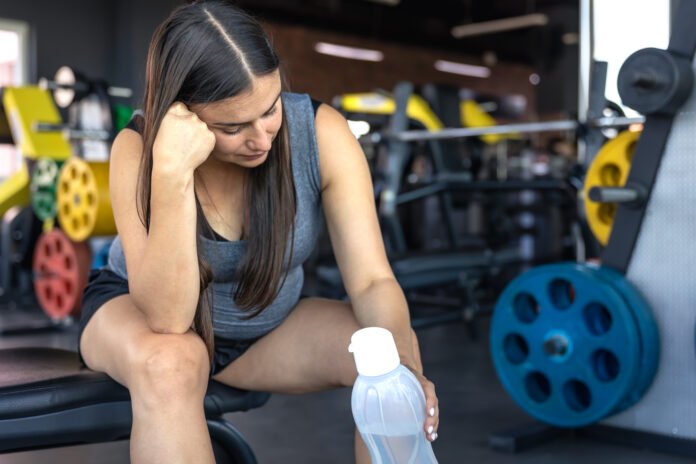
Starting a new workout routine is often associated with increased energy and improved strength. However, many people are surprised to feel weak, fatigued, or even less capable in the initial days or weeks. This experience can be discouraging, especially for beginners or those returning to exercise after a break. The truth is, feeling weak at the start of a fitness journey is a normal physiological response. Your body is adapting to new physical demands, and this temporary phase is part of the process of building strength and endurance. Understanding why this happens can help you stay consistent and avoid unnecessary frustration. This article explores the reasons behind post-workout weakness and how to manage it effectively.
Understanding the Topic
Weakness after starting a workout routine does not necessarily mean you are doing something wrong. It is often a sign that your muscles, nervous system, and energy systems are adjusting to increased activity.
When you exercise, especially if it is new or more intense than usual, your body experiences stress. This stress triggers adaptation, which ultimately leads to improved strength and fitness. However, during the early stages, the body may temporarily struggle to keep up, resulting in fatigue and reduced performance.
How the Body/System Works
Muscles generate energy through stored glycogen and oxygen. During exercise, these energy reserves are used to fuel movement.
When you begin a new routine, your muscles are not yet efficient at using energy. Additionally, microscopic tears occur in muscle fibers, which is a normal part of strength-building. The body repairs these fibers, making them stronger over time.
The nervous system also plays a role by learning how to coordinate movements more efficiently. Until this adaptation occurs, movements may feel more difficult and tiring.
Main Causes / Factors
Muscle Adaptation
New exercises place unfamiliar stress on muscles, leading to temporary weakness.
Delayed Onset Muscle Soreness (DOMS)
Soreness that appears 24–48 hours after exercise can reduce strength and mobility.
Energy Depletion
Low glycogen levels can make muscles feel weak during and after workouts.
Inadequate Recovery
Insufficient rest between workouts prevents proper muscle repair.
Poor Nutrition
Lack of protein or carbohydrates can limit energy and recovery.
Dehydration
Fluid loss during exercise can reduce performance and cause fatigue.
Medical Conditions Linked
In some cases, persistent weakness may be linked to:
- Nutritional deficiencies
- Thyroid imbalances
- Chronic fatigue conditions
- Anemia
If weakness does not improve over time, underlying health conditions should be considered.
Lifestyle and Behavioral Factors
Certain habits can worsen post-workout weakness:
- Skipping meals before or after exercise
- Overtraining without adequate rest
- Poor sleep quality
- Lack of warm-up or cool-down routines
Improving these habits can significantly enhance recovery and performance.
Age or Risk Factors
Some individuals may experience more pronounced weakness:
- Beginners with low baseline fitness
- Older adults with reduced muscle mass
- Individuals returning after long inactivity
- People with physically demanding lifestyles
These groups may need a gradual approach to exercise.
Other Contributing Factors
Additional factors include:
- High-intensity workouts performed too soon
- Incorrect exercise form
- Stress affecting energy levels
- Hormonal fluctuations
These elements can influence how the body responds to new physical activity.
Symptoms to Watch For
Normal signs of adaptation include:
- Mild to moderate muscle soreness
- Temporary fatigue
- Reduced strength during early sessions
- Stiffness after workouts
However, watch for:
- Severe or prolonged pain
- Extreme fatigue lasting several days
- Dizziness or weakness during exercise
- Lack of improvement over time
These may indicate the need for adjustment or medical advice.
When to Seek Medical Help
Consult a healthcare professional if:
- Weakness persists beyond a few weeks
- There is sharp or severe pain
- You experience dizziness or fainting
- Recovery becomes increasingly difficult
- There are signs of injury
Early evaluation can prevent complications and ensure safe progress.
Prevention Tips
To reduce weakness and improve adaptation:
- Start with low to moderate intensity workouts
- Gradually increase exercise intensity
- Eat balanced meals with protein and carbohydrates
- Stay hydrated before, during, and after exercise
- Get adequate sleep for recovery
- Include rest days in your routine
These steps help the body adapt more efficiently.
Treatment Overview
Managing post-workout weakness involves supporting recovery:
- Active recovery such as light walking or stretching
- Proper nutrition to replenish energy stores
- Hydration to maintain performance
- Rest to allow muscle repair
- Adjusting workout intensity
Consistency and patience are key to overcoming initial weakness.
Conclusion
Feeling weak after starting a new workout routine is a natural part of the body’s adaptation process. While it may seem counterproductive, this temporary phase is essential for building strength and endurance. By understanding the underlying causes and supporting your body with proper nutrition, hydration, and rest, you can navigate this stage more comfortably. Gradual progression and consistency are crucial for long-term success. If symptoms persist or worsen, seeking professional guidance ensures that any underlying issues are addressed. With the right approach, initial weakness will give way to improved strength, energy, and overall fitness.