
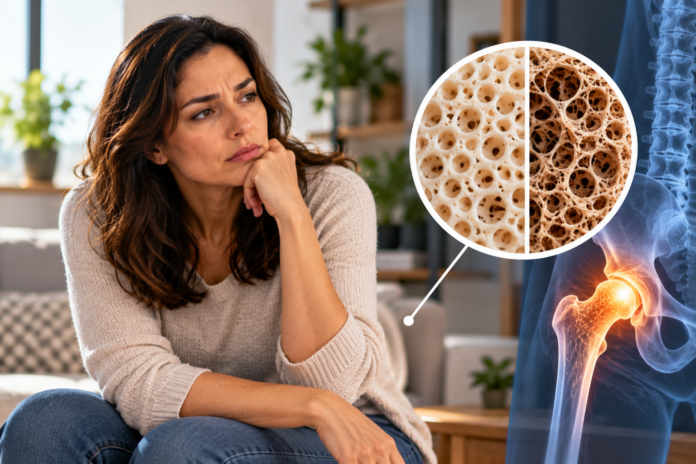
Unveil the silent threat to your bones and learn how to protect your health.
KEY STATISTICS
- Approximately 54 million Americans are at risk for osteoporosis or low bone mass.
- Women can lose up to 20% of their bone density in the five to seven years following menopause.
- Osteoporosis causes more than 8.9 million fractures annually worldwide, equating to one every three seconds.
As you navigate through your late 30s and 40s, life often becomes a blur of responsibilities—juggling family, work, and social commitments. Yet, amidst the hustle and bustle, a silent threat lurks: osteoporosis, a condition that gradually weakens your bones, making them susceptible to fractures. Despite its prevalence, many remain unaware of their personal risk factors, believing this disease is far off in the distance, reserved for the elderly.
How This Affects Your Body and Biology
Bone health is a dynamic process, involving a delicate balance between bone resorption (the breakdown of bone) and bone formation. Osteoporosis occurs when this balance tilts, leading to more bone being lost than formed. The process is regulated by various hormones, including estrogen and testosterone, which play crucial roles in maintaining bone density.
In adults, especially women, the drop in estrogen levels during menopause significantly accelerates bone loss, increasing vulnerability to fractures.
- Bone is living tissue that is constantly being remodeled; cells called osteoclasts break down old bone, while osteoblasts build new bone.
- Estrogen inhibits bone resorption, and its decline during menopause is a major risk factor for osteoporosis.
- Vitamin D is essential for calcium absorption; without it, bones can become weak and brittle.
- Genetic factors can influence bone density, with family history playing a significant role in individual risk.
Why Adults in Their 30s and 40s Face Unique Vulnerabilities
In your 30s and 40s, the body undergoes various hormonal changes that can influence bone density. For women, the transition to menopause is a critical period marked by hormonal fluctuations that significantly impact bone health. Additionally, men also experience a gradual decline in testosterone, which can contribute to decreased bone density, albeit typically later in life than women.
This age demographic often overlooks the subtle signs and symptoms associated with bone health deterioration, thinking it’s something that can be addressed later.
- Hormonal changes during menopause can lead to a rapid decline in bone density.
- Men experience a slower decline in testosterone, increasing their risk of osteoporosis as they age.
- Lifestyle factors, including diet, physical activity, and stress, can exacerbate bone loss during these pivotal years.
Warning Signs and Early Symptoms to Watch For
- Unexplained back pain: This can be a sign of a vertebral fracture, often unnoticed until it becomes severe.
- Loss of height: A noticeable decrease in height over time may indicate vertebral compression fractures.
- Stooped posture: Changes in posture can signal weakening bones and potential fractures.
- Fractures occurring from minor falls: If you experience fractures from minimal trauma, it’s a sign to consult a healthcare provider.
- Dental problems: Loose teeth or gum disease can be linked to reduced bone density in the jaw.
- Prolonged recovery from injuries: If you notice that your body takes longer to heal, it may be related to bone health.
Evidence-Based Diet and Lifestyle Strategies That Work
To combat osteoporosis, a proactive approach to diet and lifestyle is essential. Focus on incorporating nutrient-rich foods high in calcium and vitamin D, such as leafy greens, dairy products, and fortified cereals. Regular weight-bearing exercises, such as walking or resistance training, stimulate bone formation and improve balance, reducing fall risk.
Additionally, consider engaging in activities that promote overall fitness and flexibility, such as yoga or Pilates, which can enhance body awareness and strength.
- Increase calcium intake to 1,000 mg for adults under 50 and 1,200 mg for those over 50.
- Incorporate vitamin D-rich foods or supplements to enhance calcium absorption.
- Engage in regular physical activity, including strength training and weight-bearing exercises.
- Limit alcohol consumption and avoid smoking, both of which can contribute to bone loss.
Your Daily Action Plan Checklist
- Schedule a bone density test, especially if you have risk factors.
- Incorporate at least 30 minutes of weight-bearing exercise into your daily routine.
- Track your calcium and vitamin D intake, aiming for the recommended daily amounts.
- Limit caffeine and alcohol consumption to reduce their negative impact on bone health.
- Practice good posture and engage in core-strengthening exercises to promote spinal health.
- Stay informed about your family history related to bone health and discuss it with your healthcare provider.
The Overlooked Role of Sleep, Stress, and Systemic Health
Sleep and stress are often underestimated when discussing bone health, yet they play a pivotal role in maintaining overall well-being. Chronic stress leads to elevated cortisol levels, which can inhibit bone formation and enhance bone resorption, compounding osteoporosis risks. Furthermore, poor sleep quality disrupts hormonal balance, including those hormones critical for bone health.
Prioritizing stress management techniques and ensuring adequate sleep is crucial for maintaining healthy bones and overall health.
- High cortisol levels associated with chronic stress can lead to increased bone loss.
- Sleep deprivation can disrupt the production of growth hormone, which is vital for bone growth.
- Mindfulness and relaxation techniques can improve both sleep and stress levels, positively impacting bone health.
Bottom Line
Understanding and addressing hidden osteoporosis risks is crucial for adults in their late 30s and 40s. Taking proactive steps to improve diet, exercise, and lifestyle can significantly impact bone health and overall well-being. Empower yourself with knowledge and actions to protect your bones against the silent threat of osteoporosis.
HealthyInsight — always consult a qualified healthcare provider before making changes to your health routine.
Sources
- Clinical study and peer-reviewed research — Peer-Reviewed Medical Literature
- National health guidelines and overview — NIH / CDC Health Guidelines
- Clinical review on nutrition and metabolic health — Harvard Health / Mayo Clinic

