
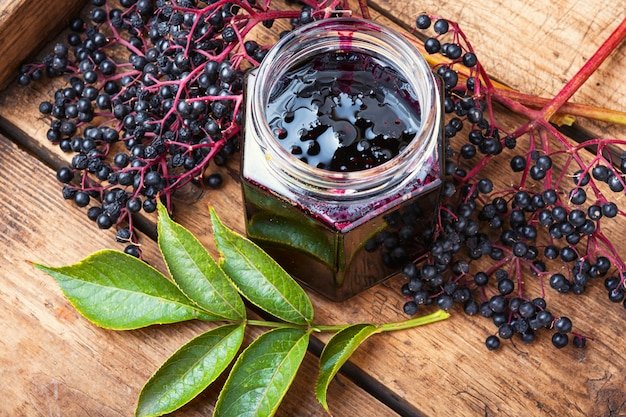
Elderberry: Immune Support or Hype?
As the seasons change, many of us over 40 are more vigilant about maintaining our health and wellness. Among the myriad of natural remedies that have gained popularity, elderberry stands out as a captivating contender. But with a surge of wellness products touting its benefits, it begs the question: Is elderberry truly an ally to our immune system, or just another buzzworthy trend?
For centuries, people across various cultures have turned to elderberries for their medicinal properties. Beyond the folklore, modern consumers find themselves inundated with syrups, gummies, and teas, all purporting to support immune function. The intrigue is undeniable, but how much of elderberry’s reputation is anchored in science, and how much rides the wave of hype?
Unraveling the truth behind elderberry can feel like navigating a dense forest. As we journey deeper, the evidence reveals a nuanced picture, prompting us to consider how elderberry fits into a balanced wellness routine for those of us navigating through our forties and beyond. Let’s explore the depths of elderberry’s potential and draw insights pertinent to our age group.
Understanding Elderberry’s Rich History
The elder plant, or Sambucus nigra, has a storied past in traditional medicine. Ancient Egyptians used elderberries to improve their skin and heal burns, while Indigenous cultures in North America revered it as a go-to remedy. This historical backdrop provides elderberry with notable credibility as a time-tested approach to health. Yet, as with all remedies, historical usage is just one piece of the puzzle.
Understanding the history is key in appreciating why elderberry has made such a robust comeback. The cultural wisdom surrounding elderberry highlights its longstanding value, yet underscores the importance of integrating traditional remedies with contemporary insights.
The Science Behind Elderberry’s Claims
Research into elderberry’s effects on health primarily focuses on its potential impact on the immune system. Studies suggest elderberries are rich in antioxidants and vitamins, particularly vitamin C and flavonoids, which might support immune health. These compounds are thought to help reduce oxidative stress and inflammation, which are common issues as we age.
A notable study conducted during flu seasons found that individuals taking elderberry extract experienced a reduction in the duration and severity of their symptoms. However, experts note that while these findings are promising, more comprehensive research is needed to solidify elderberry’s efficacy across diverse populations and long-term use.
Elderberries contain antioxidants which may assist in reducing oxidative stress.
Research suggests potential benefits in reducing cold and flu symptoms.
Efficacy may vary based on formulation and concentration.
Including Elderberry in Daily Life
Beyond its purported immune-boosting capabilities, elderberry can easily be integrated into a daily routine. For those concerned about adding yet another supplement to their regimen, elderberry is commonly found in forms that are as enjoyable as they are potentially beneficial.
Syrups and elixirs can be mixed into morning smoothies or evening teas.
Gummies offer a convenient option for on-the-go lifestyles, without the fuss of measuring doses.
Teas made from elderberry can provide a soothing ritual, especially during cooler months.
Selecting elderberry products involves a discerning eye. Opt for reputable brands that value transparency and provide standardized extracts to ensure consistent potency.
Considerations for Safety and Use
While elderberries themselves are celebrated, the raw berries and other parts of the plant contain substances that can cause stomach upset if consumed improperly. Therefore, prepared products should always be your go-to to avoid potential risks.
As with any wellness supplement, it is advisable to consult with a healthcare professional, especially if taking medications or managing chronic conditions. They can provide personalized advice that aligns with your health goals and concerns.
Remember, elderberry is one piece of the wellness puzzle. A balanced diet, regular exercise, and adequate sleep remain cornerstones of a resilient immune system.
Simple Daily Takeaways
Embracing elderberry involves understanding both its historical significance and modern research. For individuals over 40, integrating elderberry can be a complementary step toward supporting overall wellness and immune health.
Explore elderberry products like syrups, teas, and gummies for ease of use.
Ensure products come from reputable sources to avoid substandard formulations.
Consult healthcare professionals before starting any new supplement routine.
Sources
National Center for Complementary and Integrative Health
Elderberry: Immune Support or Just Hype? – Mayo Clinic
Elderberry: Immune Support or Just Hype? – Harvard Health
Elderberry: Immune Support or Just Hype? – Centers for Disease Control and Prevention
Elderberry: Immune Support or Just Hype? – World Health Organization