
Introduction: The Quest for Youthful Skin
In an era where the pursuit of youthful, radiant skin is a universal endeavor, collagen has emerged as a beauty buzzword. This vital protein, responsible for skin elasticity and structural integrity, has garnered attention for its role in maintaining a youthful appearance. While collagen supplements are popular, nature offers a bounty of collagen-rich foods that can naturally support your skin’s elasticity. Let’s delve into the science, practical steps, and the holistic benefits of incorporating these foods into your diet.
The Science: Collagen’s Role
Collagen, the most abundant protein in the human body, is a major component of connective tissues, including skin, muscles, tendons, and ligaments. It acts as a scaffold, providing strength and resilience. As we age, collagen production decreases, leading to wrinkles and sagging skin. Consuming collagen-rich foods can boost the body’s natural production and repair processes, replenishing skin elasticity.
Collagen is composed of amino acids such as glycine, proline, and hydroxyproline. These amino acids stimulate fibroblast cells in the dermis to produce new collagen. Foods high in these amino acids, along with vitamin C which aids in collagen synthesis, can significantly enhance skin health.
Practical Steps: Eating for Elasticity
Integrating collagen-rich foods into your diet doesn’t have to be a complex task. Here are some practical steps to get started:
- Bone Broth: Made by simmering animal bones, this nutrient-dense broth is rich in collagen and other essential vitamins and minerals.
- Oily Fish: Salmon and mackerel are not only rich in collagen but also in omega-3 fatty acids that support skin hydration.
- Egg Whites: High in proline, an amino acid critical for collagen production.
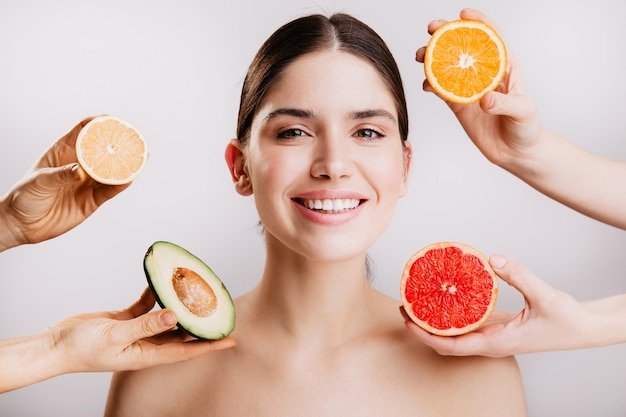
- Citrus Fruits: Oranges, lemons, and limes are packed with vitamin C, vital for collagen synthesis.
- Leafy Greens: Spinach and kale contain chlorophyll, which is known to increase the precursor to collagen in the skin.
Nutritional Synergy: Beyond Collagen
While collagen-rich foods are pivotal, their efficacy is enhanced when combined with a balanced diet and healthy lifestyle practices. Antioxidants found in fruits and vegetables protect skin from oxidative stress, while zinc and copper found in nuts and seeds are essential cofactors in collagen production. Hydration is another key aspect—adequate water intake ensures that collagen fibers remain supple and elastic.
Moreover, lifestyle choices such as regular exercise, adequate sleep, and minimal stress levels complement dietary efforts, promoting not just skin health but overall wellness.
Long-term Wellness: The Bigger Picture
Incorporating collagen-rich foods into your daily regimen can have far-reaching benefits beyond skin elasticity. Collagen supports joint health, enhances muscular strength, and promotes gut health by maintaining the integrity of the gut lining. A diet abundant in collagenous foods can also contribute to stronger hair and nails, manifesting in a comprehensive enhancement of physical health and appearance.
Additionally, focusing on natural food sources rather than supplements ensures a holistic intake of nutrients, reducing the risk of overconsumption and potential side effects associated with synthetic supplements.
Conclusion: Embrace Nature’s Bounty
Collagen-rich foods offer a viable and effective means to support and enhance skin elasticity naturally. By understanding the science behind collagen and adopting practical dietary strategies, individuals can leverage nature’s bounty for improved skin health. Coupled with a balanced lifestyle, these foods contribute not only to a more youthful appearance but also to overall well-being. Embrace this natural approach to skincare, and let your diet be the foundation of your wellness journey.
Sources
Healthline: Collagen Benefits
NCBI: Collagen Metabolism
WebMD: Foods High in Collagen
Medical News Today: Collagen Supplements