
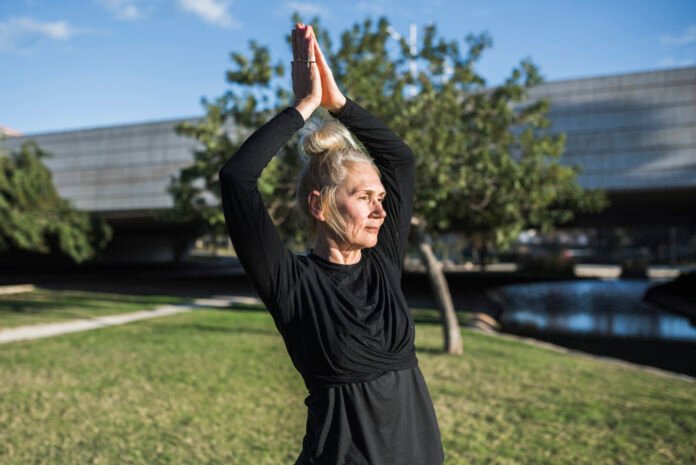
Embracing Change: The Dawn of Mindful Movement
As we gracefully step into our 40s, the body and mind embark on a transformative journey. The once effortless energy may start to require a conscious effort to maintain. This period of life invites us to explore new ways to sustain vitality, and among the most promising practices is mindful movement. This approach not only nurtures the physical body but also harmonizes the mental and emotional realms, enhancing the quality of daily life. Let us delve into how mindful movement can become a cornerstone of well-being in this vibrant decade and beyond.
Body & Mind Connection
Mindful movement is rooted in the concept of awareness, where each motion is executed with intent and presence. Unlike traditional exercise, which often prioritizes intensity and repetition, mindful movement encourages a deep connection between the mind and body. This approach is closely linked to the principles of neuroplasticity, the brain’s ability to reorganize itself by forming new neural connections. Engaging in mindful practices like yoga, tai chi, or qigong aids in enhancing cognitive function and promoting mental clarity. These movements stimulate the release of neurotransmitters such as dopamine and serotonin, which are crucial for mood regulation and overall mental health.
Steps to Incorporate
Integrating mindful movement into your daily routine need not be daunting. Here are some practical steps to guide you:
- Start Small: Begin with 5-10 minutes of mindful movement daily, gradually increasing the duration as you become more comfortable.
- Choose Your Practice: Select activities that resonate with you, whether it’s yoga, tai chi, or simple stretching exercises.
- Focus on Breathing: Incorporate deep, intentional breathing to enhance relaxation and concentration during your practice.
- Set a Schedule: Establish a consistent time each day for your practice to build a sustainable habit.
- Listen to Your Body: Pay attention to how your body feels and adapt movements to suit your comfort level.
Synergy Through Nutrition
To maximize the benefits of mindful movement, it is essential to consider nutritional and lifestyle choices that complement this practice. A diet rich in anti-inflammatory foods such as fruits, vegetables, nuts, and fatty fish can support joint health and reduce the risk of chronic diseases. Hydration is equally important, as it aids in maintaining flexibility and muscle function. Additionally, ensuring adequate sleep and stress management through techniques like meditation or journaling can further enhance the effects of mindful movement, creating a holistic approach to well-being.
Impact on Longevity
The long-term impact of integrating mindful movement into daily life is profound. Regular practice can lead to improved balance and coordination, reducing the risk of falls and injuries. It also supports cardiovascular health by enhancing circulation and lowering blood pressure. Moreover, the mental health benefits include reduced anxiety, improved focus, and a greater sense of overall well-being. By fostering a deeper connection with oneself, individuals are better equipped to navigate the challenges of midlife with grace and resilience.
Conclusion: A Lifelong Journey
Mindful movement offers a transformative path to enhancing life after 40. It invites individuals to embrace change with an open heart and mind, promoting a sense of peace and vitality. By weaving this practice into the fabric of daily life, alongside mindful nutrition and lifestyle choices, one can cultivate a robust foundation for long-term health and happiness. As we honor the body’s wisdom and nurture the mind’s potential, we embark on a journey that enriches not only our own lives but also those of the people around us.
Sources
The Role of Neuroplasticity in Aging
Benefits of Mindful Movement
Mindful Movement and Mental Health
Nutrition and Cognitive Function