
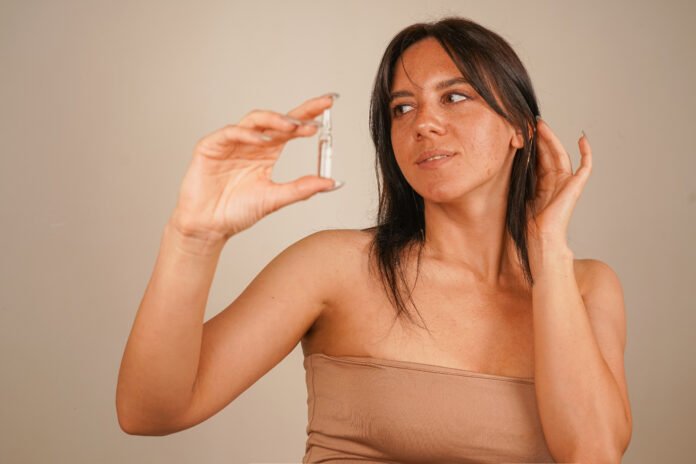
Light and heat destroy vitamin C potency faster than you think.
KEY STATISTICS
- Up to 85% of vitamin C activity can be lost within 3 months of opening
- Vitamin C serums exposed to light lose 50% potency in just 2 weeks
- Only 15% of topical vitamin C products maintain full strength after 6 months
You spent good money on that vitamin C serum, but chances are it’s not working like it should. Most people don’t realize that vitamin C is one of the most unstable ingredients in skincare, breaking down rapidly when exposed to light, air, and heat. By the time you’re halfway through that expensive bottle, you might be applying little more than water to your face.
Why Vitamin C Breaks Down
Vitamin C, particularly L-ascorbic acid, is notoriously unstable in topical formulations. When exposed to oxygen, light, or heat, it oxidizes quickly, turning from clear or pale yellow to brown or orange.
This oxidation process doesn’t just change the color—it fundamentally alters the molecular structure. Oxidized vitamin C loses its ability to stimulate collagen production and provide antioxidant protection.
The degradation happens faster than most people expect. Even properly stored serums can lose significant potency within weeks of opening.
The Costly Skincare Mistake
Adults in their late thirties and early forties are often investing more in targeted skincare as they notice the first signs of aging. This makes the stability issue particularly frustrating—and expensive.
At this age, collagen production naturally slows by about 1% per year. Many people turn to vitamin C specifically to help maintain skin firmness and brightness.
Unfortunately, this is also when people tend to buy larger bottles or stock up during sales. The longer storage time increases the likelihood of degradation before use.
Signs Your Serum Failed
- Serum has changed from clear/pale yellow to brown or orange
- Product smells metallic or rancid instead of neutral
- Serum feels sticky or gritty when applied
- No improvement in skin brightness after 6-8 weeks of consistent use
- Skin irritation or sensitivity that wasn’t present initially
Storage Solutions That Work
The key to maintaining vitamin C potency lies in proper storage and smart purchasing habits. Store your serum in a cool, dark place—ideally the refrigerator.
Avoid bathroom storage where heat and humidity fluctuate. The medicine cabinet above your sink is one of the worst places for vitamin C products.
Choose smaller bottles that you can finish within 2-3 months. Many brands offer 0.5 oz or 15ml sizes that are perfect for maintaining freshness.
Look for dark glass bottles or opaque packaging. Clear plastic containers offer no protection against light damage.
Consider stabilized forms of vitamin C like magnesium ascorbyl phosphate or sodium ascorbyl phosphate. These are less potent but much more stable than L-ascorbic acid.
Preservation Action Plan
- Store opened vitamin C serum in the refrigerator
- Buy smaller bottle sizes you can finish in 2-3 months
- Check color and smell before each use
- Choose dark glass or opaque packaging when possible
- Consider stabilized vitamin C forms for longer shelf life
The Manufacturing Date Factor
The manufacturing date matters more than the expiration date for vitamin C products. Many serums sit on shelves for months before purchase, already losing potency.
Look for brands that include manufacturing dates or batch codes you can trace. Some companies now use airless pumps to minimize oxygen exposure.
DIY vitamin C serums might seem cost-effective, but they’re even less stable without proper preservatives. The money saved often isn’t worth the reduced effectiveness.
Bottom Line
Vitamin C serums can be powerful anti-aging tools, but only when they’re fresh and properly stored. Don’t let poor storage habits turn your investment into expensive water.
Always consult a qualified healthcare provider before making changes to your health routine.
Sources
- Stability of vitamin C in skincare formulations — Journal of Cosmetic Dermatology
- Topical vitamin C and skin health — Harvard Health Publishing
- Antioxidant stability in cosmetic formulations — British Journal of Dermatology

