
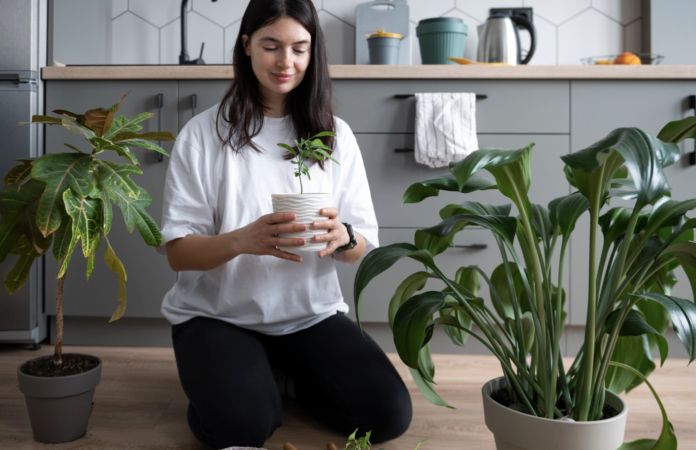
Science reveals how specific indoor plants enhance cognitive performance in adults.
KEY STATISTICS
- Studies show indoor plants can improve concentration by up to 15% within 30 days.
- NASA research identified 10 plants that significantly improve indoor air quality and mental clarity.
- Office workers with desk plants report 38% less fatigue and better focus throughout the day.
You’ve probably noticed your mind feeling foggy during long work sessions or afternoon slumps. What if the solution wasn’t another cup of coffee, but a simple snake plant sitting on your desk? Emerging research shows that specific houseplants don’t just clean the air—they actively enhance your brain’s ability to focus and process information.
How Plants Boost Brainpower
When plants photosynthesize, they release oxygen while absorbing carbon dioxide, creating a more oxygen-rich environment for your brain. Higher oxygen levels improve cognitive function, memory formation, and sustained attention.
Certain plants also remove volatile organic compounds (VOCs) from indoor air—chemicals from furniture, paint, and electronics that can cause brain fog and fatigue. Studies using brain imaging show that people in plant-filled rooms have increased activity in areas responsible for attention and executive function.
The visual presence of greenery triggers what researchers call “soft fascination”—a gentle mental reset that allows your brain to recover from directed attention fatigue without becoming overstimulated.
Why Your Age Group Benefits
Adults in their late 30s and early 40s often spend 8-10 hours daily in enclosed spaces with poor air circulation and artificial lighting. This environment accelerates cognitive fatigue and reduces mental sharpness over time.
Age-related changes in brain efficiency mean your mind needs more support to maintain peak focus throughout long workdays. Indoor air quality becomes increasingly important as your body’s natural detoxification processes slow down.
Many people this age are juggling demanding careers with family responsibilities, making mental clarity essential for productivity and stress management. Small environmental changes can have outsized impacts on cognitive performance.
Signs You Need Plants
- Difficulty concentrating for more than 30 minutes at a time
- Frequent headaches or eye strain during indoor work sessions
- Feeling mentally exhausted despite adequate sleep
- Increased irritability or restlessness in closed spaces
- Needing more caffeine to maintain focus throughout the day
Which Plants Actually Work
Start with proven air-purifying plants like snake plants, pothos, or peace lilies—they’re nearly impossible to kill and work effectively in low light. Place one medium-sized plant within your direct line of sight while working.
Position plants strategically around your most-used spaces: one near your computer, another in your bedroom, and a larger plant in your main living area. The key is consistent visual contact with greenery throughout your day.
Choose plants based on your space and skill level rather than aesthetics alone. A thriving $15 pothos will outperform a struggling $100 fiddle leaf fig tree when it comes to cognitive benefits.
Your Plant Focus Plan
- Buy one snake plant or pothos for your primary workspace this week
- Place the plant within 3 feet of where you spend most of your focused work time
- Add a second plant to your bedroom to improve overnight air quality and morning mental clarity
- Water weekly and rotate plants toward natural light sources every few days
- Track your focus levels and energy for 2 weeks to notice improvements
The Placement Factor
The biggest mistake people make is choosing high-maintenance plants that create stress rather than reduce it. Dead or dying plants can actually worsen indoor air quality and become a visual reminder of failure.
Consistent care matters more than plant variety—a healthy spider plant will provide more cognitive benefits than a neglected rare orchid. Start small and build confidence before expanding your indoor garden.
Placement trumps plant type: even the best air-purifying plant won’t help if it’s tucked away in a corner where you rarely see it. Visual contact with thriving greenery is as important as the air-cleaning benefits.
Bottom Line
Strategic placement of low-maintenance houseplants can measurably improve your focus and mental energy within weeks. Start with one proven variety near your workspace and expand gradually. Your brain will thank you for the cleaner air and visual reset that plants provide.
Always consult a qualified healthcare provider before making changes to your health routine.
Sources
- Psychological Benefits of Indoor Plants in Workplaces — Journal of Environmental Psychology
- Interior Landscape Plants for Indoor Air Pollution Abatement — NASA Clean Air Study
- The Relative Benefits of Green versus Lean Office Space — Journal of Experimental Psychology

