
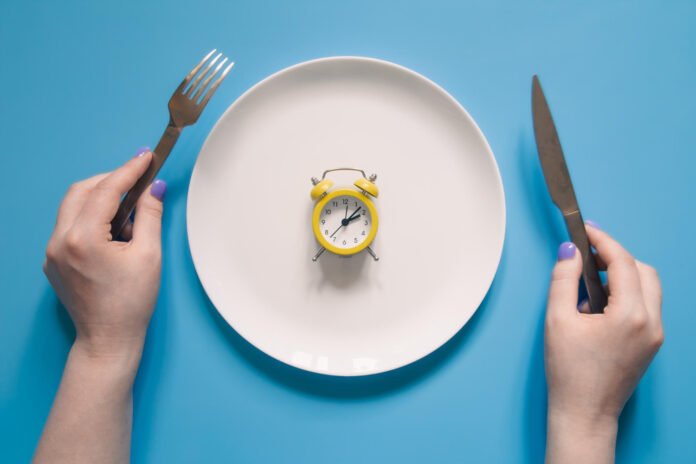
Your hormones have shifted — and your fasting strategy needs to shift with them.
KEY STATISTICS
- Research published in Cell Metabolism found that time-restricted eating improves metabolic markers, but results vary significantly by age and hormonal status.
- Women in perimenopause experience estrogen fluctuations that can make prolonged fasting windows more likely to trigger cortisol spikes and disrupted sleep.
- A 2022 JAMA Internal Medicine study found that 16:8 intermittent fasting produced no greater weight loss than unrestricted eating in some adult groups when calorie intake was matched.
You started intermittent fasting because it worked for someone you know — maybe a colleague who dropped ten pounds in two months, or a fitness account that made it look effortless. But somewhere between your late 30s and your early 40s, the same approach stopped delivering the same results. That is not a willpower problem.
It is a biology problem.
How Fasting Affects Hormones
Intermittent fasting works by giving your body extended periods without incoming glucose, which encourages it to draw on stored fat for fuel and allows insulin levels to fall. When insulin stays consistently low, cells become more sensitive to it — a key driver of the metabolic benefits that made fasting popular.
The problem is that after 35, your hormonal landscape starts to shift in ways that affect how your body interprets a fasting state. Cortisol, the stress hormone, tends to run higher as we age — and skipping meals or fasting too aggressively can push cortisol even higher, triggering fat storage rather than fat burning.
For women, declining estrogen changes how the hypothalamus responds to caloric restriction. The brain becomes more sensitive to perceived food scarcity, which can slow thyroid output and increase hunger hormones like ghrelin more sharply than in younger women. For men, lower testosterone in the 40s means muscle mass is already under pressure — and prolonged fasting without adequate protein can accelerate muscle loss rather than preserve it.
Why Your 40s Change Everything
Between 35 and 45, most adults are managing more stress, sleeping less soundly, and experiencing hormonal changes they may not yet have a name for. Each of these factors independently raises cortisol and disrupts insulin sensitivity — the two things intermittent fasting is supposed to improve.
When you layer aggressive fasting on top of a body already dealing with elevated stress hormones, you can create what researchers call a catabolic state — where the body breaks down muscle tissue for energy rather than tapping into fat stores. This is the opposite of what most people are trying to achieve.
This age group is also more likely to experience blood sugar fluctuations. Skipping breakfast entirely, especially with an early morning workout or a high-stress job, can cause reactive hypoglycemia — drops in blood sugar that trigger intense cravings, brain fog, and irritability by mid-morning.
Warning Signs to Watch For
- You feel more anxious or irritable on fasting days than you did when you started
- Your sleep quality has worsened since beginning a fasting routine
- You experience strong afternoon energy crashes or cravings after fasting mornings
- You have lost muscle tone but not fat, or your clothes feel different without scale changes
- Fasting leaves you feeling cold, foggy, or mentally flat rather than energised
What Actually Helps
The eating window that tends to work best for adults in this age group is a 12:12 or 14:10 pattern rather than the popular 16:8. This means finishing your last meal by 7 or 8pm and eating your first meal by 8 or 9am — a natural overnight fast that aligns with circadian rhythms without placing excessive stress on hormonal systems.
Breaking your fast with protein is critical after 40. A meal containing at least 25 to 30 grams of protein within the first hour of eating helps blunt cortisol, stabilise blood sugar, and signal to the body that muscle tissue should be preserved rather than used for fuel.
Timing also matters. The research on time-restricted eating increasingly points toward front-loading calories earlier in the day — a larger breakfast, a solid lunch, and a lighter dinner — as being more metabolically beneficial than skipping breakfast and eating heavily at night. This approach works with your natural insulin sensitivity, which is higher in the morning and lower in the evening.
Action Plan Checklist
- Switch from a 16:8 to a 14:10 or 12:12 eating window if you are experiencing fatigue, poor sleep, or mood changes on your current plan
- Break your fast with a high-protein meal of at least 25g protein — eggs, Greek yoghurt, or a protein-rich smoothie are practical options
- Avoid fasting through high-stress mornings or intense exercise sessions — eat something small first and fast on calmer, lower-output days
- Front-load your calories: aim for your largest meal before 2pm and keep dinner lighter to align with evening insulin resistance
- Track your energy, mood, sleep, and hunger for two weeks after any fasting change — your body’s response is the most reliable data you have
The Overlooked Sleep Factor
The most overlooked factor in fasting after 40 is sleep. Poor sleep raises ghrelin — the hunger hormone — and lowers leptin, which signals fullness. If you are already sleeping poorly, fasting the next morning compounds the hormonal disruption rather than correcting it.
Research from the Sleep Foundation shows that adults who sleep fewer than seven hours per night have significantly higher hunger hormone levels and are more likely to overeat during their eating window — which cancels out the caloric benefit of fasting entirely.
Before optimising your fasting window, it is worth assessing whether your sleep is actually restorative. Seven to nine hours, consistent sleep and wake times, and a cool, dark room are foundational — and they make every other metabolic strategy, including fasting, more effective.
Bottom Line
Intermittent fasting is not broken after 40 — but the version that worked at 28 may not be the right version now. A shorter, more circadian-aligned eating window combined with strategic protein timing and honest attention to stress and sleep is a smarter approach for this stage of life. Work with your biology, not against it.
Always consult a qualified healthcare provider before making changes to your health routine.
Sources
- Time-restricted eating and metabolic health outcomes in adults — Cell Metabolism
- Effect of intermittent fasting on weight and metabolic health — JAMA Internal Medicine
- Cortisol, stress, and weight gain in midlife adults — NIH National Library of Medicine
- Sleep deprivation and appetite-regulating hormones — Sleep Foundation
- Circadian rhythm, meal timing, and insulin sensitivity — Harvard Health Publishing