
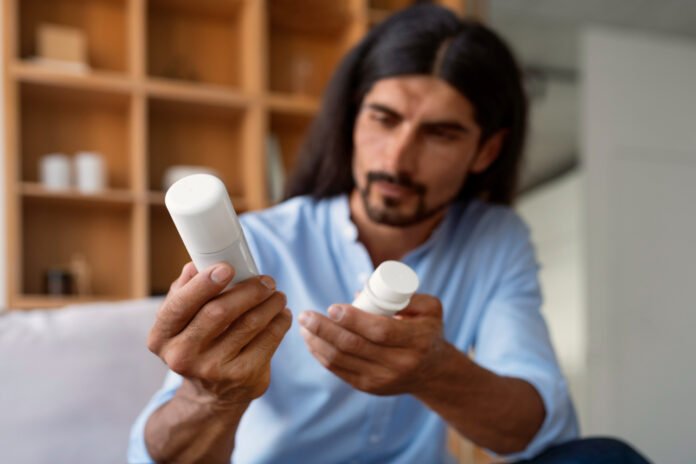
The ivermectin hype wave has real consequences — and your health may be paying the price.
KEY STATISTICS
- In 2021, U.S. poison control centers reported a fivefold increase in ivermectin-related calls compared to pre-pandemic levels, according to the CDC.
- A 2022 large-scale randomized trial published in NEJM found ivermectin showed no meaningful benefit in reducing COVID-19 hospitalization or death.
- The FDA has received thousands of reports of patients self-medicating with veterinary-grade ivermectin, leading to serious adverse events including seizures and hospitalization.
If you spent any time online between 2020 and 2023, you almost certainly encountered someone declaring that ivermectin was a suppressed miracle cure. The problem is that real people — many of them in the 35–45 age group who were otherwise health-conscious — acted on that claim, delayed proven treatment, and in some cases caused themselves serious harm. This article is not about politics.
It is about what the actual evidence says, and why it matters to your health decisions right now.
What the Evidence Shows
Ivermectin is a legitimate antiparasitic medication approved by the FDA for specific conditions including certain parasitic infections in humans. It works by disrupting the nerve and muscle function of parasites — a mechanism that has nothing to do with how viruses replicate or how the immune system responds to respiratory illness.
Early in the pandemic, a handful of small, poorly designed studies suggested a possible antiviral effect in lab settings. That lab-dish data was extrapolated far beyond what it could actually support, and social media amplified it into a narrative that outpaced the science by years.
When large, well-controlled trials were eventually completed — including the TOGETHER Trial and ACTIV-6 Trial — they consistently found that ivermectin did not reduce severity, hospitalization, or death from COVID-19 compared to placebo. The science was not suppressed. It was simply not what early speculation had promised.
Why This Age Matters
Adults aged 35 to 45 are at a particular crossroads. They are old enough to have developed some skepticism toward pharmaceutical companies, and health-conscious enough to seek alternatives — both of which are reasonable instincts in many contexts.
But that same mindset, when applied without filtering through credible evidence, creates vulnerability to health misinformation. This age group is also more likely to be managing early-stage conditions like elevated blood pressure, pre-diabetes, or immune irregularities where delaying proven treatment carries real long-term risk.
The danger is not just taking ivermectin. It is the opportunity cost — the days, weeks, or months spent pursuing something ineffective while a condition that responds to evidence-based care quietly worsens.
Warning Signs to Watch
- You sourced health information primarily from social media, podcasts, or non-clinical websites during the pandemic
- You or someone you know used veterinary-grade ivermectin, which contains doses and formulations not designed for human use
- You delayed seeking medical care for a respiratory illness because you believed a self-prescribed alternative would be sufficient
- You experienced nausea, vomiting, dizziness, or neurological symptoms after using ivermectin outside of a prescription context
- You distrust evidence-based medicine broadly, which may lead you to avoid treatments or screenings that could genuinely protect your health
What Actually Helps
The practical issue here is not just ivermectin specifically — it is the habit of substituting internet-sourced health claims for qualified medical guidance. That habit has a cost.
If you are in your late 30s or early 40s and managing energy issues, immune function, or early metabolic changes, the supplements and interventions that actually have evidence behind them — vitamin D adequacy, omega-3s, magnesium, quality sleep, resistance training — deserve your attention far more than anything that went viral in a Telegram group.
Choosing evidence-based supplements means looking for consistent data from multiple randomized controlled trials, not a single preprint study that has not yet been peer-reviewed. When in doubt, your GP or a registered dietitian can help you build a supplement and lifestyle plan grounded in what your body actually needs.
Action Plan Checklist
- Never use veterinary-grade versions of any medication — dosing, formulation, and safety profiles are entirely different from human-approved products
- If you took ivermectin without a prescription during the pandemic, mention it to your doctor so they can note it in your health history
- Evaluate your health information sources: prioritize CDC, NIH, Mayo Clinic, NHS, and peer-reviewed journals over social media and influencer content
- If you delayed any health screening or treatment during the pandemic due to misinformation, book that appointment now — early intervention matters most in your 40s
- Ask your healthcare provider what evidence-based supplements or lifestyle changes are appropriate for your specific health profile rather than following generalized online advice
The Psychology Behind It
One deeply overlooked factor in the ivermectin story is what it reveals about health anxiety and the psychology of control. Many people who turned to ivermectin were genuinely frightened, felt abandoned by mainstream institutions, and wanted to feel like they were doing something proactive for their health.
That impulse — wanting agency over your own body — is not wrong. It is actually a sign of a health-motivated mindset. The problem is that it was redirected toward something unsupported by evidence, at the expense of things that genuinely work.
If you recognize that pattern in yourself, the most powerful thing you can do is channel that same energy into habits with a strong evidence base: sleep consistency, daily movement, whole-food nutrition, stress reduction, and regular health screenings. Those interventions do not go viral, but they are the ones with decades of data behind them.
Bottom Line
Ivermectin is a real medication with legitimate, evidence-backed uses — but treating viral illness is not one of them, and the misinformation wave surrounding it has led real people to delay care, harm themselves, and distrust systems that, imperfect as they are, offer the best available tools for protecting long-term health. If you are in your 35–45 window, your health decisions in the next decade will shape the next four. Make them based on evidence, not on what got the most shares.
When you are unsure, ask a qualified healthcare provider — not a comment section.
Always consult a qualified healthcare provider before making changes to your health routine.
Sources
- Effect of Ivermectin vs Placebo on Time to Sustained Recovery in Outpatients with Mild to Moderate COVID-19 — JAMA — ACTIV-6 Trial
- Ivermectin for Mild-to-Moderate COVID-19 (TOGETHER Trial) — New England Journal of Medicine
- Ivermectin Overdose and Misuse Reporting During COVID-19 — CDC Morbidity and Mortality Weekly Report
- FDA Drug Safety Communication: Why You Should Not Use Ivermectin to Treat or Prevent COVID-19 — U.S. Food and Drug Administration
- Misinformation and COVID-19 Vaccine Hesitancy — The Lancet