
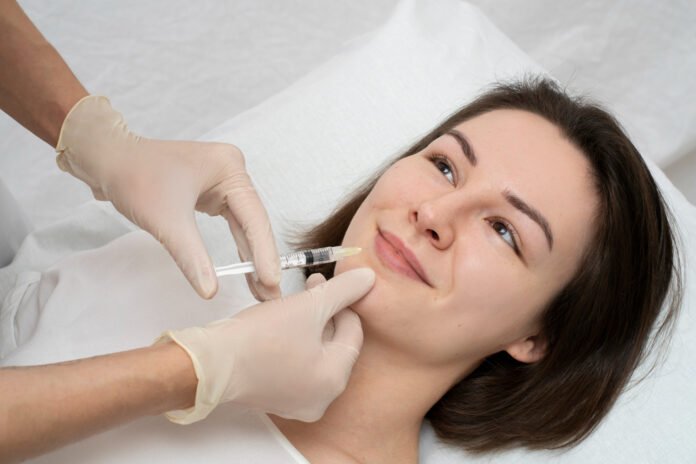
The injectable anti-aging trend is booming — but the side effects your provider may not mention are worth knowing before you book.
KEY STATISTICS
- A 2023 American Society of Plastic Surgeons report found that minimally invasive cosmetic procedures increased by over 40% among adults aged 35 to 54 in the past decade.
- Research published in JAMA Dermatology found that adverse events from dermal fillers and neuromodulators are underreported, with complication rates estimated between 1% and 15% depending on product and technique.
- The FDA has issued multiple safety communications warning that some injectable treatments marketed as anti-aging have not been approved for cosmetic use and carry serious health risks.
Botulinum toxin injections, dermal fillers, peptide shots, and a growing list of IV anti-aging drips have become almost routine for adults in their late 30s and early 40s. The promise is compelling — smoother skin, sharper energy, a body that feels younger. But clinical data is beginning to surface what glossy clinic brochures rarely mention: these treatments carry real risks, and some of those risks are not minor.
How These Treatments Work
Injectable anti-aging treatments work through very different mechanisms depending on the product. Botulinum toxin temporarily paralyzes targeted muscles by blocking nerve signals. Dermal fillers — most commonly hyaluronic acid — plump tissue by adding volume beneath the skin.
Neither of these is inherently dangerous when administered correctly by a trained professional. The problem is that the line between a medical procedure and a beauty appointment has blurred significantly. Many injections are now offered in non-clinical settings by undertrained practitioners, and the risk of complications rises sharply outside a regulated environment.
Beyond aesthetics, a newer wave of injectables — including peptide therapies, NAD+ infusions, and human growth hormone derivatives — are being marketed as metabolic and cellular anti-aging solutions. These carry a different risk profile entirely. Some have limited human safety data, and others interact with hormonal systems in ways that are not fully understood.
Why This Age Is Vulnerable
Adults between 35 and 45 are the fastest-growing consumer group for cosmetic injectables. This is partly because early intervention is now widely promoted as more effective than waiting until changes are more visible.
What makes this age group particularly vulnerable is the combination of motivation and relative health. Complications are sometimes dismissed as temporary or cosmetic when they may signal something more systemic. A nerve injury from a misplaced filler or a vascular occlusion is not a minor inconvenience — it requires prompt medical attention.
This is also the age when hormonal fluctuations begin to affect skin, muscle, and metabolism. That vulnerability can make aggressive or unregulated treatments feel more appealing, precisely when the body is least equipped to absorb unexpected physiological disruption.
Warning Signs to Watch For
- Swelling, redness, or heat that does not resolve within 48 to 72 hours after an injection — this may indicate infection or immune reaction
- Vision changes, eye pain, or sudden blurring after facial filler — this can signal a vascular occlusion and requires emergency care
- Skin that turns white, blue, or mottled near an injection site, which may indicate compromised blood flow to the tissue
- Persistent headaches, flu-like symptoms, or fatigue following IV anti-aging infusions — especially with peptide or NAD+ therapies
- Lumps, asymmetry, or hardening under the skin weeks or months after filler injections, which may indicate granuloma formation or product migration
What Actually Helps
The most important step before any injectable treatment is provider verification. Board certification in dermatology or plastic surgery is not a guarantee of perfection, but it represents meaningful training and accountability. Asking to see credentials and reviewing before-and-after outcomes for the specific treatment you are considering is not optional — it is necessary.
Understand exactly what is being injected into your body. The brand name, the concentration, the batch number, and whether the product is FDA-approved for its intended use are all questions you are entitled to ask. If a provider cannot or will not answer them clearly, that is a serious warning.
For systemic anti-aging injectables — peptides, growth hormone secretagogues, NAD+ infusions — the evidence base is still limited. These treatments may carry benefits in specific clinical contexts, but self-prescribing or accessing them through unregulated online sources significantly increases risk. Work with a physician who can monitor your bloodwork and response over time.
Action Plan Checklist
- Verify that any provider offering injectables holds board certification in a relevant specialty — dermatology, plastic surgery, or facial medicine
- Ask your provider to explain exactly what product they are using, whether it is FDA-approved for this use, and what the documented complication rate is
- Do not combine multiple injectable treatments in a single session without fully understanding how they may interact
- Know the emergency protocol — ask your provider what to do and who to call if you experience unusual symptoms within 24 to 72 hours of treatment
- If you are considering systemic anti-aging injections such as peptides or growth hormone therapy, request comprehensive bloodwork before and during treatment and work with a licensed physician
The Overlooked Safety Factor
One overlooked risk factor is the overlap between injectable treatments and existing medications or health conditions. Common medications — including blood thinners, certain antidepressants, and some supplements — can increase bruising, bleeding, or inflammatory responses after injections.
Autoimmune conditions present a particular concern. Some patients with underlying autoimmune disorders have experienced heightened inflammatory reactions to dermal fillers, sometimes months after the original treatment. If you have an autoimmune diagnosis, this conversation with a specialist is non-negotiable before proceeding.
There is also a psychological dimension worth acknowledging. Research published in the Journal of the American Academy of Dermatology has noted a correlation between frequent cosmetic procedures and body dysmorphic tendencies. This does not mean cosmetic treatments are inherently problematic, but if the motivation is driven by persistent dissatisfaction rather than a specific aesthetic goal, speaking with a mental health professional alongside a cosmetic provider is a reasonable and compassionate step.
Bottom Line
Injectable anti-aging treatments are not going away, and many carry genuine benefits when administered correctly by qualified professionals. The risk is not the treatment itself — it is the combination of underqualified providers, unregulated products, and a culture that has normalised medical procedures as lifestyle choices. Do your research, ask hard questions, and make sure your provider knows your full health picture before anything is injected.
Always consult a qualified healthcare provider before making changes to your health routine.
Sources
- Adverse Events Associated With Soft Tissue Filler Injections — JAMA Dermatology
- 2023 Plastic Surgery Statistics Report — American Society of Plastic Surgeons
- FDA Safety Communication on Unapproved Injectable Treatments — U.S. Food and Drug Administration
- Body Dysmorphic Disorder and Cosmetic Procedures — Journal of the American Academy of Dermatology
- Safety and Complications of Injectable Fillers — Mayo Clinic Proceedings