
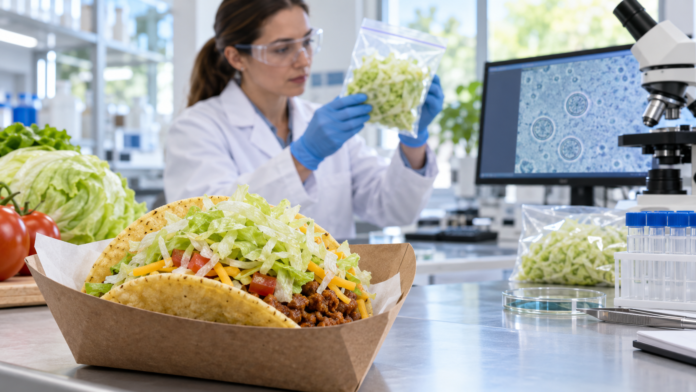
*A parasite linked to shredded lettuce at major chains—what to know and how to protect yourself*
KEY STATISTICS
- Over 1,600 people across five U.S. states were sickened by Cyclospora parasites traced to shredded iceberg lettuce
- Cyclospora infections typically cause severe gastrointestinal symptoms that can last 1 to 2 weeks if untreated
- Adults 35 to 45 are among the most frequent restaurant-goers, making awareness of food-borne illness sources especially important
You grab a quick taco at lunch, never imagining the shredded lettuce inside could sicken you for weeks. But a recent outbreak of Cyclospora—a parasitic infection spread through contaminated produce—sickened over 1,600 people across five states, with shredded iceberg lettuce from major restaurant chains identified as the source. If you live in one of these states or eat at fast-casual chains regularly, understanding what Cyclospora is, how it spreads, and what symptoms to watch for could save you from days of serious illness.
How Cyclospora Infects You
Cyclospora is a single-celled parasite that infects your small intestine and causes prolonged diarrhea and gastrointestinal distress. The parasite gets into produce through contaminated water during farming or processing, and unlike bacteria, it’s not killed by standard washing or cold storage. Once you ingest the parasite, it can take 2 to 14 days before symptoms appear, making it easy to unknowingly spread it to others.
- Cyclospora oocysts (the parasite’s dormant form) survive on raw vegetables and can only be destroyed by cooking or specific sanitization
- The parasite multiplies in your intestinal lining, causing inflammation and fluid loss that leads to watery diarrhea
- Unlike bacterial food poisoning, Cyclospora requires several days to develop, so infection sources are often traced weeks after people fall ill
- Untreated infections can persist for months, meaning early identification and treatment with antibiotics shortens illness significantly
Why Your Age Group Is Vulnerable
Adults in your age range face heightened exposure risk, not because of immune weakness, but because of lifestyle patterns and dining habits. People 35 to 45 eat restaurant food more frequently than other age groups, and busy schedules often mean eating on-the-go without questioning where ingredients come from. Additionally, while your immune system is generally strong, Cyclospora can still cause severe dehydration and electrolyte loss that’s harder to recover from if you have underlying conditions like diabetes or take medications that affect digestion.
- High frequency of restaurant and fast-casual dining increases exposure to contaminated produce compared to home-cooked meals
- Work demands and travel can mask early symptoms, delaying diagnosis and allowing the infection to worsen
- Pre-existing conditions (diabetes, irritable bowel syndrome, or compromised immunity) intensify Cyclospora’s effects and recovery time
- Adults 35 to 45 are less likely to have previous exposure that builds mild immunity, making first infection more severe
Signs of Cyclospora Infection
- Watery diarrhea (often explosive or urgent) that lasts more than a few days
- Severe abdominal cramping, bloating, and nausea even without vomiting
- Loss of appetite, fatigue, and weight loss after 3 to 7 days of illness
- Low-grade fever (usually under 102°F) accompanying gastrointestinal symptoms
- Symptoms that don’t improve with standard over-the-counter anti-diarrheal medications within 48 hours
Protect Yourself From Now On
Prevention centers on food awareness and safe handling at home, since you can’t always control restaurant preparation. While the outbreak was traced to specific lettuce batches, building a habit of scrutinizing where your produce comes from and how it’s prepared reduces overall risk. Simple steps during shopping, storage, and meal prep make a measurable difference.
- Buy pre-packaged salads only from reputable brands with clear sourcing information; check recall lists on the FDA website regularly
- Wash all fresh produce under running water for at least 20 seconds, including pre-cut items (though washing doesn’t eliminate Cyclospora)
- When eating out, ask servers where lettuce and greens are sourced, and avoid restaurants that can’t answer clearly
- Cook vegetables when possible (steaming, sautéing, or roasting kills the parasite reliably)
What to Do Right Now
- Check the CDC website and your state health department for active Cyclospora alerts and affected brands in your area
- If you’ve eaten shredded lettuce from the implicated states within the past two weeks and develop diarrhea, contact your doctor immediately and mention the outbreak
- Photograph or save packaging from any lettuce you’ve purchased recently; provide details to your doctor if you suspect infection
- Don’t self-treat with over-the-counter anti-diarrheal medications—Cyclospora requires prescription antibiotics (typically trimethoprim-sulfamethoxazole)
- If infected, stay home for at least 48 hours after diarrhea stops and practice rigorous hand hygiene to prevent spreading to family members
Dehydration: The Hidden Danger
Dehydration compounds Cyclospora’s damage far more than the infection itself, particularly if you’re managing stress or work demands that force you to push through illness. Electrolyte loss from prolonged diarrhea can trigger muscle cramps, dizziness, and cardiac irregularities in otherwise healthy adults—factors many people overlook when deciding whether to seek care.
- Watery diarrhea depletes sodium and potassium faster than plain water replacement can restore, risking dangerous electrolyte imbalances
- Adults over 35 recover more slowly from severe dehydration, making early intervention with oral rehydration solutions (like electrolyte drinks) critical
- Working through Cyclospora illness without proper fluid intake worsens symptoms and extends recovery by days or weeks
- Severe dehydration can mask as fatigue or brain fog, causing people to miss the window for effective antibiotic treatment
Bottom Line
Cyclospora infections are serious but treatable—the key is recognizing symptoms early and seeking medical care rather than waiting it out. If you live in one of the five affected states or eat shredded lettuce regularly, stay alert for persistent diarrhea and abdominal pain lasting more than a few days. Your doctor can confirm infection with a stool test and prescribe antibiotics that typically resolve symptoms within a week.
In the meantime, build the habit of asking where restaurant produce comes from and checking FDA alerts regularly—small awareness changes protect you and your family.
HealthyInsight — always consult a qualified healthcare provider before making changes to your health routine.
Sources
- CDC Online Newsroom — Cyclospora Outbreak Investigation — Centers for Disease Control and Prevention
- Cyclospora Infection — General Information — CDC
- Food Safety and Parasitic Infections — FDA