
In the hustle of daily life, it’s easy to overlook the subtle shifts in our bodies. For those of us journeying past our 40s, these changes may appear more pronounced or varied. Energy levels fluctuate, sleep patterns evolve, and even the texture of our skin may seem different. Yet, these nuances are not just an inevitable part of aging ‘ they’re revealing clues our bodies offer us. How can we listen more closely?
Precision monitoring, leveraging technology and mindful observation, empowers individuals to connect the dots on their health journey. It’s more than tracking numbers; it’s about understanding our body’s language to align our wellness strategies. Let’s delve into how this approach can guide us through these transformative years.
Understanding Energy Fluctuations
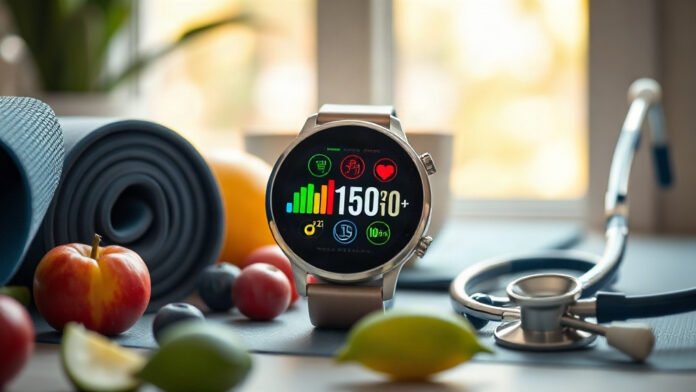
As we age, persistent energy dips can become a frequent companion. Rather than dismissing them as mere tiredness, precision monitoring can provide insights into when and why these occur. Utilizing tools like smartwatches, which track activity and rest patterns, can reveal trends in our daily energy cycles. Monitoring these patterns allows for the tailoring of daily activities to ideal moments of alertness and rest.
Wearable devices now offer features that track:
Heart rate variability ‘ indicating recovery status and possible stress levels.
Sleep quality metrics ‘ such as duration of REM sleep versus deep sleep.
These insights help in creating personalized strategies for optimal energy management throughout the day.
Embracing Changes in Sleep Patterns
A good night’s sleep becomes more elusive with time, but understanding its nature can enhance our rest. Precision monitoring provides a deeper look into sleep cycles. Devices that measure sleep stages offer a wealth of information, helping identify contributing factors to restless nights or frequent waking.
Research suggests that monitoring tools can help detect patterns such as:
The impact of diet or evening routines on sleep quality.
Consistent disturbances at certain hours, pointing to environmental causes.
This awareness supports adjustments that can align bedtime rituals with one’s unique needs, fostering better rest.
Tracking Skin and Complexion Shifts
Our skin, being the largest organ, often reflects internal changes. From dryness to sudden sensitivity, skin changes can signal various conditions. Precision monitoring, when combined with visual documentation, can track these shifts over time. Regular photo documentation taken under similar conditions ensures consistency in observation.
Experts note that maintaining a skin journal might include:
Daily or weekly photo logs to monitor alterations in texture or tone.
Noting new products or dietary changes and their impact.
This methodical tracking helps decipher what your skin truly requires, promoting informed skincare choices.
Gaining Clarity on Metabolic Changes
Metabolism can subtly shift, affecting weight or how certain foods are tolerated. To comprehend these changes, tools exist that monitor metabolic indicators. For instance, glucose monitors, used even by non-diabetics, can offer insight into how meals affect blood sugar levels.
Such precision tools can help to:
Identify foods that align with personal metabolic needs.
Discover the timing of meals that support sustained energy and metabolism.
This fosters an environment for personal dietary tuning, rather than following generic diet trends.
Optimizing Mental Clarity and Focus
Maintaining sharp mental clarity can be a primary concern. Cognitive monitoring, through apps or journals focusing on brain function and mood, provide valuable data. Identifying patterns in concentration or mood changes can guide lifestyle and dietary adjustments.
Experts point to monitoring activities such as:
Noting periods of peak productivity to align mentally demanding tasks.
Tracking mood variances alongside diet and activity levels to identify triggers.
Precision in observing mental states aids in uncovering what optimally supports cognitive health.
Simple Daily Takeaways
Leverage technology to track and adjust to your unique energy patterns.
Utilize tools that provide insights into sleep cycles for better rest strategies.
Document skin changes to understand underlying health needs.
Explore metabolic monitors to customize your diet effectively.
Monitor cognitive and mood changes to enhance mental clarity.

