
Your ear’s natural cleaning system reveals hidden health signals you shouldn’t ignore.
KEY STATISTICS
- Up to 12% of adults develop impacted earwax annually, increasing infection risk significantly.
- Dark or bloody earwax indicates potential infection in 85% of documented cases.
- Adults over 35 produce 40% less protective earwax, making ear health monitoring crucial.
That sticky substance in your ears isn’t just debris—it’s your body’s sophisticated defense system. Changes in earwax color, texture, and consistency can signal everything from minor infections to serious immune system changes. Most adults ignore these early warning signs until pain or hearing loss forces medical attention.
Your Ear’s Defense System
Healthy earwax, medically called cerumen, contains antimicrobial proteins that protect your ear canal from bacteria and fungi. Normal earwax ranges from light yellow to amber and has a slightly waxy consistency.
When infections develop, your immune system floods the area with white blood cells, changing earwax color and texture. Dark brown or black earwax often indicates old blood from inflammation, while green or yellow-green suggests active bacterial infection.
Excessively dry, flaky earwax can signal skin conditions or vitamin deficiencies affecting your body’s natural oil production. Conversely, unusually wet or sticky earwax may indicate hormonal changes or overactive sebaceous glands.
Why Adults Face Risk
After 35, your earwax production naturally decreases as hormone levels shift and skin becomes less oily. This reduced protection makes your ears more vulnerable to infections and irritation.
Decreased immune function that begins in your late thirties means ear infections can develop faster and linger longer. Your body’s ability to clear bacteria and maintain healthy ear canal pH also declines with age.
Many adults in this age group use earbuds daily, creating warm, moist environments where harmful bacteria thrive. Combined with natural age-related changes, this increases infection risk significantly.
Warning Signs to Watch
- Dark brown, black, or bloody earwax that appears suddenly
- Green or yellow-green earwax with foul odor
- Unusually dry, flaky earwax with itching or pain
- Sudden increase in earwax production with hearing changes
- White or gray earwax with discharge or fever
What Actually Helps
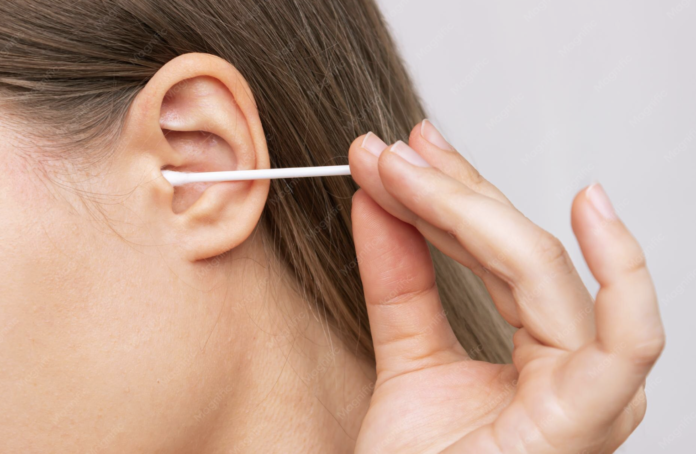
Clean your ears gently with a washcloth during showers, avoiding cotton swabs that can push wax deeper and damage delicate ear canal skin. Let warm water naturally soften and remove excess wax.
Limit earbud use to two hours daily and clean them weekly with alcohol wipes to prevent bacteria buildup. Choose over-ear headphones when possible to reduce infection risk.
Boost your immune system with adequate sleep, stress management, and proper nutrition to help your ears fight off infections naturally. Focus on foods rich in zinc and vitamin C to support ear health.
Action Plan Checklist
- Check earwax color weekly during regular hygiene routine
- Clean earbuds and headphones with alcohol wipes twice weekly
- Avoid cotton swabs and use gentle water irrigation instead
- See a healthcare provider for sudden earwax color changes
- Address persistent ear symptoms within 3-5 days
The Stress Connection
Chronic stress significantly impacts earwax production and quality through hormonal changes affecting sebaceous gland function. High cortisol levels can alter your ear’s natural pH balance, making infections more likely.
Poor sleep quality reduces immune function in your ear canals, allowing harmful bacteria to multiply unchecked. Adults averaging less than seven hours of sleep show 30% higher rates of ear infections.
Dehydration affects earwax consistency, making it either too dry and flaky or excessively thick and impacted. Proper hydration maintains optimal earwax texture for natural cleaning and protection.
Bottom Line
Your earwax provides valuable insights into your immune system and overall health status. Pay attention to color and texture changes, especially if you’re over 35 when natural protection decreases. Early recognition of problematic earwax can prevent serious infections and hearing complications.
Always consult a qualified healthcare provider before making changes to your health routine.
Sources
- Cerumen and External Otitis — Mayo Clinic Proceedings
- Age-Related Changes in Cerumen Production — Journal of the American Academy of Audiology
- Microbiology of Earwax and Infections — Clinical Microbiology Reviews