
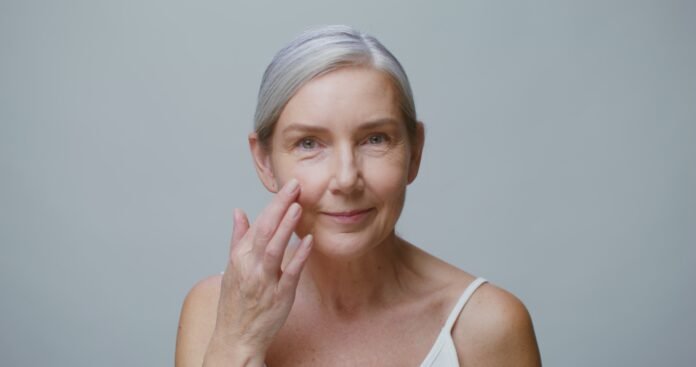
Hormonal shifts in your late 30s can paradoxically increase oil production despite aging skin.
KEY STATISTICS
- Women experience a 25% increase in sebum production between ages 35-40 due to hormonal fluctuations.
- Adults over 35 are 40% more likely to develop combination skin with both oily and dry patches.
- Stress hormones can increase oil production by up to 30% in people approaching middle age.
You’ve been dealing with dry skin concerns for years, investing in moisturizers and anti-aging serums. Suddenly, your T-zone is shinier than it was in high school, and you’re breaking out like a teenager. This frustrating skin shift isn’t in your head — it’s a common hormonal reality after 35.
The Hormone Oil Connection
Your skin’s oil production is controlled by sebaceous glands that respond directly to hormone levels. As you approach your late 30s, several hormonal changes create the perfect storm for increased sebum production.
Estrogen levels begin fluctuating more dramatically during perimenopause, which can start as early as 35. When estrogen dips, your body may compensate by producing more androgens like testosterone, which directly stimulate oil glands.
Cortisol, your primary stress hormone, also tends to rise with age due to increased life responsibilities. Elevated cortisol triggers inflammation and can cause sebaceous glands to produce excess oil as part of your body’s stress response.
Why Late 30s Trigger Changes
Adults in their late 30s face a unique combination of hormonal, lifestyle, and environmental factors that increase oily skin risk. Unlike teenage acne driven purely by puberty hormones, adult-onset oily skin involves multiple overlapping triggers.
Career stress, family responsibilities, and financial pressures typically peak during this life stage. Chronic stress elevates cortisol, which not only increases oil production but also impairs your skin’s natural barrier function.
Many people also begin using more anti-aging products during this period. Retinoids, alpha hydroxy acids, and other active ingredients can initially cause skin irritation, leading to compensatory oil production as your skin tries to protect itself.
Warning Signs to Watch For
- Sudden increase in shine on forehead, nose, or chin after years of normal or dry skin
- New breakouts appearing along the jawline, chin, or lower face rather than teenage T-zone patterns
- Skin feels tight and dry in some areas while simultaneously oily in others
- Makeup sliding off or looking greasy by midday when it never did before
- Enlarged pores becoming more visible, especially around the nose and cheeks
What Actually Helps
The most effective approach combines gentle skincare with hormone-supporting lifestyle changes. Avoid over-cleansing, which strips natural oils and triggers rebound oil production.
Use a gentle, pH-balanced cleanser twice daily and follow with a lightweight, non-comedogenic moisturizer even on oily areas. Your skin needs hydration to function properly, regardless of oil levels.
Incorporate stress-management techniques like deep breathing, meditation, or regular exercise. Even 10 minutes of daily stress reduction can help regulate cortisol levels and improve skin function over time.
Action Plan Checklist
- Switch to a gentle, sulfate-free cleanser and use lukewarm water to avoid stripping natural oils
- Apply a lightweight, oil-free moisturizer to your entire face, including oily zones
- Practice 10 minutes of daily stress reduction through meditation, deep breathing, or gentle yoga
- Limit processed foods and added sugars, which can spike insulin and worsen oil production
- Get 7-8 hours of sleep nightly to support healthy hormone regulation
The Diet Factor
Diet plays a surprisingly significant role in adult-onset oily skin that most people overlook. Foods with a high glycemic index cause rapid blood sugar spikes, which trigger insulin release.
Elevated insulin stimulates androgen production, leading to increased sebum production and inflammation. Common culprits include white bread, sugary snacks, and processed cereals.
Dairy products can also worsen oily skin in some adults due to naturally occurring hormones. Try eliminating dairy for 4-6 weeks to see if your skin improves, then gradually reintroduce to identify your tolerance level.
Bottom Line
Oily skin after 35 is usually your body’s response to hormonal shifts, stress, and lifestyle factors rather than a return to adolescence. Focus on gentle skincare, stress management, and hormone-supporting nutrition rather than harsh treatments that can backfire. With consistent care, you can balance your skin’s oil production while supporting healthy aging.
Always consult a qualified healthcare provider before making changes to your health routine.
Sources
- Hormonal fluctuations and skin changes in women — Journal of the American Academy of Dermatology
- Stress hormones and sebaceous gland function — British Journal of Dermatology
- Adult acne: understanding underlying factors — Mayo Clinic Proceedings