
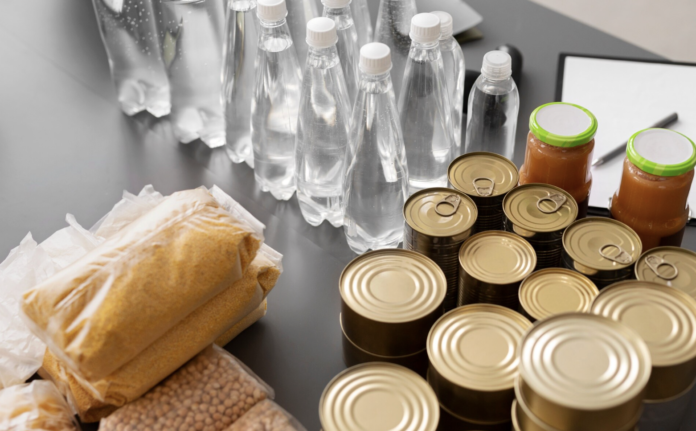
How ultra-processed foods shorten telomeres and accelerate cellular damage in your body.
KEY STATISTICS
- Ultra-processed foods make up 58% of daily calories for most adults over 35.
- People eating the most processed foods show cellular aging equivalent to 7.2 extra years.
- Each 10% increase in ultra-processed food intake shortens telomeres by 6 months of biological age.
Your morning granola bar, afternoon protein shake, and evening frozen dinner might be adding years to your cells faster than time itself. Recent research reveals that ultra-processed foods don’t just affect your waistline—they’re literally shortening the protective caps on your chromosomes called telomeres. When telomeres shrink, your cells age faster, increasing your risk of heart disease, diabetes, and cognitive decline.
How Processed Foods Age
Telomeres are protective DNA sequences at the end of chromosomes that naturally shorten as we age. When telomeres become critically short, cells can no longer divide properly and begin to malfunction or die.
Ultra-processed foods contain additives, preservatives, and inflammatory compounds that create oxidative stress in your body. This stress accelerates telomere shortening beyond normal aging rates. Studies using advanced cellular analysis show that people consuming the highest amounts of packaged foods have significantly shorter telomeres than those eating mostly whole foods.
The inflammatory response triggered by emulsifiers, artificial colors, and high-fructose corn syrup damages cellular machinery responsible for maintaining telomere length. Your body treats these foreign compounds as threats, launching immune responses that create collateral damage to healthy cells.
Why Your Age Matters
Adults in their late 30s and 40s are particularly vulnerable because this is when natural telomere shortening accelerates. Your body’s antioxidant defenses also begin declining around age 35, making you less equipped to handle the oxidative stress from processed foods.
Busy lifestyles often mean relying heavily on convenient packaged meals, protein bars, flavored yogurts, and processed snacks. What feels like practical eating becomes a daily assault on your cellular aging process. The cumulative effect builds over years, but the damage becomes measurable in your late 30s.
Hormonal changes during this decade also reduce your body’s ability to repair cellular damage efficiently. When combined with regular ultra-processed food consumption, this creates a perfect storm for accelerated biological aging.
Signs Your Cells Struggle
- Energy crashes 2-3 hours after eating packaged meals or snacks
- Skin looking older or more tired despite using skincare products
- Difficulty recovering from workouts or feeling sore longer than usual
- Brain fog or concentration problems after processed food meals
- Frequent minor illnesses or slower healing from cuts and injuries
Better Food Choices Work
The most effective approach is gradually replacing ultra-processed items with whole food alternatives. Start by identifying the top three packaged foods you eat weekly and find minimally processed substitutes. For example, swap flavored yogurt for plain Greek yogurt with fresh berries, or replace protein bars with hard-boiled eggs and nuts.
Focus on foods with five ingredients or fewer, all of which you recognize. Fresh fruits, vegetables, lean proteins, nuts, seeds, and whole grains provide the antioxidants and nutrients your cells need to maintain healthy telomeres. These foods also reduce the inflammatory burden that accelerates cellular aging.
Meal preparation becomes crucial for breaking the ultra-processed cycle. Spending two hours on Sunday preparing whole food snacks and meals prevents the convenience trap that leads to grabbing packaged options. Simple preparations like cut vegetables, cooked quinoa, and portioned proteins make healthy choices as convenient as processed ones.
Your Weekly Action Plan
- Audit your pantry and identify ultra-processed items (more than 5 ingredients, unrecognizable additives)
- Replace one processed snack daily with whole food options like apple slices with almond butter
- Choose plain versions of foods and add your own flavoring (plain oats with cinnamon vs. flavored packets)
- Prepare 3-4 whole food meals on weekends to reduce weekday processed food reliance
- Read ingredient lists before purchasing and avoid items with emulsifiers, artificial colors, or high-fructose corn syrup
The Hydration Connection
Hydration plays a crucial role in cellular health that most people overlook when focusing on food choices. Proper hydration helps your cells efficiently remove toxins from processed foods and supports the cellular repair mechanisms that maintain telomere length.
Chronic mild dehydration, common among busy adults, impairs your body’s ability to process the inflammatory compounds in ultra-processed foods. This amplifies the cellular damage and accelerates telomere shortening. Drinking adequate water also helps reduce cravings for heavily processed snacks that often mask thirst signals.
Aim for half your body weight in ounces of water daily, and notice how proper hydration makes whole foods more satisfying and reduces processed food cravings.
Bottom Line
Ultra-processed foods are literally aging your cells faster than time itself by shortening protective telomeres and creating chronic inflammation. The solution isn’t perfection—it’s consistently choosing whole foods over packaged alternatives and staying properly hydrated. Small changes in your daily food choices can slow cellular aging and help you feel more energetic as you navigate your 30s and 40s.
Always consult a qualified healthcare provider before making changes to your health routine.
Sources
- Ultra-processed food consumption and telomere length — American Journal of Epidemiology
- Dietary patterns and cellular aging biomarkers — BMJ Nutrition Prevention & Health
- Processed foods and inflammation markers — Journal of Nutrition