
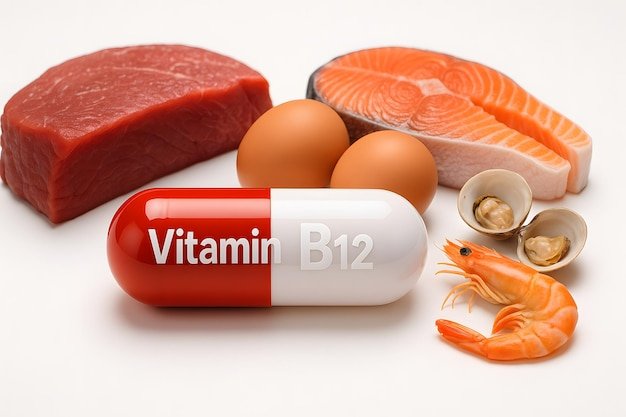
Vitamin B12: Energy and Nerve Support
The subtle shifts in energy you experience as you age might not merely be a sign of getting older. If you’ve noticed that your vitality reserves aren’t quite what they used to be, Vitamin B12 could be a factor worth examining. This essential nutrient plays a crucial role in how your body converts food into energy and maintains nerve health. But what exactly should you know about it to make informed choices for your well-being?
The nuanced relationship between Vitamin B12 and your body’s energy levels isn’t one of anecdotal legend. Rather, it’s grounded in scientific understanding that stretches far into the webbing of the nervous system. As you navigate this intricate connection, you’ll find that ensuring adequate B12 levels can be an empowering step toward sustaining your vigor and vitality.
For adults over 40, recognizing the signs of B12 deficiency, understanding its role in the body, and adopting lifestyle changes that optimize its benefits can make a world of difference. Let’s delve deeper into this topic to address concerns and considerations surrounding this vital nutrient.
The Role of Vitamin B12 in Energy Production
Vitamin B12 is instrumental in the metabolic process that transforms the protein and fats from your diet into glucose, the energy currency of your body. It acts as a cofactor in various enzymatic reactions, facilitating these conversions. Research suggests that without adequate levels of B12, your body might struggle to efficiently harness the energy from the food you eat, leading to unexplained fatigue and sluggishness.
B12 deficiency is sometimes linked with symptoms of tiredness and lack of energy.
Experts note that ensuring optimal B12 levels can help maintain energy metabolism.
Preserving Nervous System Health
Beyond energy regulation, Vitamin B12 plays a critical role in maintaining the health of your nervous system. This includes supporting myelin, the protective sheath that insulates nerve fibers, facilitating swift and efficient communication between your brain and body. Without sufficient B12, myelin may deteriorate, potentially leading to issues like numbness or a tingling sensation in the limbs.
Such symptoms can be unsettling, particularly as they mimic other more severe conditions. However, increasing your awareness of B12’s impact on nerve health may support proactive management and prevention.
Identifying Signs of B12 Deficiency
Detecting a deficiency early can help mitigate potential impacts on your health. Signs you’re not getting enough B12 aren’t always straightforward, but some common indicators include:
Persistent fatigue despite adequate sleep and rest.
Memory challenges or trouble focusing.
Mood changes, such as feelings of an unexplained low.
Pale or jaundiced skin indicating possible anemia.
If you recognize these symptoms, consulting with a healthcare professional for assessment and potential blood work can be a wise step.
Enhancing B12 Levels Naturally
Strategies to boost your Vitamin B12 intake often include dietary adjustments. Foods rich in B12 are primarily animal-based, which can present a challenge for vegetarians and vegans. Still, several avenues exist to ensure you’re getting enough:
Include fortified cereals or plant-based milks in your diet as these often contain added B12.
Consider incorporating more fish, dairy, and lean meats into meals when possible.
Explore nutritional yeast flakes, which offer a hearty B12 boost in a plant-friendly form.
For those unable to derive sufficient B12 from diet alone, supplements may be considered under the guidance of a healthcare provider.
Simple Daily Takeaways
Acknowledge the pivotal role of Vitamin B12 in both energy production and nerve health.
Recognize early signs of deficiency and seek professional advice if you experience symptoms.
Incorporate B12-rich foods or supplements to support overall health and well-being.
Understand that personalized strategies may be necessary, particularly for those with dietary restrictions.
Sources
Vitamin B12: Energy Production and Nerve Health – National Institutes of Health
Vitamin B12: Benefits, Sources, and Deficiency Symptoms – Mayo Clinic
Vitamin B12: Essential for Energy and Nerve Health? – Harvard Health Publishing