
Introduction
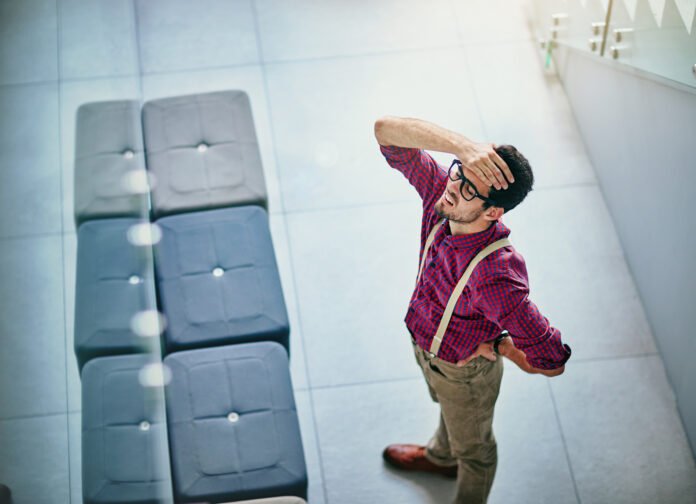
Feeling dizzy when standing up too quickly is a common experience that many people dismiss as harmless. However, when this sensation occurs frequently, it may indicate an underlying issue with how the body regulates blood pressure and circulation. This brief moment of lightheadedness can disrupt balance, increase the risk of falls, and affect daily activities. While occasional dizziness may not be a cause for concern, repeated episodes deserve attention. The condition is often linked to a temporary drop in blood pressure, but other factors such as hydration, medications, and health conditions can also play a role. Understanding why this happens can help you manage symptoms effectively and recognize when medical evaluation is necessary.
Understanding the Topic
Dizziness upon standing is commonly referred to as orthostatic hypotension. It occurs when the body fails to adjust blood pressure quickly enough during a change in posture.
When you move from sitting or lying down to standing, gravity causes blood to pool in the lower part of the body. Normally, the body compensates by increasing heart rate and constricting blood vessels to maintain stable blood pressure. If this response is delayed or inadequate, less blood reaches the brain temporarily, causing dizziness.
How the Body/System Works
The cardiovascular system works closely with the nervous system to regulate blood pressure. When you stand up, sensors in the blood vessels detect the change and send signals to the brain. The brain then instructs the heart to pump faster and blood vessels to tighten.
This process ensures that enough blood reaches the brain to maintain consciousness and balance. However, if this mechanism is impaired—due to dehydration, medication, or nervous system issues—the adjustment may not occur quickly enough.
As a result, there is a brief drop in blood pressure, leading to symptoms such as dizziness or lightheadedness.
Main Causes / Factors
Dehydration
Low fluid levels reduce blood volume, making it harder for the body to maintain blood pressure.
Sudden Postural Changes
Standing up too quickly does not give the body enough time to adjust circulation.
Medications
Certain medications, especially those for blood pressure or heart conditions, can affect regulation.
Prolonged Bed Rest
Extended periods of inactivity can weaken the body’s ability to adjust blood flow.
Nutritional Deficiencies
Low levels of essential nutrients, such as iron, can affect oxygen delivery to the brain.
Medical Conditions Linked
Orthostatic dizziness may be associated with:
- Low blood pressure (hypotension)
- Anemia
- Heart conditions
- Neurological disorders affecting the autonomic nervous system
- Diabetes-related nerve damage
These conditions can interfere with the body’s ability to regulate blood pressure effectively.
Lifestyle and Behavioral Factors
Certain habits can increase the likelihood of dizziness:
- Skipping meals
- Excessive alcohol consumption
- Lack of physical activity
- Poor hydration
- Standing for long periods
Adjusting these behaviors can help reduce symptoms.
Age or Risk Factors
Some individuals are more prone to this condition:
- Older adults due to reduced cardiovascular responsiveness
- Individuals with chronic illnesses
- People taking multiple medications
- Those with low body weight or poor nutrition
Recognizing these risk factors can aid in prevention.
Other Contributing Factors
Additional contributors include:
- Hot environments causing blood vessel dilation
- Stress affecting circulation
- Hormonal changes
- Rapid weight loss
These factors can worsen symptoms, especially when combined.
Symptoms to Watch For
Common symptoms include:
- Lightheadedness when standing
- Blurred vision
- Weakness
- Fainting in severe cases
- Difficulty concentrating
These symptoms typically resolve within a few seconds but may persist in some cases.
When to Seek Medical Help
Medical attention is recommended if:
- Dizziness occurs frequently
- There are episodes of fainting
- Symptoms worsen over time
- There is chest pain or irregular heartbeat
- Daily activities are affected
A healthcare provider may perform tests to identify the cause.
Prevention Tips
To reduce dizziness when standing:
- Rise slowly from sitting or lying positions
- Stay well-hydrated
- Eat balanced meals regularly
- Avoid sudden changes in posture
- Engage in regular physical activity
- Limit alcohol intake
These measures help improve blood pressure regulation.
Treatment Overview
Treatment depends on the underlying cause. Common approaches include:
- Increasing fluid and salt intake (if appropriate)
- Adjusting medications
- Treating underlying medical conditions
- Using compression stockings in some cases
Lifestyle changes often play a key role in managing symptoms.
Conclusion
Dizziness when standing up too quickly is often a result of temporary changes in blood pressure and circulation. While occasional episodes are usually harmless, frequent occurrences may indicate an underlying issue that requires attention. By understanding how the body regulates blood flow and identifying potential triggers, you can take steps to reduce symptoms and improve overall health. Simple adjustments such as staying hydrated, rising slowly, and maintaining a healthy lifestyle can make a significant difference. If symptoms persist or worsen, seeking medical advice ensures proper diagnosis and effective treatment, helping you maintain balance and well-being.