
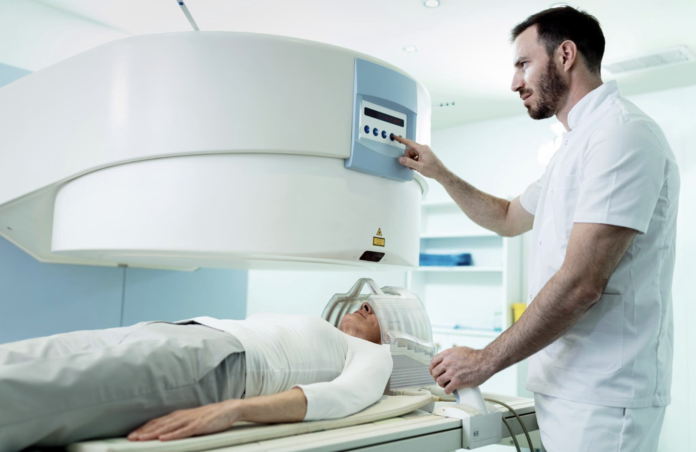
The internal damage from esophageal cancer radiation that most patients are never warned about — and the symptoms that can appear months later.
KEY STATISTICS
- Up to 90% of patients receiving radiation to the chest or esophagus experience some degree of radiation esophagitis during or after treatment, according to the National Cancer Institute.
- Studies published in the International Journal of Radiation Oncology report that late esophageal complications — including stricture and chronic inflammation — can develop 3 to 12 months after radiation therapy ends.
- Research from the National Library of Medicine shows that fewer than half of cancer patients receive adequate counseling about long-term gastrointestinal side effects before treatment begins.
You finished radiation therapy. The hard part was supposed to be over. But weeks or months later, swallowing becomes painful, your chest feels tight, and meals you once loved now feel like a threat.
How Radiation Damages Tissue
Radiation therapy for esophageal cancer works by targeting and destroying cancer cells — but the surrounding healthy tissue absorbs energy too. The esophagus, a narrow muscular tube, is especially vulnerable because it sits directly in the radiation field.
When radiation damages the mucosal lining of the esophagus, it triggers an inflammatory response called radiation esophagitis. In the short term, this causes pain and difficulty swallowing. In the longer term, the tissue can scar, narrow, and lose its natural flexibility.
This scarring process — called fibrosis — can continue silently for months after treatment ends. The body keeps responding to the original radiation injury long after the therapy itself is finished. This is why some patients feel worse six months post-treatment than they did during it.
Why This Age Matters
Adults in their 30s and 40s who are diagnosed with esophageal cancer face a particular challenge: they are often more physically active and working, which means delayed symptoms can be dismissed as stress or fatigue.
Younger adults also tend to receive higher radiation doses because they are considered more physically resilient. That resilience, paradoxically, can mean the tissue damage accumulates over time in ways that emerge later.
Because esophageal cancer is often diagnosed later in its progression, the treatment is frequently aggressive. The combination of high-dose radiation and chemotherapy significantly increases the risk of long-term internal tissue complications.
Warning Signs to Watch
- Progressive difficulty swallowing solid foods, then soft foods, then liquids — a pattern that may indicate esophageal stricture forming months post-treatment
- A persistent burning sensation in the mid-chest that is not relieved by antacids or common reflux remedies
- Unintended weight loss of more than 5% of body weight within a few months of completing radiation therapy
- Food getting stuck or a sensation of food sitting in your chest, which may signal narrowing of the esophageal passage
- Recurring chest infections or pneumonia — a possible sign of aspiration caused by swallowing dysfunction linked to esophageal damage
What Actually Helps
Soft, nutrient-dense foods are one of the most practical tools for managing esophageal discomfort after radiation. Think well-cooked oats, blended soups, mashed vegetables, yogurt, and eggs — foods that pass easily and still deliver protein and calories.
Staying well-hydrated matters more than most patients realize. Water and other thin fluids help keep the esophageal lining lubricated and make swallowing less painful during recovery.
Eating smaller, more frequent meals reduces the mechanical stress on a sensitive or narrowed esophagus. Aim for five to six small meals rather than three large ones. Sit upright for at least 45 minutes after eating to reduce reflux into an already-irritated esophagus.
Acidic and spicy foods, alcohol, carbonated drinks, and very hot beverages should be avoided during this period. They aggravate inflamed tissue and slow the mucosal healing process.
Action Plan Checklist
- Schedule a follow-up appointment with your oncologist or gastroenterologist if swallowing difficulty worsens or persists beyond 4 to 6 weeks post-treatment
- Keep a symptom diary — note when swallowing pain occurs, what foods trigger it, and any weight changes, and bring this log to every medical appointment
- Ask your care team about esophageal dilation, a non-surgical procedure that can gently widen a narrowed esophagus if stricture is confirmed
- Work with a registered dietitian who specializes in oncology nutrition to build a meal plan that maintains your weight and protein intake during recovery
- Do not self-diagnose or self-treat with over-the-counter reflux medications alone — while they may ease discomfort, they do not address structural changes and can mask worsening symptoms
The Silence That Harms
One of the most overlooked factors in post-radiation recovery is the psychological barrier that keeps patients silent. Many people who have survived cancer feel they should simply be grateful — and that reporting new symptoms feels like ingratitude or complaint.
This silence can be medically dangerous. Late esophageal stricture and radiation fibrosis are treatable conditions, but they respond best to early intervention. Waiting too long can make dilation procedures more difficult and nutritional deficiencies more severe.
If you are a caregiver for someone who has completed esophageal cancer treatment, watch for quiet signs — weight loss, reluctance to eat, or changes in how they eat. These can be the first visible clues that internal damage is progressing without the patient saying a word.
Bottom Line
Radiation therapy for esophageal cancer can cause real, ongoing internal tissue damage that does not disappear when treatment ends. The symptoms — difficult swallowing, chest pain, unplanned weight loss — deserve medical attention, not silent endurance. Early intervention makes a measurable difference, so speak up and keep your follow-up appointments.
Always consult a qualified healthcare provider before making changes to your health routine.
Sources
- Radiation Esophagitis: Pathogenesis, Clinical Presentation, and Management — National Library of Medicine — PubMed
- Late Effects of Cancer Treatment on Normal Tissues — National Cancer Institute
- Esophageal Stricture Following Radiation Therapy: Incidence and Risk Factors — International Journal of Radiation Oncology, Biology, Physics
- Nutritional Management in Patients Undergoing Radiation for Head and Neck or Esophageal Cancer — Journal of Clinical Oncology
- Patient Education and Informed Consent for Gastrointestinal Radiation Side Effects — Mayo Clinic Proceedings