
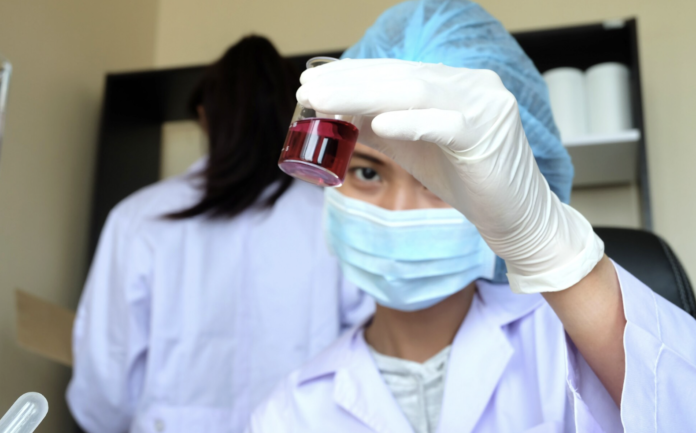
Early lab studies are generating buzz — here is what the science actually says so far.
KEY STATISTICS
- Over 30 peer-reviewed studies published between 2017 and 2023 have examined ivermectin’s potential role in cancer cell biology in laboratory settings.
- A 2021 review in Pharmacological Research identified ivermectin as a candidate compound affecting multiple cancer-related signaling pathways in preclinical models.
- No regulatory body — including the FDA or WHO — has approved ivermectin for cancer treatment or prevention in humans as of 2024.
A medication best known for treating parasitic infections is now appearing in cancer research headlines, and many adults are understandably curious. Ivermectin has shown some genuinely interesting effects in laboratory and animal studies, particularly on tumor cell behavior. But understanding what that actually means for your health requires separating early-stage science from real-world clinical evidence.
What the Research Shows
Ivermectin is an antiparasitic drug approved for human use in conditions like river blindness and scabies. In the past decade, researchers studying its molecular behavior noticed it interacts with several biological pathways that also play roles in cancer cell growth and survival.
Laboratory studies have observed ivermectin influencing processes such as the WNT signaling pathway, P-glycoprotein activity, and mitochondrial function — all of which are areas of active cancer biology research. Some cell culture experiments showed ivermectin appearing to slow the growth of certain cancer cell lines or trigger programmed cell death.
It is important to understand what this type of research actually is. Cell culture and animal studies use controlled conditions that do not replicate the complexity of the human body. A compound behaving one way in a petri dish often behaves very differently — or not at all — once introduced into a living person with a full immune system, metabolism, and existing health conditions.
Why This Matters Now
Adults aged 35 to 45 are in a life stage where cancer screening, prevention conversations, and general health awareness are becoming more relevant. This is also a demographic prone to encountering health headlines on social media that compress nuanced research into oversimplified claims.
The risk in this age group is not ivermectin itself — when used correctly under medical supervision, it has a reasonable safety profile. The real risk is self-prescribing based on preliminary research, delaying evidence-based cancer screening, or substituting unproven approaches for established preventive care.
This decade of life is also when adults often start asking bigger questions about long-term health. That curiosity is valuable, but it needs to be directed toward interventions that have proven benefit in humans — not just in lab models.
Warning Signs to Watch
- You are considering purchasing ivermectin online without a prescription based on social media health claims
- You have read one headline about ivermectin and cancer but have not read the original study or its limitations
- You are delaying recommended cancer screenings while exploring alternative or emerging approaches
- You have a chronic health condition or take regular medication and have not spoken to a doctor about potential drug interactions
- You are interpreting animal or cell-culture study results as directly applicable to human health outcomes
What Actually Helps
The most practical takeaway from emerging ivermectin research is not to rush to a supplement aisle. What it reinforces is that cancer biology is complex, and researchers are actively exploring many avenues — which is encouraging, but not actionable for individuals outside of clinical trial settings.
If you are genuinely interested in supporting cancer prevention through lifestyle, the evidence base is far more developed in other areas. Regular physical activity, maintaining a healthy body weight, limiting alcohol, not smoking, eating a diet rich in fiber and antioxidants, and keeping up with age-appropriate screenings all have substantial human clinical evidence behind them.
For adults who want to stay informed about ivermectin’s research progress, following updates from peer-reviewed journals or trusted medical institutions is the best approach. Clinical trials in humans are the next stage that would begin to answer whether any laboratory findings translate into real therapeutic benefit.
Action Plan Checklist
- Do not self-prescribe ivermectin for any purpose other than a condition your doctor has diagnosed and recommended it for
- Speak with your GP or a specialist if you are curious about emerging cancer research and how it applies to your personal health history
- Stay current with recommended cancer screenings for your age — colonoscopy, skin checks, and relevant blood panels depending on your risk profile
- Follow peer-reviewed sources like the National Cancer Institute or NIH for updates on ivermectin clinical trial progress
- Focus on evidence-backed prevention strategies — diet quality, exercise consistency, sleep, and stress management — rather than waiting for unproven interventions
The Overlooked Research Gap
One factor that often gets overlooked in these conversations is the difference between a drug being studied and a drug being proven. The media cycle around ivermectin — particularly after COVID-19 — created significant noise that made it difficult for the public to assess health claims critically.
Ivermectin does have a legitimate and important role in treating parasitic diseases, particularly in low-income countries where it saves lives. Its safety profile in those approved uses is reasonably well established. But using a drug outside its approved indication — especially without medical supervision — introduces risks that are not fully understood.
Any adult who reads an article about ivermectin and cancer and feels motivated to take action should channel that motivation into a conversation with a qualified healthcare provider. That conversation is far more likely to result in something genuinely useful for their long-term health.
Bottom Line
Ivermectin’s appearance in cancer research is scientifically interesting and worth watching — but it is nowhere near ready to be a personal health strategy. The gap between a promising lab result and a proven human therapy is wide, and many compounds never cross it. Your best investment right now is the prevention work that already has decades of human evidence behind it.
Always consult a qualified healthcare provider before making changes to your health routine.
Sources
- Ivermectin: A Systematic Review of Multitarget Anticancer Properties — Pharmacological Research
- Repurposing Drugs in Oncology: Ivermectin as an Anticancer Agent — European Journal of Cancer
- Ivermectin — Uses, Mechanisms, and Safety Profile in Approved Indications — National Institutes of Health — National Library of Medicine
- Understanding Preclinical Cancer Research: From Cell Studies to Human Trials — National Cancer Institute
- FDA Warning on Ivermectin Use Outside Approved Indications — U.S. Food and Drug Administration